



 acebook
 (bottom of page)

Cadence point?
- Thread starter mhickler
- Start date
-
If you had to do it all again
Evening all. I'm returning to playing the sax after nearly 25 years, used to play alto (played in various bands, gigs in pubs, clubs...- Username
- Replies: 27
-
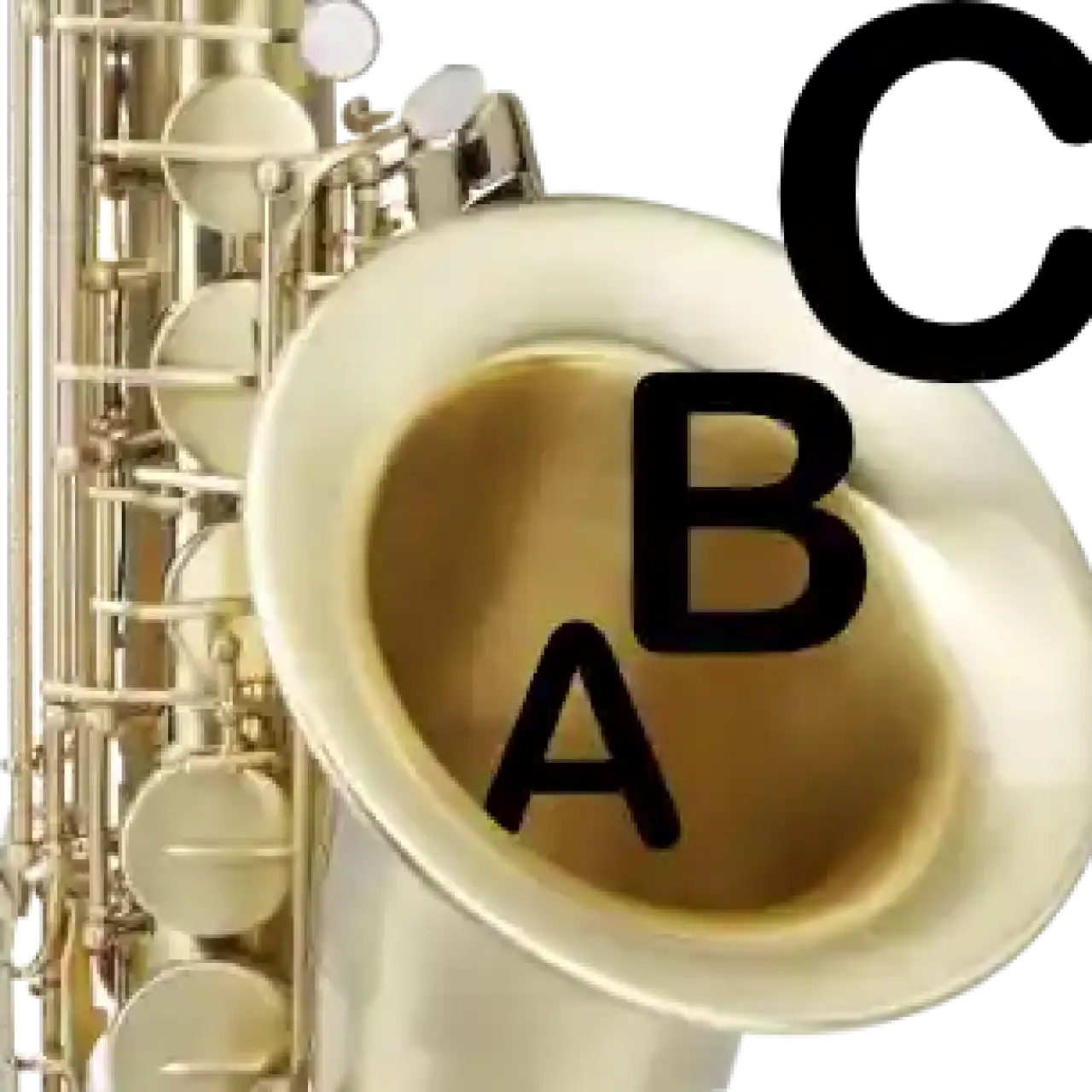
The Alphabet of Tone
The Alphabet of Tone words often encountered when one discusses or expresses an instruments tone.... Bright Warm Rich Dark Lush...- Hassles
- Replies: 71
-

Music for Night Owls
I think these are superb ... It could so easily just be cheesey lounge music ... but ... somehow ... it is a million miles from...- saxplorer
- Replies: 466
-
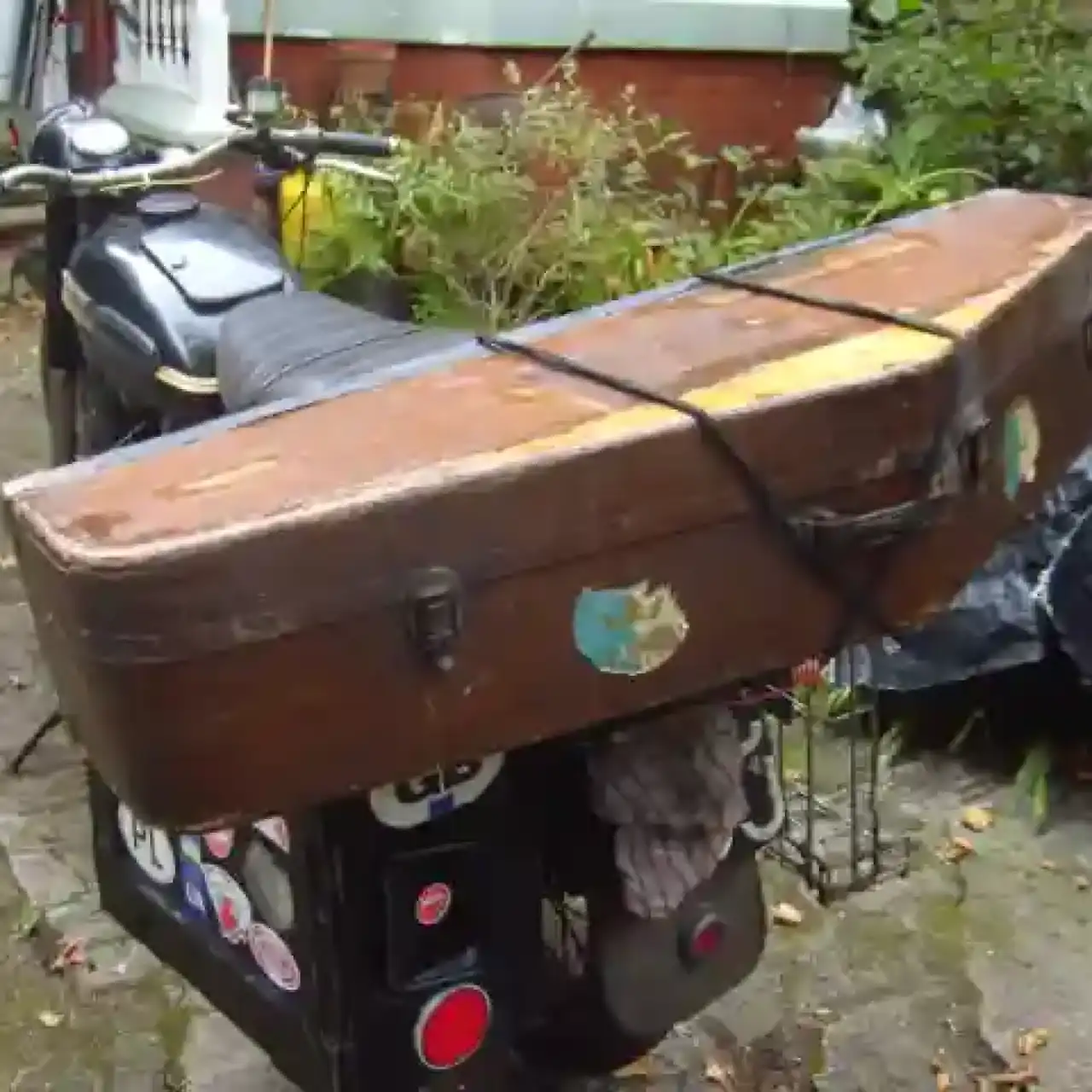
Carrying a tenor on a (motor)bike?
I'm thinking of acquiring a secondhand Suzuki Van Van and learning to ride over the summer, the idea being that it will be fun, and more...- Jay
- Replies: 741
-

Learn to play by ear or by reading music
Several people have expressed an interest in a thread on playing by ear and, after showing off, it would appear that this is my penance...- Taz
- Replies: 1,030
-

Come on now, join the band....(Beginners blog)
Went to my first community band practice tonight and it was great! Only a couple of miles from me (the Saltdean Jazz Band) with weekly...- cappers
- Replies: 380
-
C Melody Saxophones
I've been interested in C Melody saxes, for a while. Apparently, they were quite common in the 1920s-30s, and the general concensus...- Andy Hornblower
- Replies: 706
-
Who sparked your love of Sax music
As an aside to Bobby's "first album' thread... I am curious to know which golden moment made you think "Now there's an instrument I...- jools
- Replies: 627
-

How will Tariffs affect Sax Prices?
Not a political question, of course, and there's no need to discuss the DT But, I've recently been in the market for an alto sax and...- Ivan
- Replies: 465
-
What are you listening to (plus reviews)
I'm listening to Bob Mintzer Big Band - Latin From Manhattan What is you choice this moment in time?- suethesax
- Replies: 2,686
-

Do we really need theory?
I don't disagree that learning to play by listening is important, but it must be accompanied with musical literacy and an understanding...- jbtsax
- Replies: 507
-

The Cafe Trio grown to Octet down to Sextet
Had a very pleasant afternoon in the company of @Jeanette @tenorviol at Ron's abode (thanks for the hospitality) The three of us got...- trimmy
- Replies: 846
-
Tenor Viol's musings
OK. I've thought about doing this for a while - setting up a general thread for me to post in, rather than necessarily creating a...- Tenor Viol
- Replies: 1,943
-
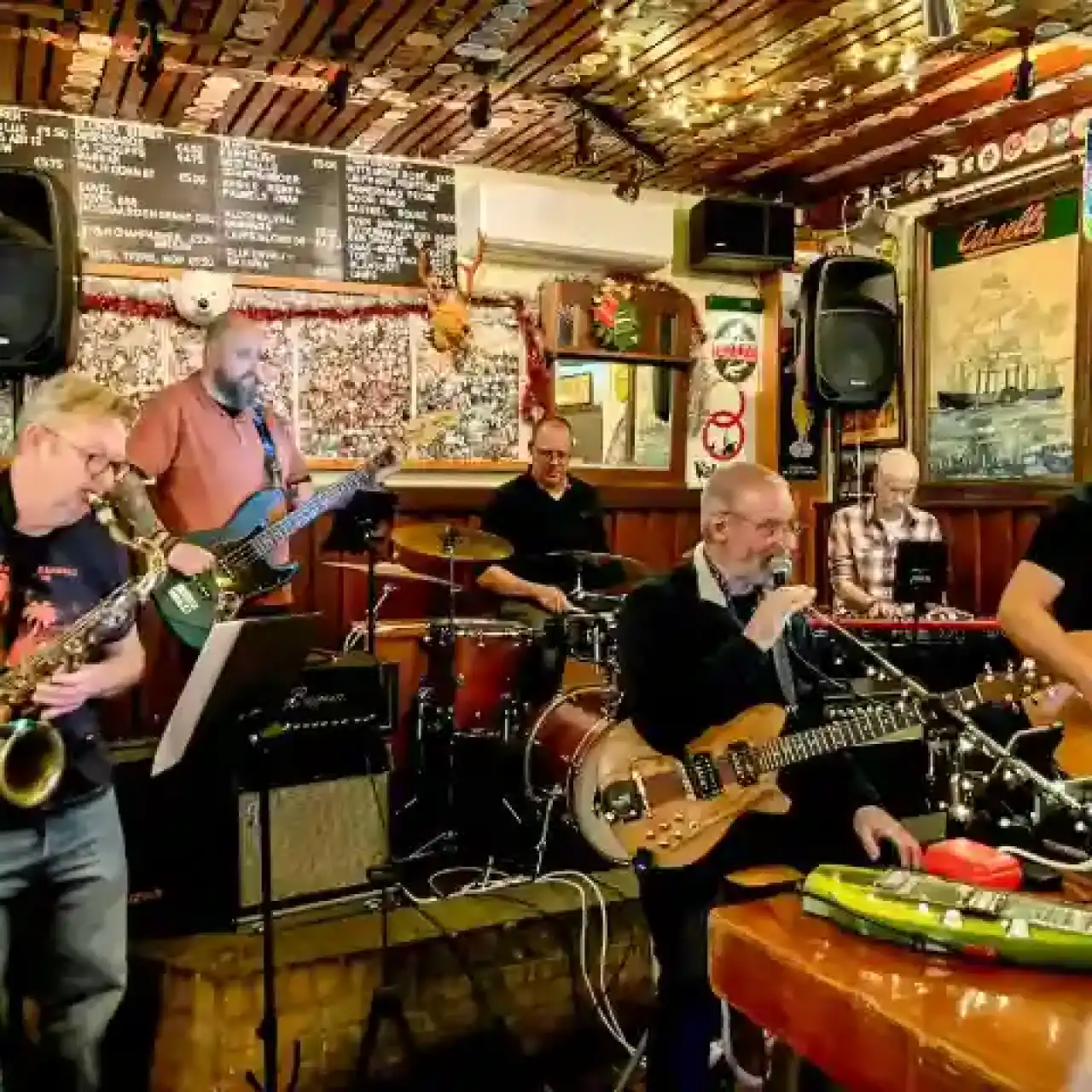
Mike's musings
Inspired by @Tenor Viols musings, I decided to create my own thread. Focused on my new 'journey' from Big Band music into the world of...- MikeMorrell
- Replies: 296
-
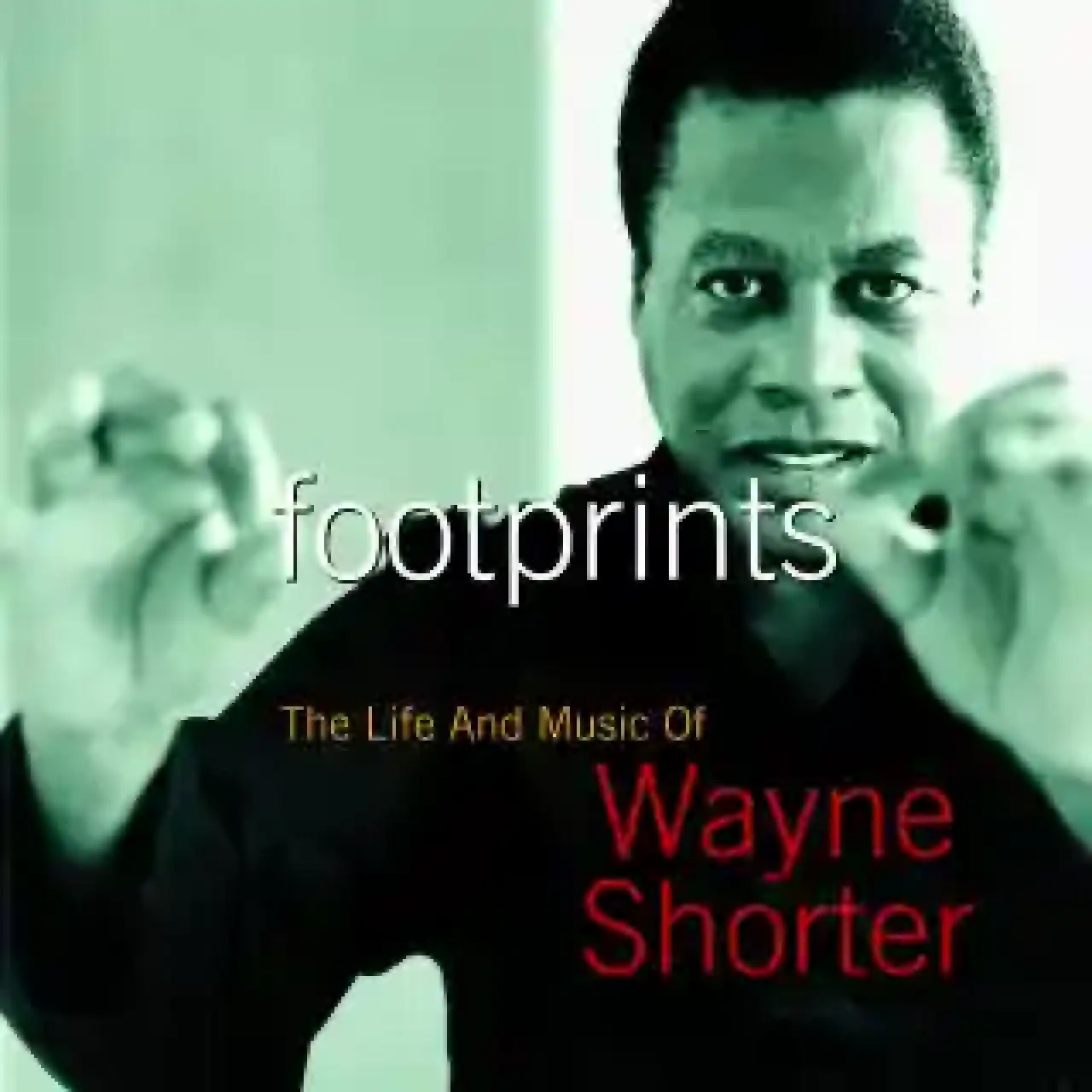
Nov SOTM - Footprints - Wayne Shorter
Hello everyone my turn to be SOTM host again, I've chosen 'Footprints' by Wayne Shorter. I've added lead sheets and backing tracks...- sax panther
- Replies: 11
-
Pork Tales: Saxophone Repair DIY Adventures.
Tales from a pig that likes to stick his nose into everything. Paint that S. How difficult could it be ? 1) Search the net. 2) Find...- PigSquealer
- Replies: 1,250
-

SHWoodwind Updates
It's been a while, but I've just uploaded the following batch of updates: A preview of TJ's new gold lacquered Signtature Custom tenor...- Stephen Howard
- Replies: 798
-
Why are dominant 7th chords called dominant?
I am trying to get my head around chords! I think I understand Major 7th construction: major chord arpeggio 1,3,5 + 7, whereas the...- cappers
- Replies: 168
-

Why top teeth on mouthpiece?
Can anyone tell me why my top teeth need to rest on the mouth piece? I'm sure it sounds better if I don't. i do have a reasonable...- Juju_Birdie
- Replies: 13
-

Half diminished chords - minor 7 flat five (m7b5)
Sorry if this is a dumb question, but I have been looking at a transcription of Art Pepper's Autumn Leaves and see there is a B...- paulhughes
- Replies: 49
-

Maintenance schedule
Hiya I always clean my sax with the pull through and cloth when I finish practicing but I was just wondering is there a simple...- Marge
- Replies: 42
-
Is B# the same note as C?
I would like to check something please, just want to ensure I'm correct. I have a piece in E Major so the key sig has F# C# G# D#. The...- cappers
- Replies: 61
-
Do offset keys and ergos improve speed
Most saxophones are made with offset tone holes on the main stack. It was introduced on the SBA with some other changes as a means to...- Woodpad
- Replies: 61


Similar threads... or are they? Maybe not but they could be worth reading anyway 😀
-
 Saxophones Cadence baritone and John Packer
- Started by Paul Warner
- Replies: 19
-
 Teaching II V I the jazz numbers-introduction to this cadence-Vlog 52
- Started by fabriziodalisera
- Replies: 0
-
 Teaching Describing Cadences (verbally)
- Started by MandyH
- Replies: 14
-
Theory & Impro Plagal cadence confusion
- Started by Jonnysaxc
- Replies: 8
Social

Latest Song of the Month
-
 SOTM November 26 SOTM - Footprints - Wayne Shorter
- Started by sax panther
- Replies: 11
-
-
 SOTM SotM September 2026 - Autumn Leaves
- Started by mrblackbat
- Replies: 27
-

-

-
 SOTM SOTM June 2026 "And You Just Smile" (from ear to ear- training)
- Started by LostCircuits
- Replies: 11
-
 SOTM SOTM May 2026 - Always Remember Us This Way
- Started by MikeMorrell
- Replies: 39
-
 SOTM SOTM April 2026 - Freedom Jazz Dance
- Started by rhysonsax
- Replies: 14
-
SOTM SOTM and PETE (Play by Ear Training Exercise)
- Started by Wade Cornell
- Replies: 16
-
SOTM SOTM Feb 2026 - On Green Dolphin Street
- Started by mrblackbat
- Replies: 44
-
 SOTM SOTM January 2026: Our Love Is Here to Stay
- Started by GCinCT
- Replies: 46
-
SOTM SOTM December 2025: Wexford Carol
- Started by MikeMorrell
- Replies: 37
Member Blogs (currently active)
-
 Saxophones Pork Tales: Saxophone Repair DIY Adventures.
- Started by PigSquealer
- Replies: 1K
-

-
Trending


Popular Discussions
-
 Great Players Who sparked your love of Sax music
- Started by jools
- Replies: 627
-
 Playing the saxophone The Cafe Trio grown to Octet down to Sextet
- Started by trimmy
- Replies: 846
-
 Theory & Impro Do we really need theory?
- Started by jbtsax
- Replies: 507
-
 Saxophones C Melody Saxophones
- Started by Andy Hornblower
- Replies: 706
-
 Saxophones Carrying a tenor on a (motor)bike?
- Started by Jay
- Replies: 741
-
 Saxophones How will Tariffs affect Sax Prices?
- Started by Ivan
- Replies: 465
-

-
 Playing the saxophone Learn to play by ear or by reading music
- Started by Taz
- Replies: 1K
-
 Tech/maintenance My new "DIY" pads...
- Started by DavidUK
- Replies: 393
-
Misc Reviews Yamaha YDS-150 Wind Synth
- Started by Acc6441
- Replies: 301