

 (bottom of page)




CafeSaxophone Forum

A couple of you noticed in my signature that I've now acquired a Yamaha 62 alto in replace of my Hanson SA-8(which I still haven't sold, any offers anyone?). They also requested a bit of a 'review'.
Since I've had it a week or so now and had some proper time with it and had a saxophone lesson with it and so on, I thought I'd review it now as I know it a bit better.
First of all, I bought this second hand at what I feel was a respectable price for it's condition. Which is essentially perfect except for a few bits of lacquer spotting here and there. This is one of the older 62s so has the purple logo which I know a few people have posted about not liking and subsequently removing. I haven't made up my mind yet, but I'm pretty sure it's going to stay as it doesn't actually bother me at all, I think I may even like it 😱
With regard to keywork, I've found it is incredibly light. I could fiddle with the springs a tad and get a bit more weight on it, but it seems to be working lovely at the moment so I won't fiddle just yet. The pearls are nicely sized and rounded, not to deep not too shallow (which I find with the Walstein tenor). I'm most impressed with the bell key arrangement though. It's the best I've ever came across. A it's very light, B it's compact so no huge stretching but best of all is C which is that it only moves a small amount relative to other systems I've used which makes the always tricky low C# to B a breeze!
I think Yamahas are the only instruments to have the front F key in the right place. It comes round under your finger and along the top of the B key which means you can use it in many different ways, such as rolling, sliding or just lifting and replacing. Other front Fs I've came across seem to come from the other side and point out under your finger. I find these are often placed terribly badly and are much harder to roll onto or to slide onto.
The low Eb/C arrangement also has low amounts of movement making that C to Eb move a bit easier than usual.
Build quality wise, it appears to be very sturdy and obviously has been treated with care, no dents or minor dings anywhere and barely a scratch, except around the sling hook area.
The instrument plays bang in tune all the way up and down but hat impresses me the most is the ease that the top and bottom notes pop out. Something that was winding me up with my previous altos. The Hanson has the easiest bottom end I've ever came across but was much stuffier than the Martin alto I had at the top end and needed much more work to get the tonal quality up there because of that. The Yamaha seems to sit in the middle and then just raise the level a bit.
Tone wise, I've noticed it is a bit brighter than the Hanson and a bit thinner than the Martin. This isn't really a bad thing as the Martin was very soft a lyrical, much more suited to ballads than anything else. And the Hanson was pretty average all round but sometimes needed a tad more edge. The Yamaha seems to sit in and blend with other instruments well, yet still cut through when pushed and retains it's depth of sound.
I've used both my Yanagisawa 6 and my Link 6 on it which both sound fantastic. I also used my teachers Claude Lakey 5*3 mouthpiece on it which was fantastic. A wider tip opening and lay and a square chamber on the inside. It was a much 'fuller' sound, but louder too. After a while I could control it better and had a lovely rich rounded sound. I'm now going to get my link refaced to a large tip opening/lay and am going to see what that does. If I like it I'll probably follow suit with the brighter Yanagisawa too.
The case is lovely, though I can't throw it over my back which means I can't cycle to my sax lessons unless I put it in the Hiscox case which is a pain as I don't have another case the Martin fits in. It's very nice to carry though and has a brown appearance which is nice as cases tend to be black.
I played my teachers MK.VI again and did a bit of a comparison. The MK.VI had very similar keywork, except a few keys like the front F and side F# key. No top F# key either. The feel of the keys was heavier, but equally as quick and responsive. I prefer this feel but not quite as much as the MK.VI in question was set-up. I think I'll get the Yamaha serviced even though I could find no leaks and get them to tweak the springs etc. a tad. With regard to the tone, I couldn't really tell much difference. The MK.VI needed less effort to really get into the core of it though, it seemed just easier to make it sound good, though the Yamaha is fantastic in that area as it is more variable than the MK.VI I could also get the Yamaha to play much quieter because of this which kind of balances it out. Over all it compared very well, and if money wasn't an issue I'd be hard p
pushed to decide which one I'd want.
Overall I really like the horn and can see myself keeping it in the future. I still need more time with it to settle down and really get to know it, but so far I haven't found anything off-putting yet.
26 Replies
·
534 views

Saxophones Conn 10m.... Could this be the one?
So guys😊☺️. I ve recently discussed with some of you, possible upgrades to move on from my Arbiter Pro jazz tenor. I almost went to try out a selmer SA80I but decided against it in the end.
Now, whilst I am not in any rush to move on just yet, I think it is definitely on the cards to happen at some point over the coming months. 😉
I was very drawn to a Selmer initially, but have stumbled across some YouTube videos on the Conn 10m.
Having watched a few comparison videos on Selmer mark VI Vs Conn 10m, (not that I was looking at the Mark VI 😳) I immediately noticed how different the tone was between them. The selmer sound much cleaner, crisper, whereas the Conn was a little warmer, fluffier 😳 (is that sacrilege to use fluffy and Conn in the same sentence?.... 🤔😳🤷)
I thought it would be just that one video so I watched a few others and yeah, it was still "fluffy" ☺️ I really liked the "fluffy" sound.
Someone said it was because they were made during the Swing era and so were more "harmonic" and "softer" built for a more acoustic environment and they blended well in a section with the likes of Buescher's. In context, this made so much sense to me.
Someone commented in my last post that perhaps I didn't really know at this stage what direction I wanted to go in looking for a new/old tenor, they were correct, I didn't know. But now I think I do 💡😳🤔
So... If this is a light bulb moment could y'all please enlighten me as to your opinions and experience with the Conn 10m tenor sax.
Is there a particular year or time period that was better than others to look for?
Any faults to look out for?
Are they harder to blow because they are so old?
What's an average price these sell for?
And really any other areas I've not thought about 🤔☺️
112 Replies
·
1888 views
Tech/maintenance I did it! 😂😉🎷
So my neck cork came loose last week and I managed with by being careful when fitting my mp.
But I decided to tackle replacing it once my new corks arrived yesterday.
So, armed with @Stephen Howard Haynes manual i got to work. It was a bit nerve wracking as I haven't done any repairs on my horn before. Give my an angle grinder or stihl saw or road breaker or any construction power tool and I'm away 🤔👷😂
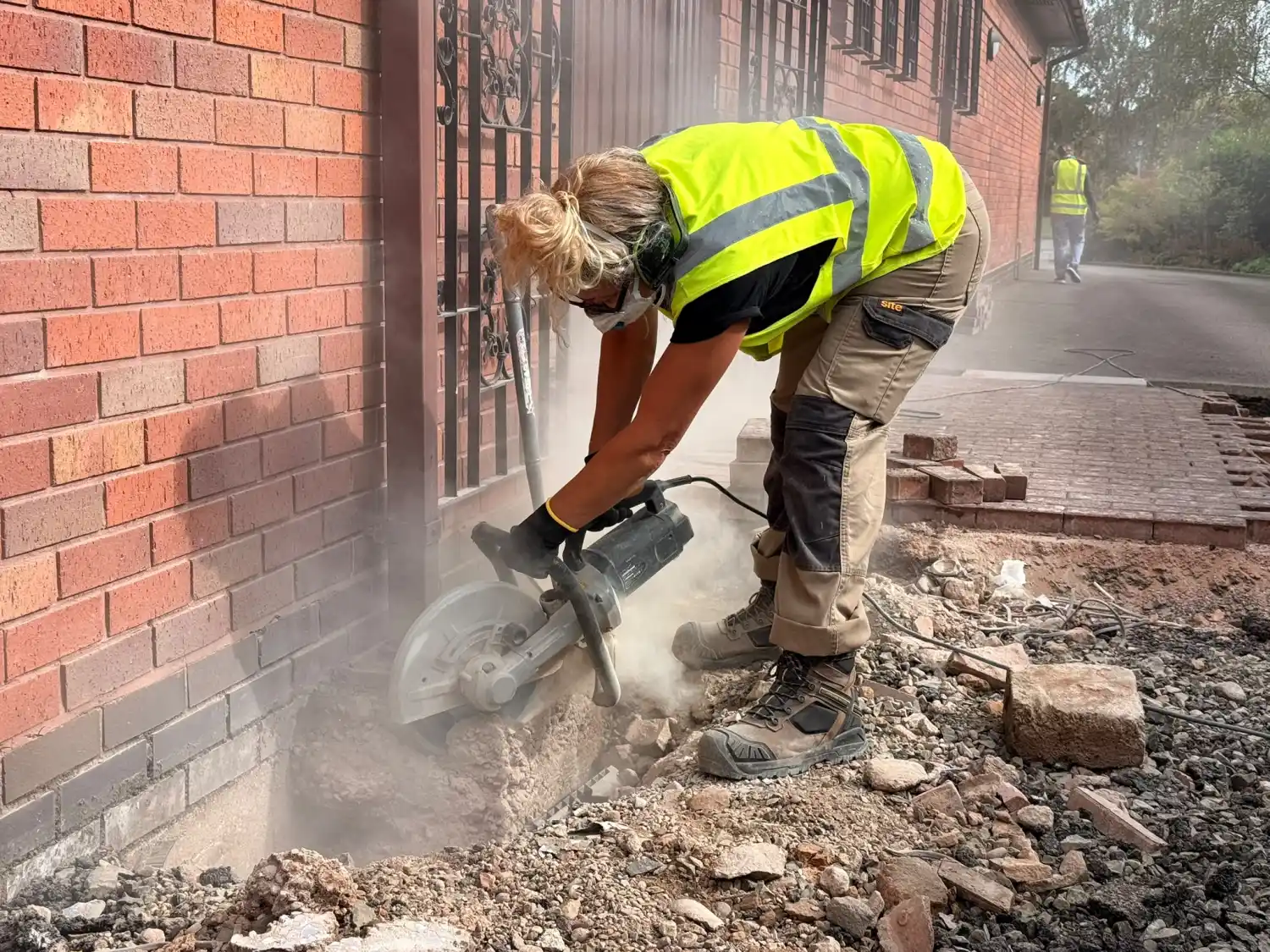
but this was more on the delicate side 😳😂
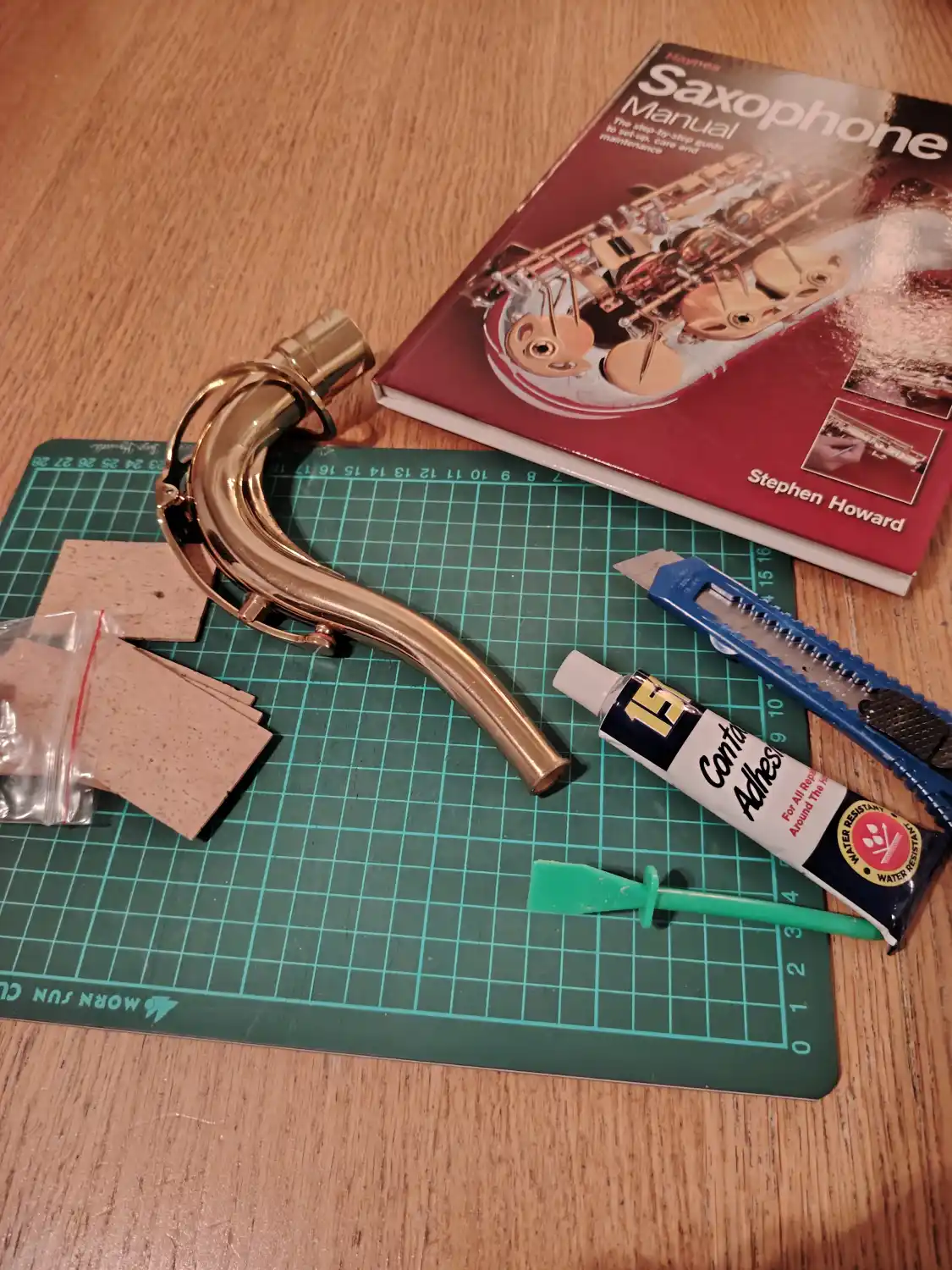
But I decided to tackle replacing it once my new corks arrived yesterday.
So, armed with @Stephen Howard Haynes manual i got to work. It was a bit nerve wracking as I haven't done any repairs on my horn before. Give my an angle grinder or stihl saw or road breaker or any construction power tool and I'm away 🤔👷😂
but this was more on the delicate side 😳😂
25 Replies
·
293 views
Saxophones Pork Tales: Saxophone Repair DIY Adventures.
Tales from a pig that likes to stick his nose into everything.
Paint that S. How difficult could it be ?

1) Search the net.
2) Find the color.
3) Order color.
4) Study task on University of YouTube, aka; For destruction by DYI presented by pro tech.


Do the cleaning & prep.

Paint and cleanup / detail the edges with hard cotton swabs. Sounds easy……

Yeah tha guy Matt makes it look easy.
Anyone remember your first experience cooking bacon crispy while still in the frying pan !
Paint that S. How difficult could it be ?
1) Search the net.
2) Find the color.
3) Order color.
4) Study task on University of YouTube, aka; For destruction by DYI presented by pro tech.
Do the cleaning & prep.
Paint and cleanup / detail the edges with hard cotton swabs. Sounds easy……
Yeah tha guy Matt makes it look easy.
Anyone remember your first experience cooking bacon crispy while still in the frying pan !
1203 Replies
·
67993 views


Dear Forum Members,
I’m very glad to host my first SOTM here in the café. I choose „The Chicken“ from Pee Wee Ellis. I’m shure, most of you know the song from Jaco Pastorius, but there are several other recordings out there.
View: https://www.youtube.com/watch?v=TgntkGc5iBo&list=RDTgntkGc5iBo&start_radio=1
Here are lead sheets in C, Bb and Eb (one document) and some backing tracks (many more on youtube).
Dropbox
For soloing and scale decisions, I found this guitar video helpful, but I personaly think blues most of the time and try to play groovy and in time instead of overthinking the notes too much.
Hoping for many funky contributions!
All the best
Dirk
View: https://www.youtube.com/watch?v=wQZbsadHm2A&t=17s
I’m very glad to host my first SOTM here in the café. I choose „The Chicken“ from Pee Wee Ellis. I’m shure, most of you know the song from Jaco Pastorius, but there are several other recordings out there.
Here are lead sheets in C, Bb and Eb (one document) and some backing tracks (many more on youtube).
Dropbox
For soloing and scale decisions, I found this guitar video helpful, but I personaly think blues most of the time and try to play groovy and in time instead of overthinking the notes too much.
Hoping for many funky contributions!
All the best
Dirk
12 Replies
·
974 views
Blog Mike's musings
Inspired by @Tenor Viols musings, I decided to create my own thread. Focused on my new 'journey' from Big Band music into the world of rock/pop music.. Not only the very different style of music but (for me) also the very different world of amplification, different mpc's, etc,
I
For the 1st 3 weeks, things started off really well! I was enthusiastic and so were the band. I was less enthusiastic on the 4th week when the nominal 'band leader' returned from a vacation, brought a ton of equipment along with him and basically drowned other members out.
During the 4th rehearsal (always on a Saturday), I noticed that my right hand felt a bit 'odd' but OK. That night, the pain in my right hand kept me awake. The day after (following internet advice) , I applied a bandage and ice. My guess is that I injured my hand during a "Fitness Session' the previous Friday. Since then , I haven't been able to play sax🙁. But I have been able to listen to some tracks that I've been asked to play🙂. Not exactly (no-one in the band does) but 'sufficiently recognisable'.
296 Replies
·
21056 views

Cafe Moderator
Café Supporter
Miscellaneous Daily Check In
Good morning,
We thought it might be good to have a thread where you can just come and say hi, tell us what you are doing today, have a moan, share an idea that you wouldn't necessarily start a thread for ( we can always create a new thread from posts here if it became a substantial discussion).
It doesn't have to be sax related🙂
Basically an easy way to connect on a daily basis.
So to kick us off, I am writing this whilst prepping a casserole for the slo cooker as I am playing sax today with café sax and need a quick easy tea when I get home.
I am still suffering with a cough which will impact my playing today and I am worried as we are playing our first care home gig next Sunday!!
Have a lovely Sunday
Jx
2930 Replies
·
91988 views


Saxophones King Tempo
Hey all, there are a few threads on these at the other place but I didn't see one here. Found a listing for a King Tempo bari, I have a message to the seller asking about the serial # (edit: it's 60165, second number 1406) but anyone have a clue to this one's era/condition from the pictures?
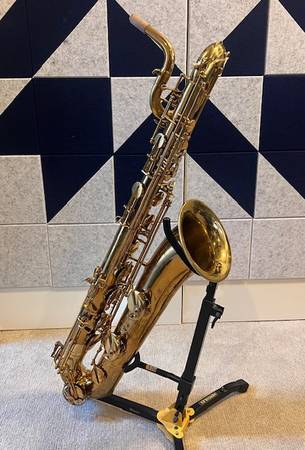
 www.craigslist.org
Baritone saxophone King Tempo, overhauled - musical instruments - by owner - sale - craigslist
King Tempo Baritone Saxophone Famous King craftsmanship with a big, rich baritone sound. Recently professionally overhauled: • Complete cleaning • New pads installed • New springs where needed •...
1 Replies
·
60 views
Saxophones Couturier-Lyon&Healy-Holton
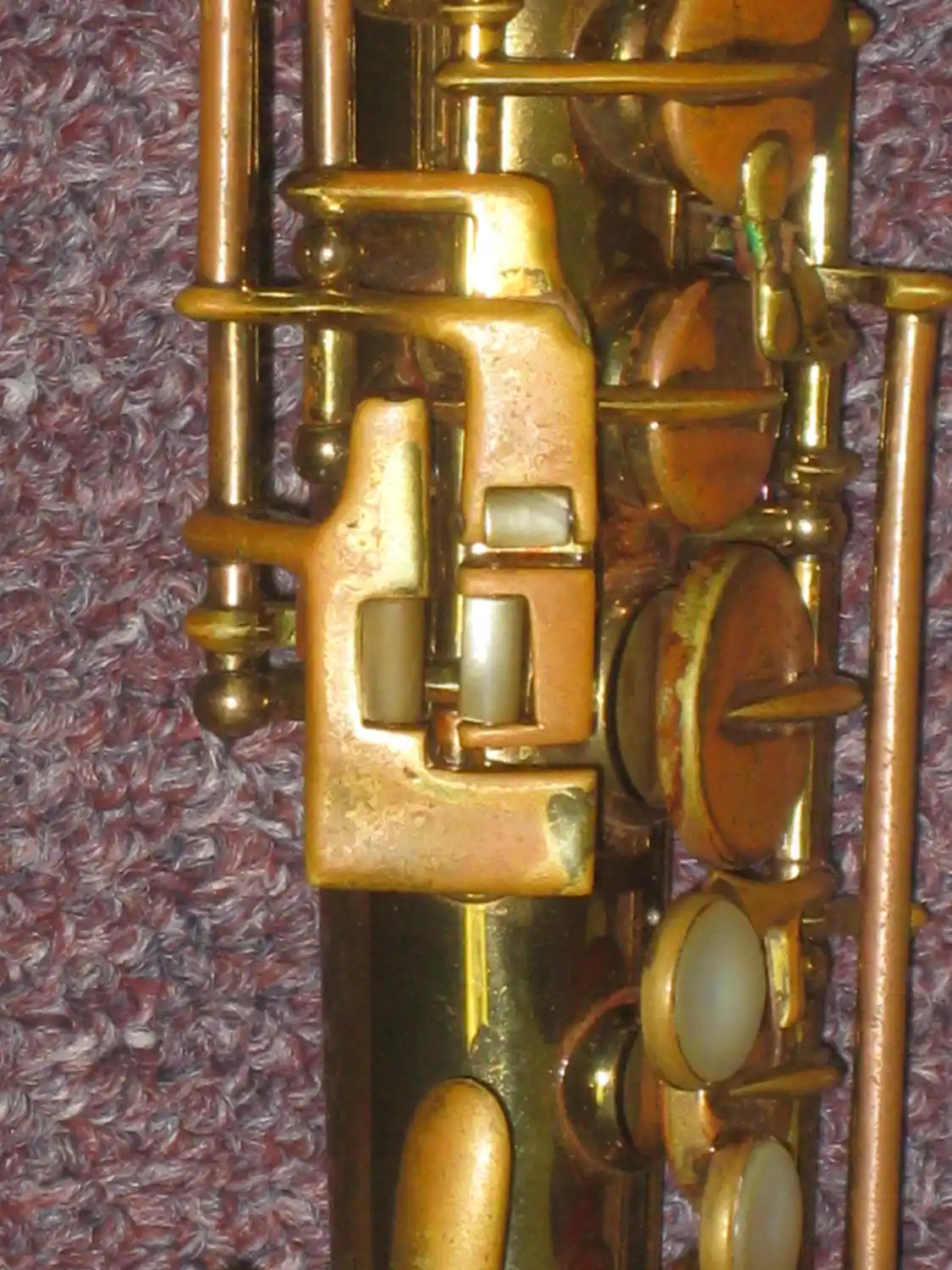
So, in the C melody discussion, and elsewhere, was discussion of the Couturier-Lyon & Healy - Holton path and the related products. I alluded at the time to my Couturier-design Holton Collegiate soprano, so here it is. I have many photos so will probably have to break this into several posts.
Overall view
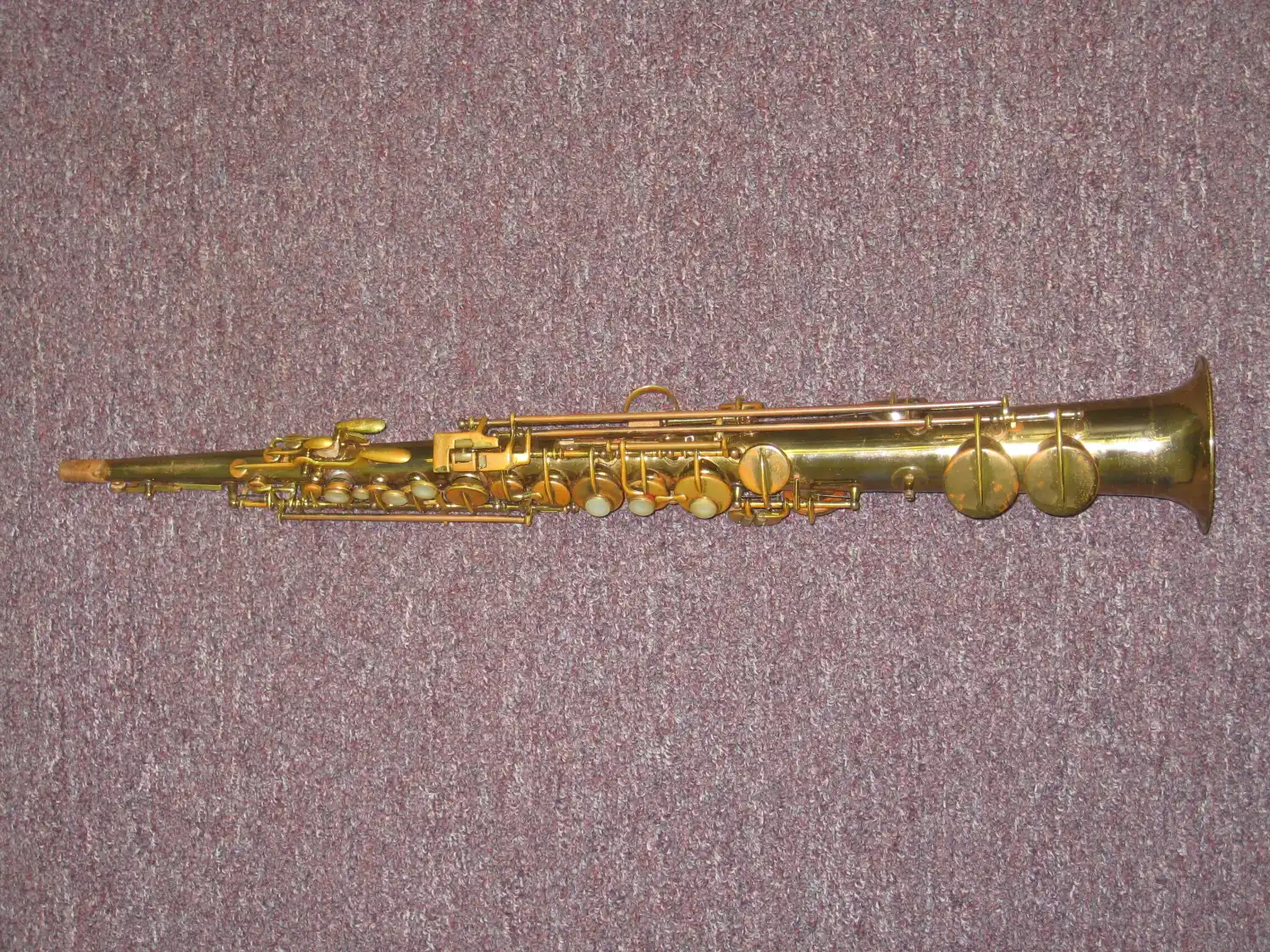
Here is the distinctive LH table, with integrated C# and G#.
Overall view
Here is the distinctive LH table, with integrated C# and G#.
3 Replies
·
75 views

Saxophones What to avoid?
New here, first question?
I'm a tuba player, looking to find a saxophone(s) for occasional doubling. I took a saxophone class when I was in school 20+ years ago. Went very well, really enjoyed it. I play in a group that is frequently short on saxophones and abundant with tubas so I can fill in where needed.
My question isn't what horns should I look for, but what i horns i should avoid. There's always those certain ones that are no good all around.
I'm looking for dirt cheap used instruments. I really like old instruments. I'm very good at repairing things and I work in a machine shop with access to all the toys. Thank you
40 Replies
·
1047 views
Saxophones Selmer no longer supreme!
Okay so I was saddened when I saw this video today and a little shocked but not all that surprised.
View: https://www.youtube.com/watch?v=9PYOU5SgysM
One of my favourite players Eric Alexander has moved to a Chinese brand saxophone. Can I blame him? No as I have done the same and most of my playing buddies have cashed out of the high end French and Japanese horns. They cannot justify the investment on return and these are gigging musicians who say it just doesn't matter!
I just booked a friend and a killer alto player for a gig this past weekend. He now sells insurance, he gave up gigging a few years ago but jumped at the offer of $400.00 for an hour wedding gig. Insurance sales are not paying the bills. He has sold off all his expensive Yamahas and now has Eastern music horns.
How many young players are on Chinese or Taiwan horns these days?
The times they are a changing - sell your VI's because the up and comers won' be lusting after them. 😎
Introducing our newest BetterSax artist, Eric Alexander!
One of my favourite players Eric Alexander has moved to a Chinese brand saxophone. Can I blame him? No as I have done the same and most of my playing buddies have cashed out of the high end French and Japanese horns. They cannot justify the investment on return and these are gigging musicians who say it just doesn't matter!
I just booked a friend and a killer alto player for a gig this past weekend. He now sells insurance, he gave up gigging a few years ago but jumped at the offer of $400.00 for an hour wedding gig. Insurance sales are not paying the bills. He has sold off all his expensive Yamahas and now has Eastern music horns.
How many young players are on Chinese or Taiwan horns these days?
The times they are a changing - sell your VI's because the up and comers won' be lusting after them. 😎
116 Replies
·
3401 views


For those on Facebook, listen to this Irish folk tune medley by Eddie Barbash.
View: https://fb.watch/v/6fc-PYXdq/
His website and YouTube channel are also well worth checking out. Folk, classical, jazz, blues, latin, ... he has (for me) a refreshingly wide repertoire of performances and playing styles.
View: https://fb.watch/v/6fc-PYXdq/
His website and YouTube channel are also well worth checking out. Folk, classical, jazz, blues, latin, ... he has (for me) a refreshingly wide repertoire of performances and playing styles.
0 Replies
·
55 views

Saxophone FS Hanson VIII Alto
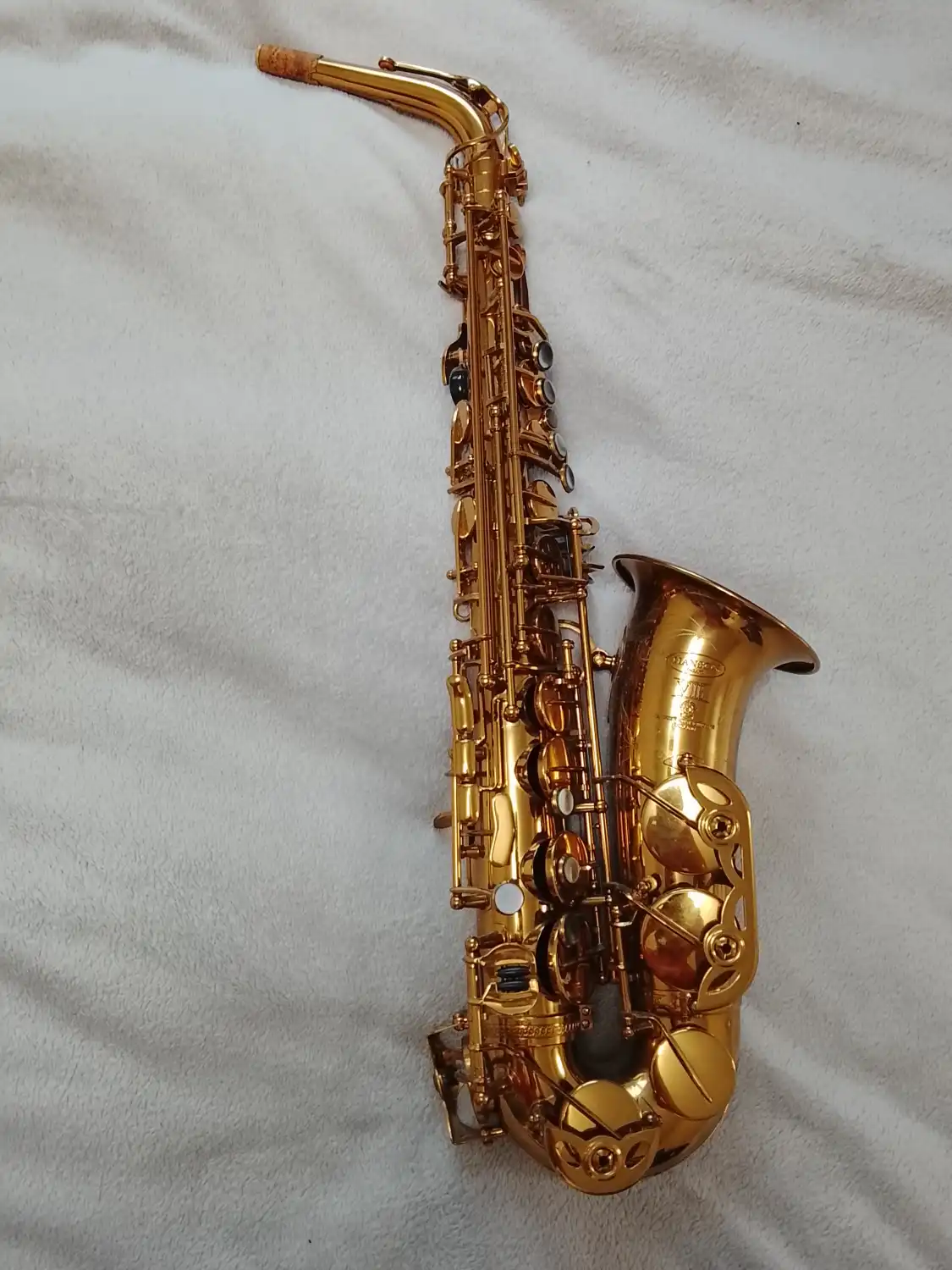
As per thread title, lovely example of Hanson VIII which I bought in 2020, in fantastic condition bar the octave ring being very slightly bent + slightly chipper cork on the neck, otherwise in pristine condition. Plays top to bottom super easily 🙂.
Comes with original case (never used since I also have a hiscox).
Happy to answer any question, provide more photos or let anyone try it in person.
Open to reasonable offers.
Comes with original case (never used since I also have a hiscox).
Happy to answer any question, provide more photos or let anyone try it in person.
Open to reasonable offers.
1 Replies
·
132 views

Miscellaneous Anyone know this company?
😉😉 Evening all.. I have been looking for an alto sax for a pal and have found some interesting Conn altos on the Vintage Sax.co.uk site.. Is there anyone in the cafe had any dealings with them.. Regards. 😉😉
2 Replies
·
144 views

Tech/maintenance Vise Advice
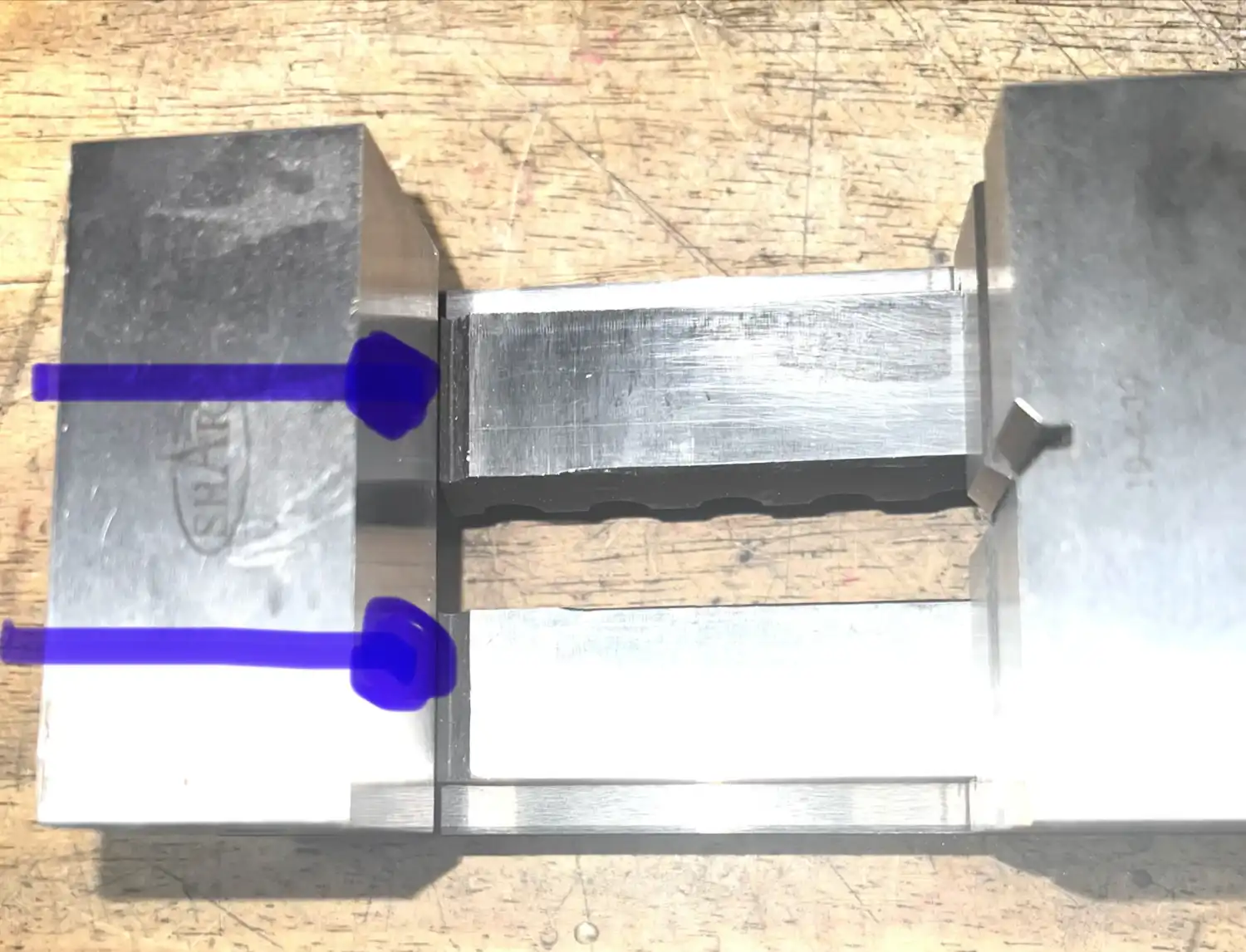
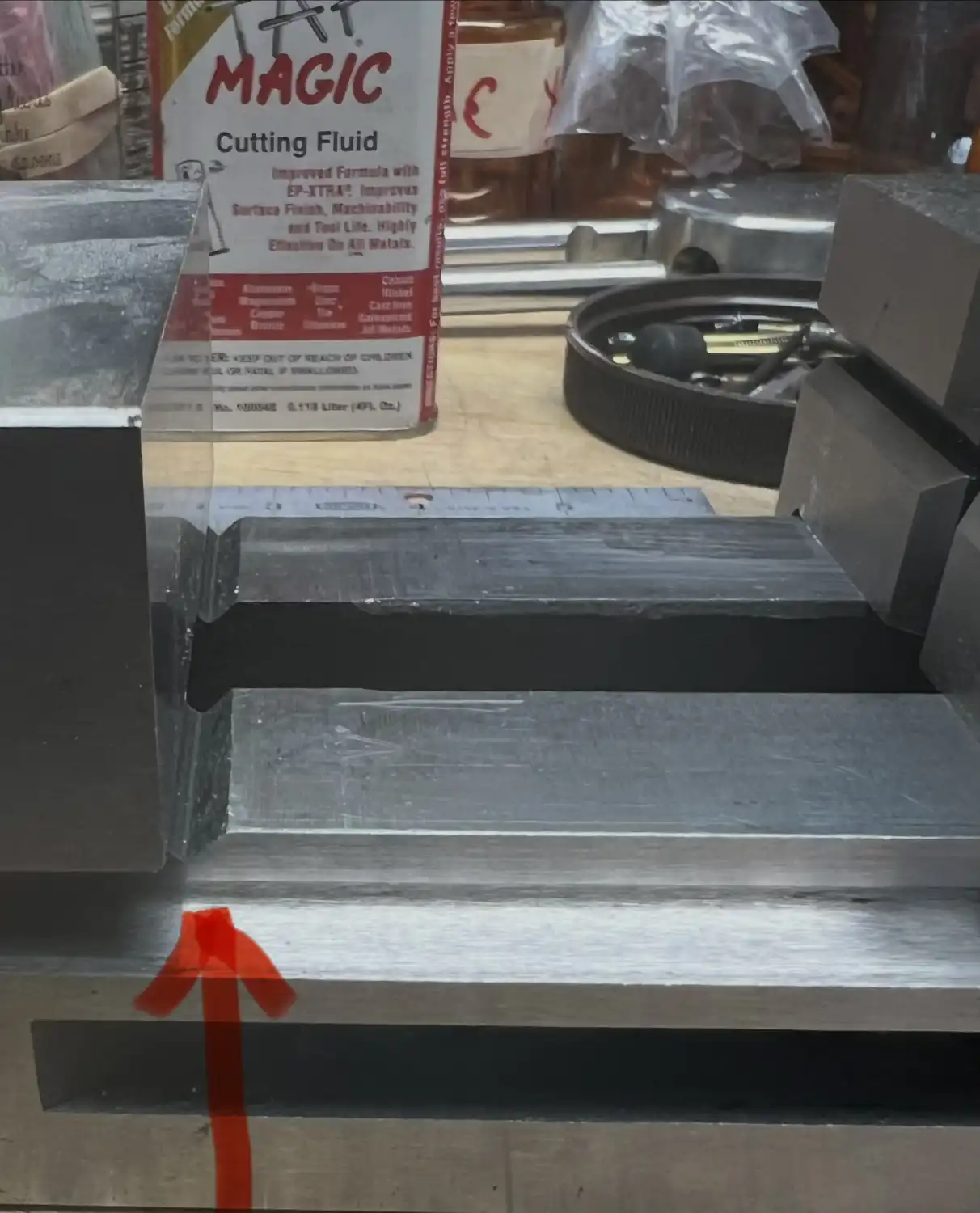
Picture of vise with V notch.
1. Why do some vises have that?
2. Not great for using parallels.
Thoughts for making something to allow use of parallels for milling.
Will be making small mounts for optics and other precision items, like metal bridges for string instruments, motor bike parts/mods, etc etc.
Might drill thru the rear block, from the back, make a metal plate, with counterbores, that is wider than the V notch and bolt it on when necessary.
Thicker parallels are an option, but they are not often used, like a parachute. 🙄
Thx
PP
1. Why do some vises have that?
2. Not great for using parallels.
Thoughts for making something to allow use of parallels for milling.
Will be making small mounts for optics and other precision items, like metal bridges for string instruments, motor bike parts/mods, etc etc.
Might drill thru the rear block, from the back, make a metal plate, with counterbores, that is wider than the V notch and bolt it on when necessary.
Thicker parallels are an option, but they are not often used, like a parachute. 🙄
Thx
PP
9 Replies
·
278 views

Cafe Moderator
Café Supporter
Animals Show us your pets.
I apologise in advance but rest assured the Café is not going to turn into Facebook.
As a competition maybe the photo with the most likes or funnies gets a prize. I can offer a Cebulla or B.Air neck strap, as a prize. Might think of a few more. Or else a book or DVD. Or something else.
As a competition maybe the photo with the most likes or funnies gets a prize. I can offer a Cebulla or B.Air neck strap, as a prize. Might think of a few more. Or else a book or DVD. Or something else.
359 Replies
·
24247 views


Member Blogs (currently active)
-
 Saxophones Pork Tales: Saxophone Repair DIY Adventures.
- Started by PigSquealer
- Replies: 1K
-

-

Trending


Popular Discussions on the Café
-
 Saxophones C Melody Saxophones
- Started by Andy Hornblower
- Replies: 698
-
 Theory & Impro Do we really need theory?
- Started by jbtsax
- Replies: 500
-
 Saxophones Carrying a tenor on a (motor)bike?
- Started by Jay
- Replies: 779
-
 Saxophones How will Tariffs affect Sax Prices?
- Started by Ivan
- Replies: 465
-

-
 Playing the saxophone The Cafe Trio grown to Octet down to Sextet
- Started by trimmy
- Replies: 844
-
 Great Players Who sparked your love of Sax music
- Started by jools
- Replies: 619
-
 Playing the saxophone Learn to play by ear or by reading music
- Started by Taz
- Replies: 1K
-
 Tech/maintenance My new "DIY" pads...
- Started by DavidUK
- Replies: 393
-
Misc Reviews Yamaha YDS-150 Wind Synth
- Started by Acc6441
- Replies: 301
-
 Playing the saxophone Learning to Read v Playing by ear
- Started by BigMartin
- Replies: 505
Featured Classifieds
Latest Song of the Month
-
-
 SOTM SotM September 2026 - Autumn Leaves
- Started by mrblackbat
- Replies: 27
-

-

-
 SOTM SOTM June 2026 "And You Just Smile" (from ear to ear- training)
- Started by LostCircuits
- Replies: 11
-
SOTM SOTM May 2026 - Always Remember Us This Way
- Started by MikeMorrell
- Replies: 39
-
 SOTM SOTM April 2026 - Freedom Jazz Dance
- Started by rhysonsax
- Replies: 14
-
SOTM SOTM and PETE (Play by Ear Training Exercise)
- Started by Wade Cornell
- Replies: 16
-
SOTM SOTM Feb 2026 - On Green Dolphin Street
- Started by mrblackbat
- Replies: 44
-
 SOTM SOTM January 2026: Our Love Is Here to Stay
- Started by GCinCT
- Replies: 46
-
SOTM SOTM December 2025: Wexford Carol
- Started by MikeMorrell
- Replies: 37
-
 SOTM SOTM November 2025 - Red Baron
- Started by sax panther
- Replies: 36