
 (bottom of page)




CafeSaxophone Forum
Hi.
Here is a question of mine (and a reply by the owner of this forum) re-posted here from www.allexperts.com. Maybe you can shed some light on this. - Thanks.
________
Subject poor intonation
Question Hi
I am an experienced player of 10 or more years with hundreds of gigs and recordings under my belt. I regularly play alto, tenor and baritone.
My current tenor sax is a mid sixties beuscher. It was factory sprayed (gold) and therefore has no engraving or model number. A while ago I stopped playing this horn and it sat in a (dry) cupboard for a year or two. I subsequently sold my Otto Link and Brillhart mouthpieces. Recently I have decided to dig it out of storage and am using a cheapy Rico plastic mouthpiece and grade 4 plasticover reeds, which gets me a fine tone, full of body and crisp attack. Until I get to the second octave!.
At the point where the lower octave key gives over to the crook key (from G to A) there is a distinct tonal difference. The G sounds dark and full, whereas the A sounds 'hissy' and thin. The Bflat slightly less so and the B and C progressively less. If I close the crook octave hole, the hiss disappears (I am able to hold the note due to having a developed embouchure).
I need to know if this is a leak issue, a mis-matched set-up, damage to the crook, or any other fairly obvious technical issue, that I have not yet encountered. As a rule, I am pretty good at home-made repair, and can do basic fix-ups, but this one has got me baffled.
I do hope you can help.
Many thanks
Answer
This is obviously tricky to answer without seeing the instrument, but I suspect the problem is with the top octave hole, but could be combined with a saxophone/mouthpiece incompatibility .
I recently tried a baritone and I found almost the same issue. In this case the G was quite stuffy, but the A was thin and sharp, but OK if played without the octave key. A tech suggested that altering (probably enlarging) the diameter (or more drastically) the position of the top octave hole would probably cure the problem.
The interesting thing is that we found with a different mouthpiece, the problem almost disappeared.
I haven't tried a Rico mouthpiece, but have heard from other players that they are very good for the money. I have experienced plenty of mismatched mouthpieces, but usually with older instruments than yours.
If you have access to another mouthpiece it would be worth trying (a standard cheap Yamaha 4C would be a good test model). Also try cleaning out the octave hole, though you are correct in assuming it could also be damage to the crook. If you feel up to drilling out the hole to make it larger that might be interesting, as long as you are aware it might make things worse and you'd have to think of a way to restore it.
Sorry I don't have a cut and dried obvious solution, but I hope that helps. (NB if you post this as a question on my saxophone forum at www.breakfastroom.co.uk, there are one or two very good technicians there who may give some more advice)
5 Replies
·
170 views
Saxophone FS Inderbinen Tenor for Sale
Here's a rarity that is seldom seen for sale. This Swiss handmade instrument is an anomaly in the world of sax manufacturing. It's tone and flexibility of sound is praised and most owners hold on to them knowing that it's also very collectable. My reality is that I just turned 80 and must think about this horn's future on my demise. It shouldn't be left to my wife or an executor here in New Zealand to try and sell. Pictures tell one story and I wish I had the video skills to stitch together a track where I'm playing in two different styles with this horn. I've got the 2 videos with crap sound and you can't hear the template I'm improvising with. I've also got the 2 sound recordings with the template and edited so you can hear this horn's potential. However I couldn't put them together. My apologies. You can just listen to the audio track with the template and then verify it is indeed the Inderbinen that's playing by looking at the video. Lame... I know! The styles are assisted by the first track using an "OK"mellow mouthpiece. The second is a Theo Wanne Shiva 2.
The horn has the original neck and a custom wooden Paraschos neck that looks and sounds great on this horn. The recordings were made with the Paraschos neck.
Price $8,000 USD + shipping. Current price new is over $14,000 USD and around a two year wait time. The Paraschos neck currently sells for $900 USD. This wonderful horn deserves a good home and future!
Pictures:
20260612_145651(1).jpg | Powered by Box
20260612_145729.jpg | Powered by Box
20260612_145825.jpg | Powered by Box
20260612_145847.jpg | Powered by Box
https://app.box.com/s/x5n75fukfi4uaqv7gqafx074mn0krjpm
20260612_145850.jpg | Powered by Box
20260612_145816.jpg | Powered by Box
20260612_145842.jpg | Powered by Box
20260612_145811.jpg | Powered by Box
20260612_145904.jpg | Powered by Box
20260612_145914.jpg | Powered by Box
20260612_150316.jpg | Powered by Box
Inderbinen sound recording 1: Inderbinen demo 1.wav | Powered by Box
Inderbinen sound recording 2: Inderbinen demo 2.wav | Powered by Box
Video 1:
View: https://www.youtube.com/watch?v=YjbNkv0RrdQ
Video 2:
View: https://www.youtube.com/watch?v=K7z8MSFvrxw
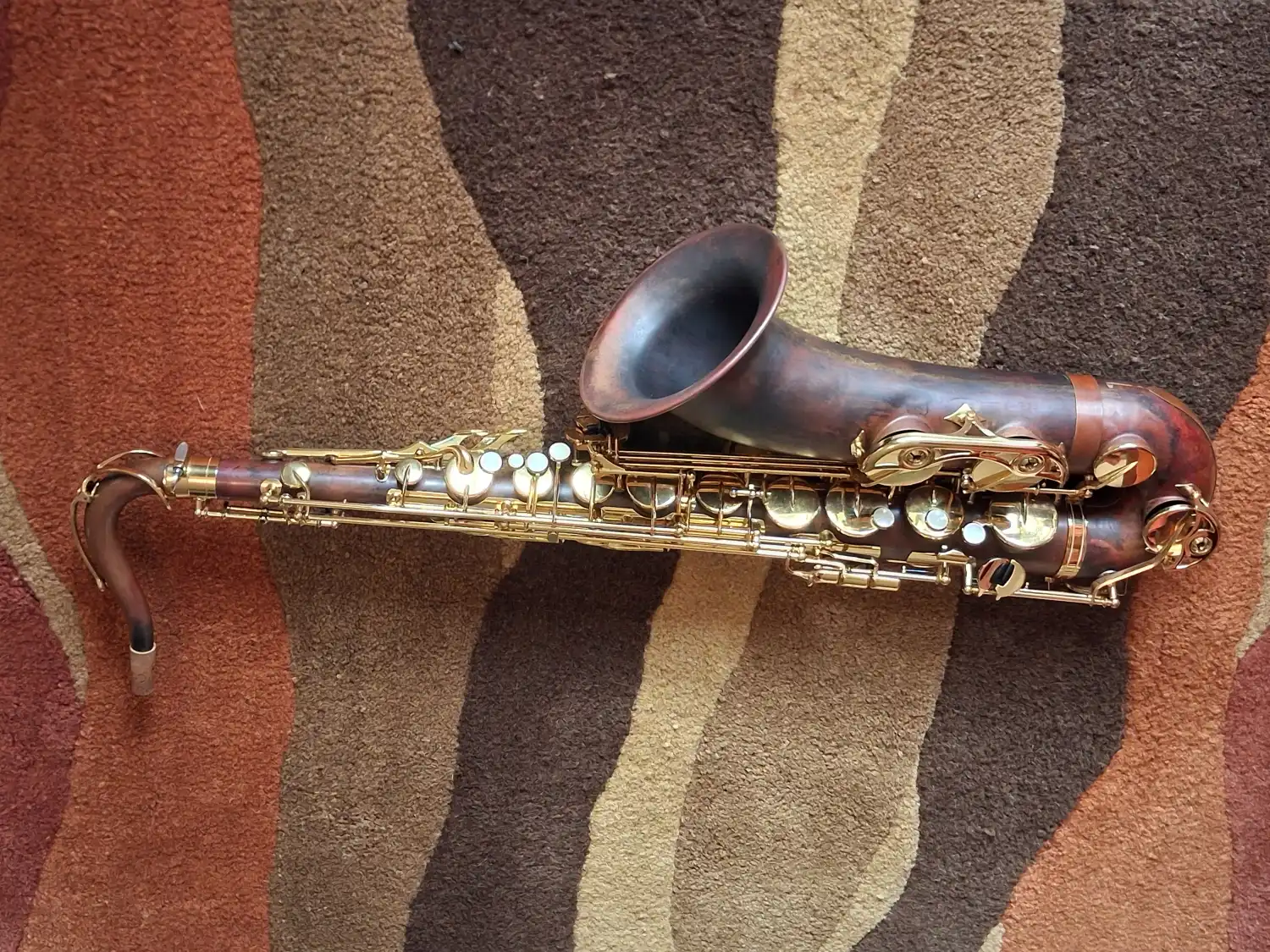
The horn has the original neck and a custom wooden Paraschos neck that looks and sounds great on this horn. The recordings were made with the Paraschos neck.
Price $8,000 USD + shipping. Current price new is over $14,000 USD and around a two year wait time. The Paraschos neck currently sells for $900 USD. This wonderful horn deserves a good home and future!
Pictures:
20260612_145651(1).jpg | Powered by Box
20260612_145729.jpg | Powered by Box
20260612_145825.jpg | Powered by Box
20260612_145847.jpg | Powered by Box
https://app.box.com/s/x5n75fukfi4uaqv7gqafx074mn0krjpm
20260612_145850.jpg | Powered by Box
20260612_145816.jpg | Powered by Box
20260612_145842.jpg | Powered by Box
20260612_145811.jpg | Powered by Box
20260612_145904.jpg | Powered by Box
20260612_145914.jpg | Powered by Box
20260612_150316.jpg | Powered by Box
Inderbinen sound recording 1: Inderbinen demo 1.wav | Powered by Box
Inderbinen sound recording 2: Inderbinen demo 2.wav | Powered by Box
Video 1:
Video 2:
3 Replies
·
686 views
Saxophones Couturier-Lyon&Healy-Holton
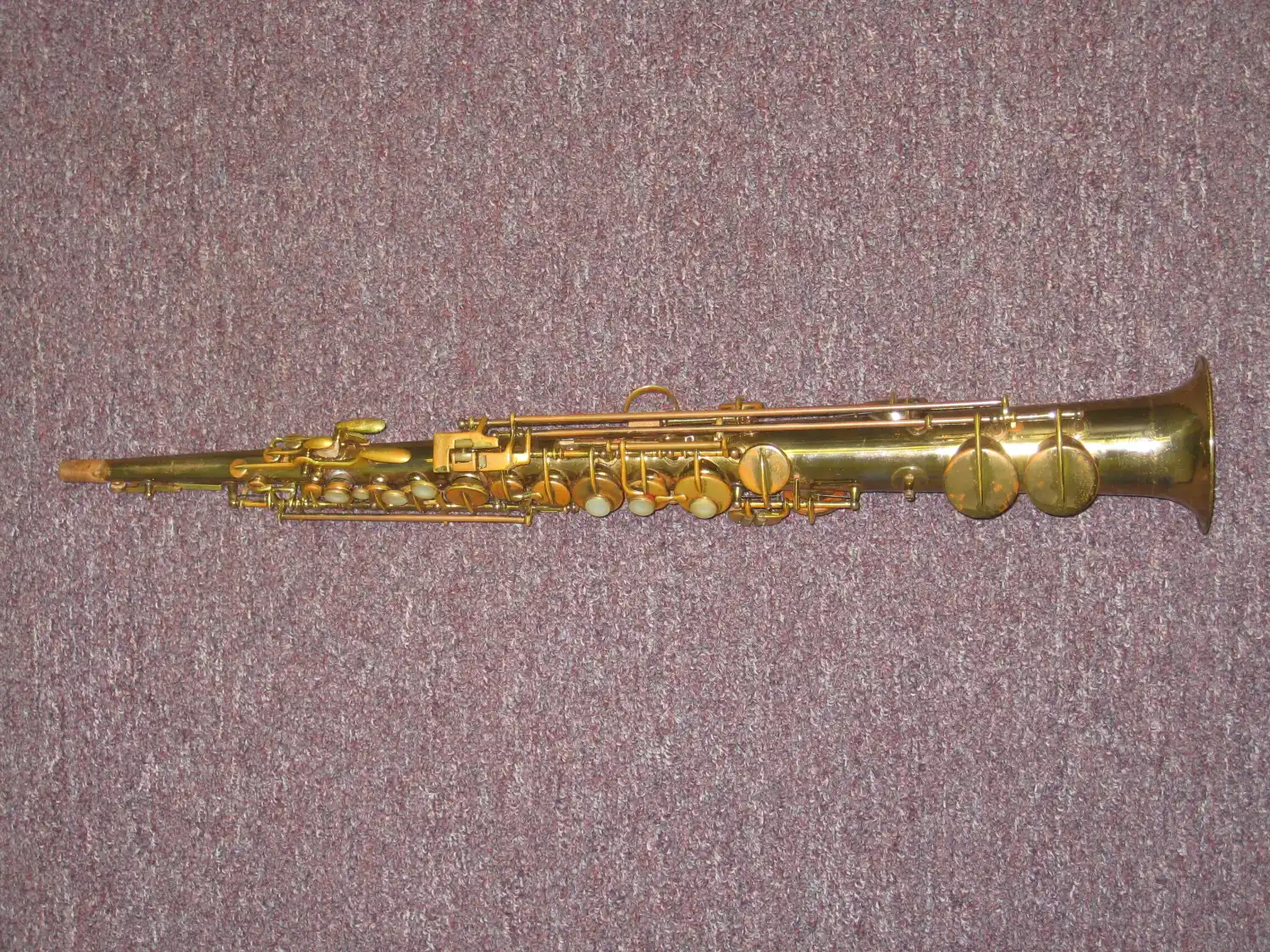
So, in the C melody discussion, and elsewhere, was discussion of the Couturier-Lyon & Healy - Holton path and the related products. I alluded at the time to my Couturier-design Holton Collegiate soprano, so here it is. I have many photos so will probably have to break this into several posts.
Overall view
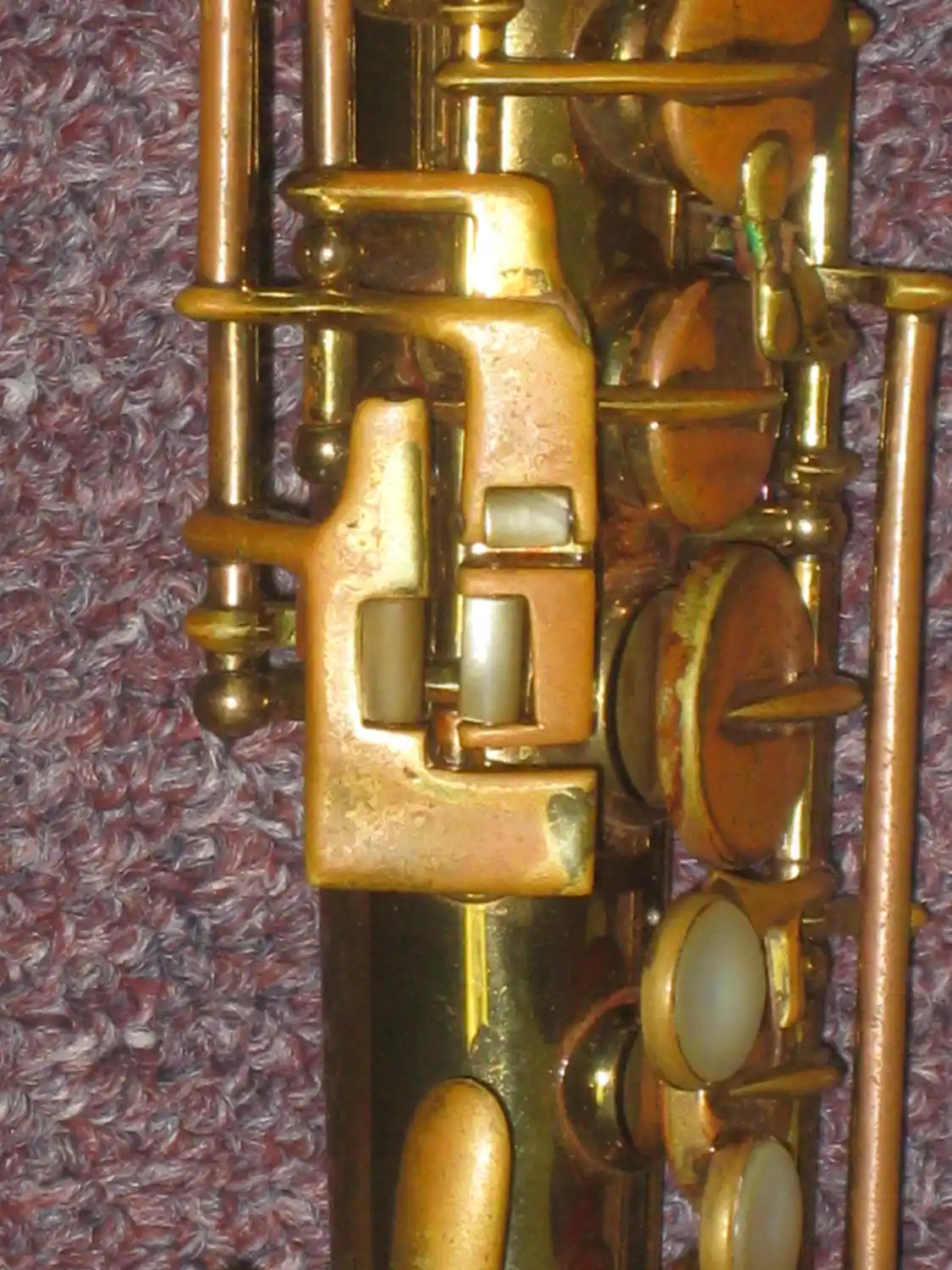
Here is the distinctive LH table, with integrated C# and G#.
Overall view
Here is the distinctive LH table, with integrated C# and G#.
14 Replies
·
137 views

Cafe Moderator
Café Supporter
Miscellaneous Daily Check In
Good morning,
We thought it might be good to have a thread where you can just come and say hi, tell us what you are doing today, have a moan, share an idea that you wouldn't necessarily start a thread for ( we can always create a new thread from posts here if it became a substantial discussion).
It doesn't have to be sax related🙂
Basically an easy way to connect on a daily basis.
So to kick us off, I am writing this whilst prepping a casserole for the slo cooker as I am playing sax today with café sax and need a quick easy tea when I get home.
I am still suffering with a cough which will impact my playing today and I am worried as we are playing our first care home gig next Sunday!!
Have a lovely Sunday
Jx
2935 Replies
·
92077 views


Tech/maintenance I did it! 😂😉🎷
So my neck cork came loose last week and I managed with by being careful when fitting my mp.
But I decided to tackle replacing it once my new corks arrived yesterday.
So, armed with @Stephen Howard Haynes manual i got to work. It was a bit nerve wracking as I haven't done any repairs on my horn before. Give my an angle grinder or stihl saw or road breaker or any construction power tool and I'm away 🤔👷😂
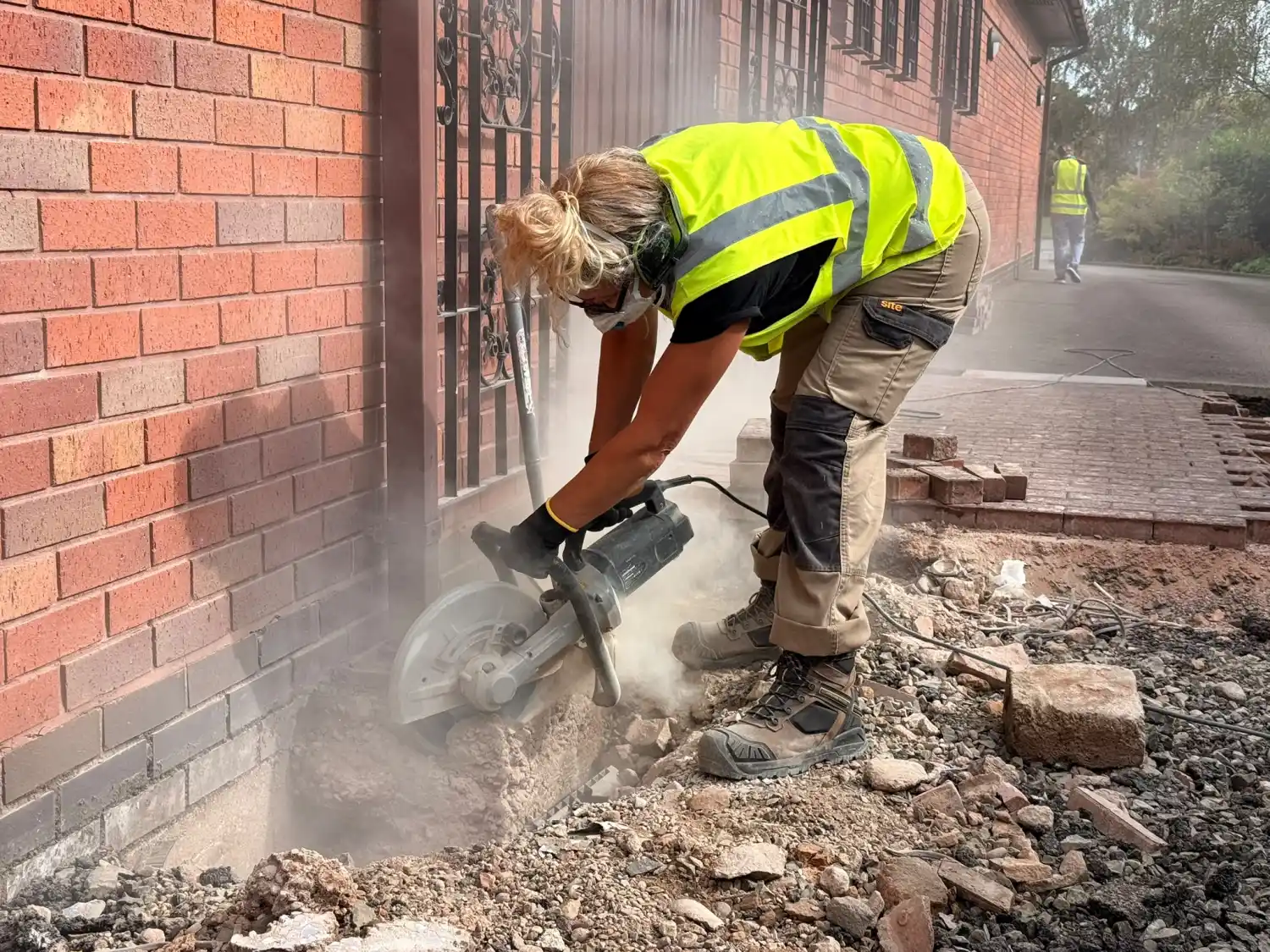
but this was more on the delicate side 😳😂
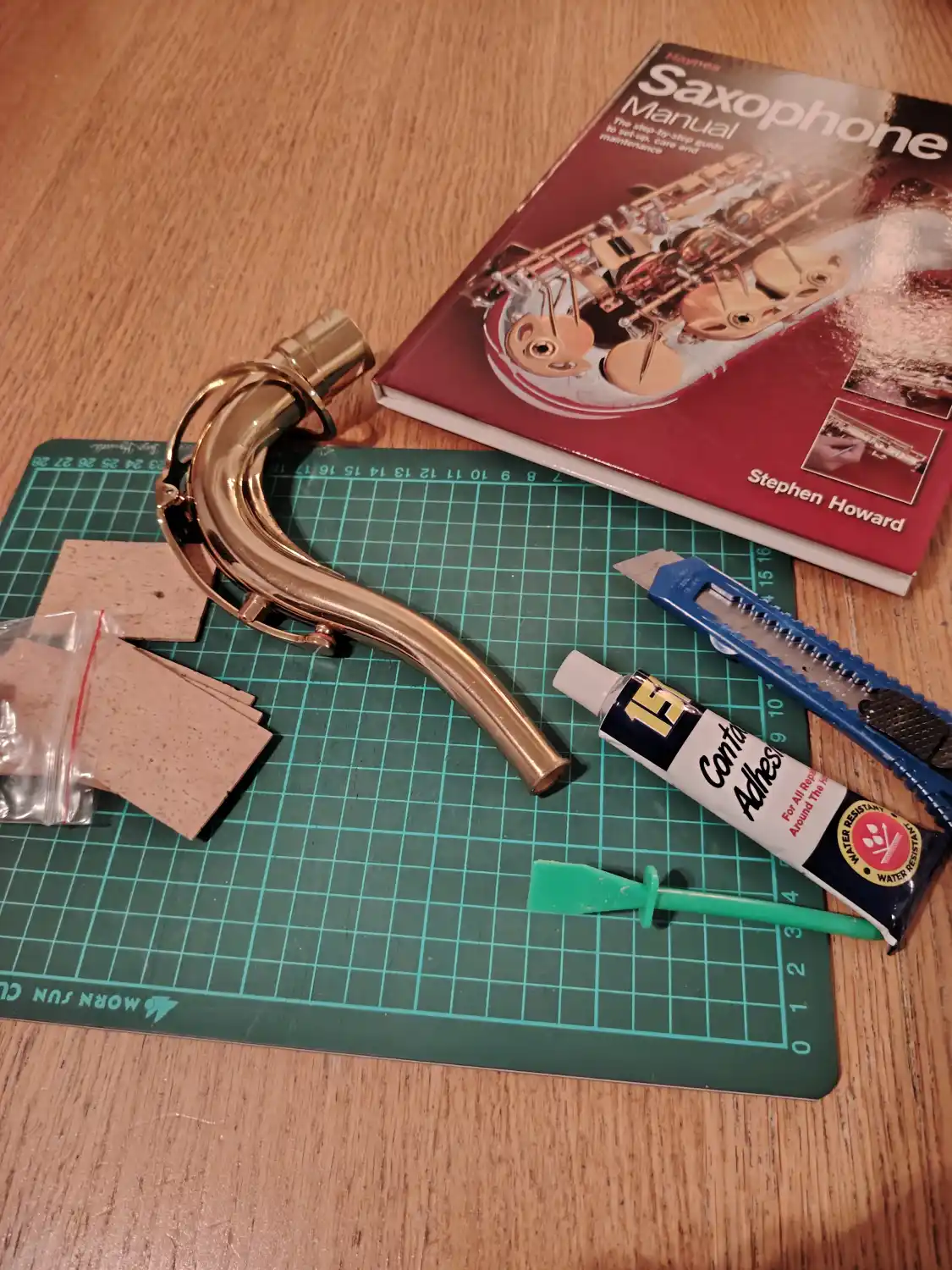
But I decided to tackle replacing it once my new corks arrived yesterday.
So, armed with @Stephen Howard Haynes manual i got to work. It was a bit nerve wracking as I haven't done any repairs on my horn before. Give my an angle grinder or stihl saw or road breaker or any construction power tool and I'm away 🤔👷😂
but this was more on the delicate side 😳😂
33 Replies
·
445 views

0 Replies
·
15 views

Ligatures ligature screw. Top or bottom.
Hi there, newby question. I am using BG single screw , leatherette ligature
on Selmer S80 C*. I have been busy practicing, then all of a sudden i noticed
the position of some ligatures on utube. I always assumed with the BG that
the correct position of screw was on top of the mouthpiece. I rotated the lig
so screw was on the bottom against the reed. It seemed to accomodate the
reed ok and the sound was ok. Any hints much appreciated.
Regards Johnny B.
p.s. I have just ordered a PPT mouthpiece with accompanying lig. Which way
are they positioned ?
19 Replies
·
8913 views

Saxophones King Tempo
Hey all, there are a few threads on these at the other place but I didn't see one here. Found a listing for a King Tempo bari, I have a message to the seller asking about the serial # (edit: it's 60165, second number 1406) but anyone have a clue to this one's era/condition from the pictures?
 www.craigslist.org
Baritone saxophone King Tempo, overhauled - musical instruments - by owner - sale - craigslist
King Tempo Baritone Saxophone Famous King craftsmanship with a big, rich baritone sound. Recently professionally overhauled: • Complete cleaning • New pads installed • New springs where needed •...
3 Replies
·
94 views
Saxophones Conn 10m.... Could this be the one?
So guys😊☺️. I ve recently discussed with some of you, possible upgrades to move on from my Arbiter Pro jazz tenor. I almost went to try out a selmer SA80I but decided against it in the end.
Now, whilst I am not in any rush to move on just yet, I think it is definitely on the cards to happen at some point over the coming months. 😉
I was very drawn to a Selmer initially, but have stumbled across some YouTube videos on the Conn 10m.
Having watched a few comparison videos on Selmer mark VI Vs Conn 10m, (not that I was looking at the Mark VI 😳) I immediately noticed how different the tone was between them. The selmer sound much cleaner, crisper, whereas the Conn was a little warmer, fluffier 😳 (is that sacrilege to use fluffy and Conn in the same sentence?.... 🤔😳🤷)
I thought it would be just that one video so I watched a few others and yeah, it was still "fluffy" ☺️ I really liked the "fluffy" sound.
Someone said it was because they were made during the Swing era and so were more "harmonic" and "softer" built for a more acoustic environment and they blended well in a section with the likes of Buescher's. In context, this made so much sense to me.
Someone commented in my last post that perhaps I didn't really know at this stage what direction I wanted to go in looking for a new/old tenor, they were correct, I didn't know. But now I think I do 💡😳🤔
So... If this is a light bulb moment could y'all please enlighten me as to your opinions and experience with the Conn 10m tenor sax.
Is there a particular year or time period that was better than others to look for?
Any faults to look out for?
Are they harder to blow because they are so old?
What's an average price these sell for?
And really any other areas I've not thought about 🤔☺️
113 Replies
·
2021 views
Saxophones Pork Tales: Saxophone Repair DIY Adventures.
Tales from a pig that likes to stick his nose into everything.
Paint that S. How difficult could it be ?

1) Search the net.
2) Find the color.
3) Order color.
4) Study task on University of YouTube, aka; For destruction by DYI presented by pro tech.


Do the cleaning & prep.

Paint and cleanup / detail the edges with hard cotton swabs. Sounds easy……

Yeah tha guy Matt makes it look easy.
Anyone remember your first experience cooking bacon crispy while still in the frying pan !
Paint that S. How difficult could it be ?
1) Search the net.
2) Find the color.
3) Order color.
4) Study task on University of YouTube, aka; For destruction by DYI presented by pro tech.
Do the cleaning & prep.
Paint and cleanup / detail the edges with hard cotton swabs. Sounds easy……
Yeah tha guy Matt makes it look easy.
Anyone remember your first experience cooking bacon crispy while still in the frying pan !
1203 Replies
·
68089 views


Dear Forum Members,
I’m very glad to host my first SOTM here in the café. I choose „The Chicken“ from Pee Wee Ellis. I’m shure, most of you know the song from Jaco Pastorius, but there are several other recordings out there.
View: https://www.youtube.com/watch?v=TgntkGc5iBo&list=RDTgntkGc5iBo&start_radio=1
Here are lead sheets in C, Bb and Eb (one document) and some backing tracks (many more on youtube).
Dropbox
For soloing and scale decisions, I found this guitar video helpful, but I personaly think blues most of the time and try to play groovy and in time instead of overthinking the notes too much.
Hoping for many funky contributions!
All the best
Dirk
View: https://www.youtube.com/watch?v=wQZbsadHm2A&t=17s
I’m very glad to host my first SOTM here in the café. I choose „The Chicken“ from Pee Wee Ellis. I’m shure, most of you know the song from Jaco Pastorius, but there are several other recordings out there.
Here are lead sheets in C, Bb and Eb (one document) and some backing tracks (many more on youtube).
Dropbox
For soloing and scale decisions, I found this guitar video helpful, but I personaly think blues most of the time and try to play groovy and in time instead of overthinking the notes too much.
Hoping for many funky contributions!
All the best
Dirk
12 Replies
·
1013 views
Blog Mike's musings
Inspired by @Tenor Viols musings, I decided to create my own thread. Focused on my new 'journey' from Big Band music into the world of rock/pop music.. Not only the very different style of music but (for me) also the very different world of amplification, different mpc's, etc,
I
For the 1st 3 weeks, things started off really well! I was enthusiastic and so were the band. I was less enthusiastic on the 4th week when the nominal 'band leader' returned from a vacation, brought a ton of equipment along with him and basically drowned other members out.
During the 4th rehearsal (always on a Saturday), I noticed that my right hand felt a bit 'odd' but OK. That night, the pain in my right hand kept me awake. The day after (following internet advice) , I applied a bandage and ice. My guess is that I injured my hand during a "Fitness Session' the previous Friday. Since then , I haven't been able to play sax🙁. But I have been able to listen to some tracks that I've been asked to play🙂. Not exactly (no-one in the band does) but 'sufficiently recognisable'.
296 Replies
·
21085 views

Saxophones What to avoid?
New here, first question?
I'm a tuba player, looking to find a saxophone(s) for occasional doubling. I took a saxophone class when I was in school 20+ years ago. Went very well, really enjoyed it. I play in a group that is frequently short on saxophones and abundant with tubas so I can fill in where needed.
My question isn't what horns should I look for, but what i horns i should avoid. There's always those certain ones that are no good all around.
I'm looking for dirt cheap used instruments. I really like old instruments. I'm very good at repairing things and I work in a machine shop with access to all the toys. Thank you
40 Replies
·
1080 views
Saxophones Selmer no longer supreme!
Okay so I was saddened when I saw this video today and a little shocked but not all that surprised.
View: https://www.youtube.com/watch?v=9PYOU5SgysM
One of my favourite players Eric Alexander has moved to a Chinese brand saxophone. Can I blame him? No as I have done the same and most of my playing buddies have cashed out of the high end French and Japanese horns. They cannot justify the investment on return and these are gigging musicians who say it just doesn't matter!
I just booked a friend and a killer alto player for a gig this past weekend. He now sells insurance, he gave up gigging a few years ago but jumped at the offer of $400.00 for an hour wedding gig. Insurance sales are not paying the bills. He has sold off all his expensive Yamahas and now has Eastern music horns.
How many young players are on Chinese or Taiwan horns these days?
The times they are a changing - sell your VI's because the up and comers won' be lusting after them. 😎
Introducing our newest BetterSax artist, Eric Alexander!
One of my favourite players Eric Alexander has moved to a Chinese brand saxophone. Can I blame him? No as I have done the same and most of my playing buddies have cashed out of the high end French and Japanese horns. They cannot justify the investment on return and these are gigging musicians who say it just doesn't matter!
I just booked a friend and a killer alto player for a gig this past weekend. He now sells insurance, he gave up gigging a few years ago but jumped at the offer of $400.00 for an hour wedding gig. Insurance sales are not paying the bills. He has sold off all his expensive Yamahas and now has Eastern music horns.
How many young players are on Chinese or Taiwan horns these days?
The times they are a changing - sell your VI's because the up and comers won' be lusting after them. 😎
116 Replies
·
3444 views


For those on Facebook, listen to this Irish folk tune medley by Eddie Barbash.
View: https://fb.watch/v/6fc-PYXdq/
His website and YouTube channel are also well worth checking out. Folk, classical, jazz, blues, latin, ... he has (for me) a refreshingly wide repertoire of performances and playing styles.
View: https://fb.watch/v/6fc-PYXdq/
His website and YouTube channel are also well worth checking out. Folk, classical, jazz, blues, latin, ... he has (for me) a refreshingly wide repertoire of performances and playing styles.
0 Replies
·
61 views

Saxophone FS Hanson VIII Alto
As per thread title, lovely example of Hanson VIII which I bought in 2020, in fantastic condition bar the octave ring being very slightly bent + slightly chipper cork on the neck, otherwise in pristine condition. Plays top to bottom super easily 🙂.
Comes with original case (never used since I also have a hiscox).
Happy to answer any question, provide more photos or let anyone try it in person.
Open to reasonable offers.
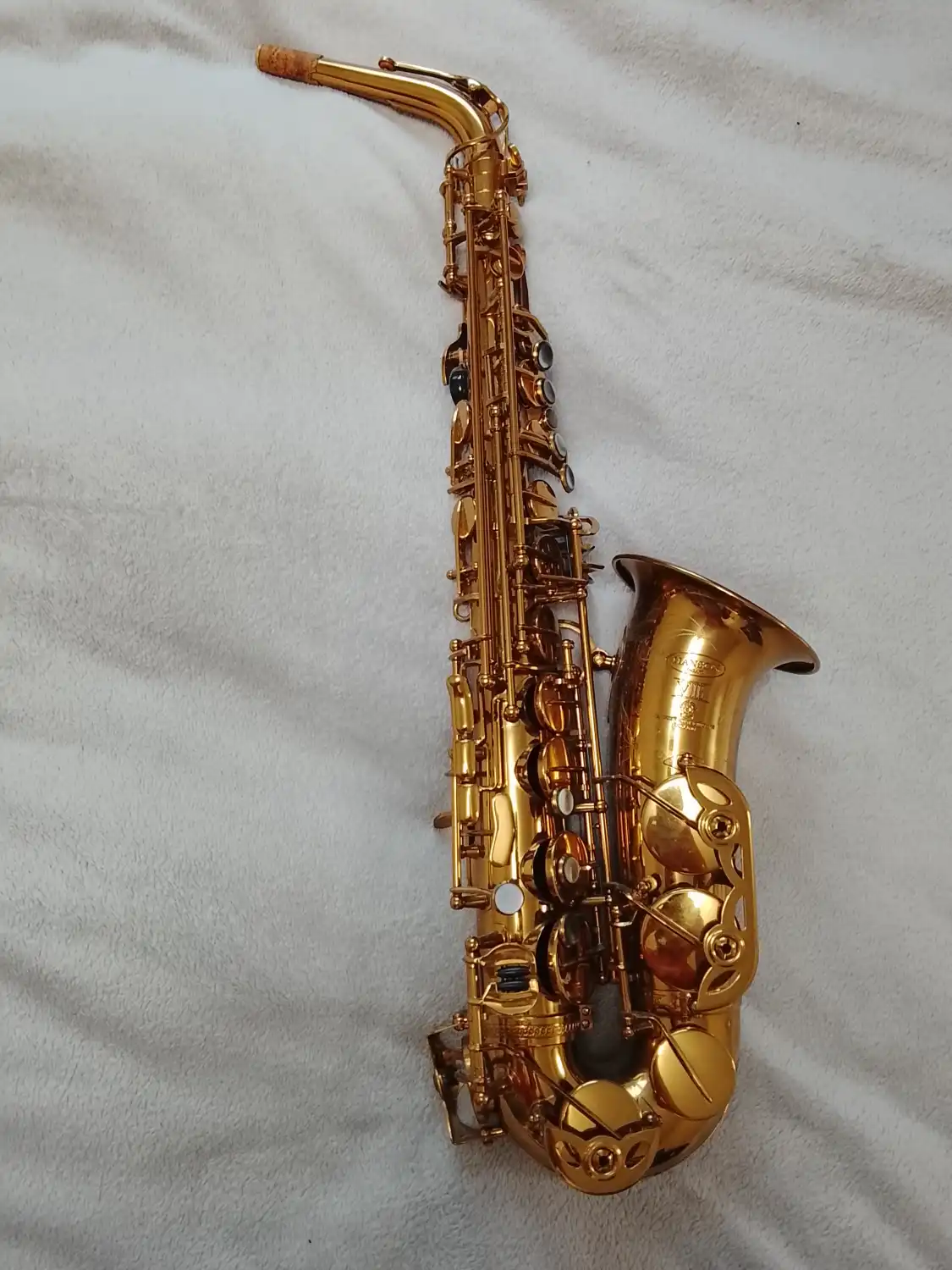
Comes with original case (never used since I also have a hiscox).
Happy to answer any question, provide more photos or let anyone try it in person.
Open to reasonable offers.
1 Replies
·
138 views


Member Blogs (currently active)
-
 Saxophones Pork Tales: Saxophone Repair DIY Adventures.
- Started by PigSquealer
- Replies: 1K
-

-

Trending


Popular Discussions on the Café
-
 Saxophones C Melody Saxophones
- Started by Andy Hornblower
- Replies: 698
-
 Theory & Impro Do we really need theory?
- Started by jbtsax
- Replies: 500
-
 Saxophones Carrying a tenor on a (motor)bike?
- Started by Jay
- Replies: 779
-
 Saxophones How will Tariffs affect Sax Prices?
- Started by Ivan
- Replies: 465
-

-
 Playing the saxophone The Cafe Trio grown to Octet down to Sextet
- Started by trimmy
- Replies: 844
-
 Great Players Who sparked your love of Sax music
- Started by jools
- Replies: 619
-
 Playing the saxophone Learn to play by ear or by reading music
- Started by Taz
- Replies: 1K
-
 Tech/maintenance My new "DIY" pads...
- Started by DavidUK
- Replies: 393
-
Misc Reviews Yamaha YDS-150 Wind Synth
- Started by Acc6441
- Replies: 301
-
 Playing the saxophone Learning to Read v Playing by ear
- Started by BigMartin
- Replies: 505
Featured Classifieds
Latest Song of the Month
-
-
 SOTM SotM September 2026 - Autumn Leaves
- Started by mrblackbat
- Replies: 27
-

-

-
 SOTM SOTM June 2026 "And You Just Smile" (from ear to ear- training)
- Started by LostCircuits
- Replies: 11
-
SOTM SOTM May 2026 - Always Remember Us This Way
- Started by MikeMorrell
- Replies: 39
-
 SOTM SOTM April 2026 - Freedom Jazz Dance
- Started by rhysonsax
- Replies: 14
-
SOTM SOTM and PETE (Play by Ear Training Exercise)
- Started by Wade Cornell
- Replies: 16
-
SOTM SOTM Feb 2026 - On Green Dolphin Street
- Started by mrblackbat
- Replies: 44
-
 SOTM SOTM January 2026: Our Love Is Here to Stay
- Started by GCinCT
- Replies: 46
-
SOTM SOTM December 2025: Wexford Carol
- Started by MikeMorrell
- Replies: 37
-
 SOTM SOTM November 2025 - Red Baron
- Started by sax panther
- Replies: 36