

 (bottom of page)




CafeSaxophone Forum

Saxophones Grassi Saxophones
Foreword
This guide was compiled mostly out of personal curiosity on these saxes and hopefully it will also serve to all those trying to identify the different models produced by this famous Italian manufacturer.
It is somewhat peculiar that although Grassi was one of the largest producers of wind instruments in Italy, very little is known about the company and its products.
There is much confusion around Grassi saxophones and it is easy to understand why:
• There are no known details about its production
• Grassi produced saxophones from the 60s to the 90s with similar model names, however with very different designs
• There seems to be no real chronology to the models
• Different models were produced around the same time which makes mapping models to serial numbers impossible
• Many years after the “Made in Italy” production ceased for good, Proel (an Italian importer of musical instruments and equipment) bought the rights to the I.M. Grassi logo and started producing saxes in the Far East with model names identical to the defunct Italian production.
An easy way to recognise these saxes is to check the logo printed on the bell: it is no hand engraved, but laser engraved and it now shows “Ida Maria Grassi – Italy” instead of the old “Ida Maria Grassi – Made in Italy” logo.
It was my intention to provide some details around the Grassi production (exact production years, rationale behind the models, etc.) and around its history, but so far found very little.
So what follows is simply a guide to recognising the different models produced in Italy. I should also add, that what follows is purely based on mechanical differences and will limit itself only to the Made in Italy production.
It would be very difficult (and maybe unfair) to give my opinion of the qualities of these instruments, as, like any other make, it depends so much on individual samples, their playing conditions, mouthpiece setup, the player, etc.
Like any other make, sound quality can vary whichever the model tested.
All the models contained in this guide have been either spotted on various internet sites, owned by SAXFORUM.IT and Café Saxophone users (a big Thank You!) and the very few owned by myself.
If I have missed any models (like the Concertino!), please get in touch and I’ll add to this document, prior photographic proof!
Please note: I have no financial gain in reporting the info and photos below, it would have been very difficult (if not impossible!) to quote every source. I have removed the last 2 sometimes 3 digits from all the serial numbers quoted to prevent this info being used by Internet scammers, however if you recognise a photo which belongs to your instrument and you feel strongly about it appearing here, please get in touch and I’ll remove it from this document.
Second hand value
I couldn’t give precise indication of the value of any instrument, it depends so much on the condition and playability of the instrument itself.
Prices vary greatly, this year (2011) I have seen them ranging from 150 euros for a “Standard” alto to 1500 euros for a “Prestige” Tenor. I suggest checking a well known online auction site and other online ads to get a rough idea of value.
Stencils
Grassi did produce saxes under other names, mostly for the US market. So far I have found the following to have very striking resemblance to the Grassi instruments: Mogar (unconfirmed), Martin Busine (unconfirmed), Majestic and “La Marque” (the La Marque saxes are Jade Rollers with the “La Marque” logon engraved just above the “I.M. Grassi” logo on the side of the bell).
Serial Numbers
Following is the only known source of serial numbers: this list will allow you to find out when your sax was produced.
The Grassi saxophone production starts in the 1960s with serial number 1000.
From 1000 to 27395 serials produced between 1960 and 1974
From 27395 to 30266 1974 / 1975
From 30267 to 34880 1976
From 34881 to 37478 1977
From 37479 to 39871 1978
From 39872 to 41835 1979
From 41836 to 43836 1980
From 43837 to 45619 1981
From 45620 to 47344 1982
Production and serial numbers become more approximate
From 47345 to 53420 1983 / 84/ 85/ 86
From 53421 to 60885 1987 /88 /89 /90
From 60886 to 65645 1990 /91 /92 /93 /94
At first I tried to keep some chronological order on the models, however I soon realised that production was very erratic: for example the “no name” models (which I will call “Standard” from now on. NB.: this is just a personal definition for the purposes of this document and one which cannot be found engraved on any Grassi sax!) start from the beginning of the saxophone production in the 60s, but they were also produced in parallel with other models until the end of the 70s.
The Models
Standard Mk I
The first model I found is in the 1600 serial numbers: note the old Grassi logo, quite different from the one we know:
This model has a different left hand little finger cluster keys:
Also you will notice that the body to bell brace is a simple ‘L’ shaped rod:
The rest of the keywork will remain unchanged until the 70s.
As far as I know, all Standard models had an engraved bell.
Sequentially, the next model I came across was in the 9000 range: you will now notice that the bell to brace “ring” has replaced the “L” shaped one, the left hand keys remain the same as the model above:
Around the 22000 serial, the bell keys on baritones move from left to the right
hand side of the bell.
Standard MK III and “Jade Rollers”
Up to this serial all models are Standard (or no name, just a serial number engraved) models. There are some minor aesthetic changes, such as the Jade coloured low C/Eb and low B/C#/Bb little finger key rollers (see photo below). Apparently even the pads on these models were in green coloured leather!
The G#/B/Bb/C# little finger cluster has taken a more contemporary shape:
Wonderful Model
The first non Standard model I came across has been the “Wonderful Model” (28900).
This is a very interesting model and it would seem Grassi’s attempt at creating a more sophisticated instrument.
This model sports many mechanical improvements not found in previous Standard models:
• Plastic adjustable thumb hook
• High F# key on request
• F / G# / Bb with adjustable screws
• Bell keys now “balanced” with no linkage between keys and keycups.
This improvement (first seen on the Selmer “Balanced Action” in the 1940s) makes the action of the low notes much lighter and precise.
Another new detail is that of the bell to brace “two point” ring: the ring is no longer directly soldered to the bell.
The photo below on the left shows the “Wonderful” “two point” ring brace, the photo to the right shows the brace on a Standard model:
A nice addition to all the above improvements were the rectangular mother of pearl key touches (as opposed to the more traditional round pearls) offered as an option: this option cost an extra £30,000 Italian Lira in the early 70s!
Above you can see a beautiful example with rectangular key touches, so far I have only come across two such “custom” models (one in England and one in Italy).
[Correction: after finding yet another of these custom keywork saxes on the web, I can only conclude that the rectangular key touches were offered also on the Standard model.]
So an altogether more refined instrument exuding a more “professional” feel, not only in the slickness of the keywork but also in the rich gold lacquer finish.
I believe the “Wonderful” was only produced in alto and tenor.
Stangely, after producing the “Wonderful”, I.M. Grassi will continue to make the Standard model (as well as the Concertino, Professional and Prestige) with none of the technical improvements of the “Wonderful” until the mid 80s.
We will never know why Grassi decided to end the “Wonderful Model” production, maybe it was due to manufacturing costs or maybe the model wasn’t well received.
Concertino, Professional and Prestige
Approximately to serial number 50000, we can find the following models being produced: Standard , “Concertino”, “Professional” and “Prestige” (these last three model names are actually engraved on the sax, below the serial number).
The “Concertino” model was the student model, with bell keys on the left hand side and probably no front F key (unfortunately I have yet to find photos of this model). The “Professional” and “Prestige” look to me to have the same keywork as the Standard models.
The majority of the models above are finished in clear gold lacquer and nickel plated keywork.
Grassi also made an “Export” model (the name Export does not appear engraved on the body) which was entirely silver plated.
“Export” model alto (34000) in silver plate:
Model 2000
After the models mentioned above, Grassi will produce the “Model 2000” (NOT to be confused with the “Professional 2000”!). This is somewhat a transitional model, with most of the characteriscs of the older models but with some updated aesthetic touches, such as the wider more comfortable little finger key touches (the low C/Eb keys are now elongated Selmer SA80 style and no longer round).
Leader , Professional 2000 and Prestige
Around the mid 80s, Ida Maria Grassi revamps the whole production and at last focuses production on three models: “Leader”, “Professional 2000” and “Prestige” (also known as “Prestige 80”)
This last production seems to be the most consistent and finally provides a definitive range of instruments: from student “Leader” to Intermediate “Professional 2000” to professional “Prestige”.
[My personal take on this is that the “Professional 2000” was aimed more at the Jazz/Pop market, whereas the “Prestige” was aimed at the Classical market, so rather than two instruments differing in quality, I would say they provided a choice of sound. Of course, the “Prestige” was the most expensive model.]
Details of features are as follows:
Leader (alto and tenor):
• Range to top F (F# optional),
• Clear lacquer and nickel plated keys.
• Fixed thumb hook
Professional 2000 (Soprano, Alto, Tenor and Baritone):
• Range to top F (F# optional),
• Baritone range to low Bb or low A,
• Clear gold lacquer and nickel plated keys (gold lacquered keys instruments seem more popular for export models, ie outside Italy)
• Plastic, adjustable thumb hook
Prestige (Soprano, Alto and Tenor):
• Range to top F# as standard
Finishes available:
• Gold lacquered body and keys
• Gold lacquered body and silver plated keys
• Silver plated body and neck with gold lacquered keys.
• A German website mentions a gold PLATED 24K model, but I have no proof this finish was available.
• Plastic, adjustable thumb hook
• Low C#/B/Bb touch key linkage (see photo below) for faster fingering of low notes
All three models have “balanced” style bell keys and “Wonderful Model” body to bell “two point” ring brace (see “Wonderful Model” above for details).
These will be the last of the “Made in Italy” production. Production stopped not because of financial failure on I.M. Grassi’s part, but it is thought because of mounting pressure from the Far East on cheaper and comparable products. It is not by accident that of the other three remaining saxophone manufacturers, one stopped saxophone production to concentrate on clarinets and oboes (Orsi) and two stepped up a gear and decided to move away from mass produced products and instead focus on high end professional ranges (Borgani and Rampone & Cazzani).
In conclusion it is a shame that the first Italian (and at the time the best) maker of professional saxophones should no longer be around: their name will always remind me of my first forays into the saxophone world!
Some more serial numbers!
What follows is a list of Grassi I have come across while trawling the net. I initially thought of producing a list which would conclusively show when each model started and ended production, but what I ended up with was only a rough indication of model production around certain serial numbers… still I hope it will be useful for someone!
Alto Standard
1088
Tenor Standard
1690
Tenor Standard
9000
Baritone Standard (left hand bell keys, to low Bb)
22000
Baritone Standard (right hand bell keys, to low Bb)
22200
Jade Roller Tenor (Standard)
27600
Wonderful Model alto
28900
49700 (with F#)
Soprano Standard
29 500
Alto Standard (Silver plated, Export)
34300
Baritone Standard
33700
Jade Roller Alto (Standard)
26300
35800
Tenor Standard
39100
Professional alto
44900
Professional tenor
50400
Model 2000 baritone (to low A)
58324
Model 2000 soprano
60058
Leader alto
63000
65800
Leader Tenor
63376
Professional 2000 Tenor
50600
53900
59300
Professional 2000 Alto
53800
59200
61900
65600
68200
68300
69300
Professional 2000 Bari
62100
Prestige 80 alto
44300
Prestige 80 Tenor
51800
193 Replies
·
79592 views


Tech/maintenance I did it! 😂😉🎷
So my neck cork came loose last week and I managed with by being careful when fitting my mp.
But I decided to tackle replacing it once my new corks arrived yesterday.
So, armed with @Stephen Howard Haynes manual i got to work. It was a bit nerve wracking as I haven't done any repairs on my horn before. Give my an angle grinder or stihl saw or road breaker or any construction power tool and I'm away 🤔👷😂
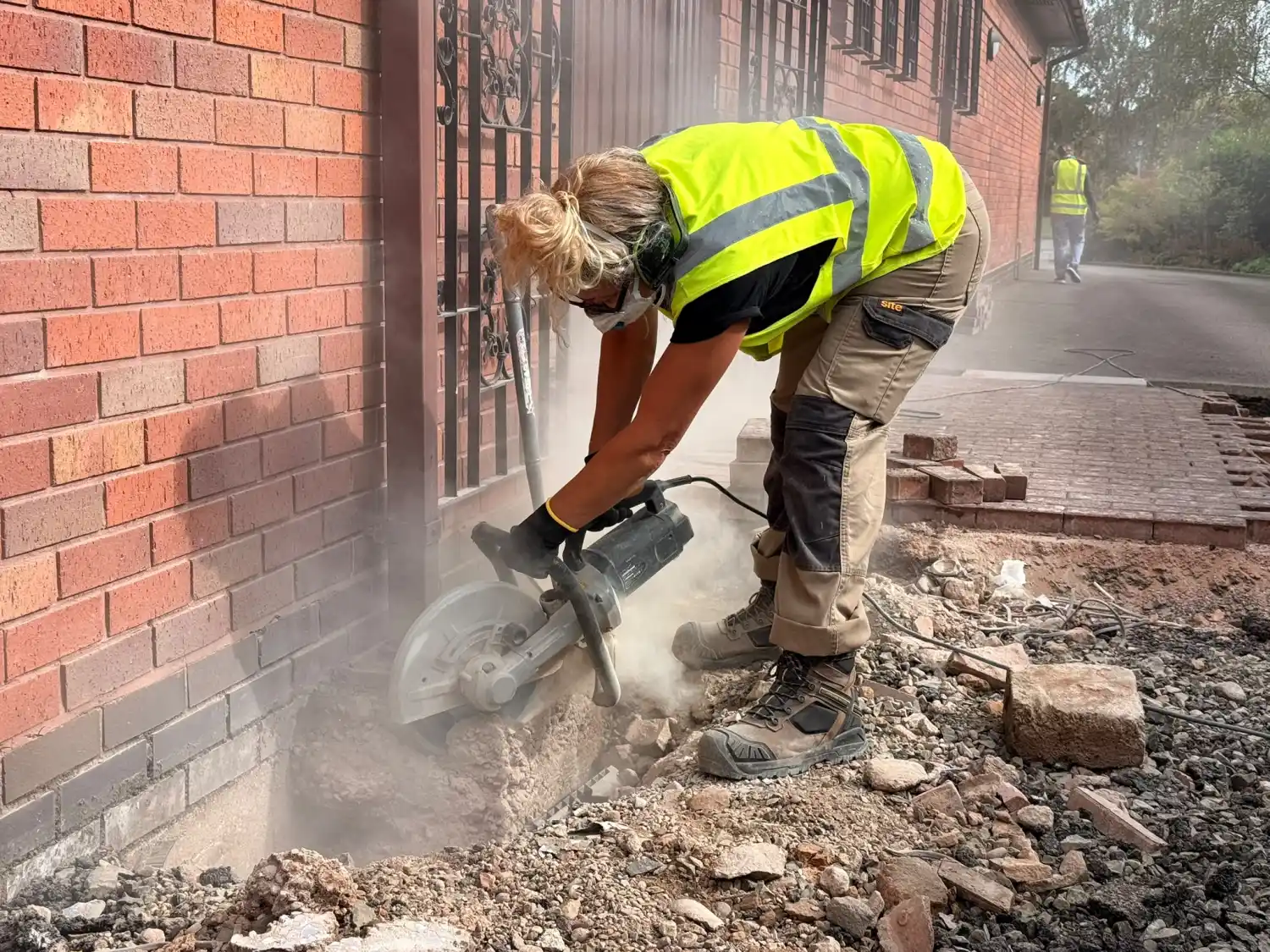
but this was more on the delicate side 😳😂
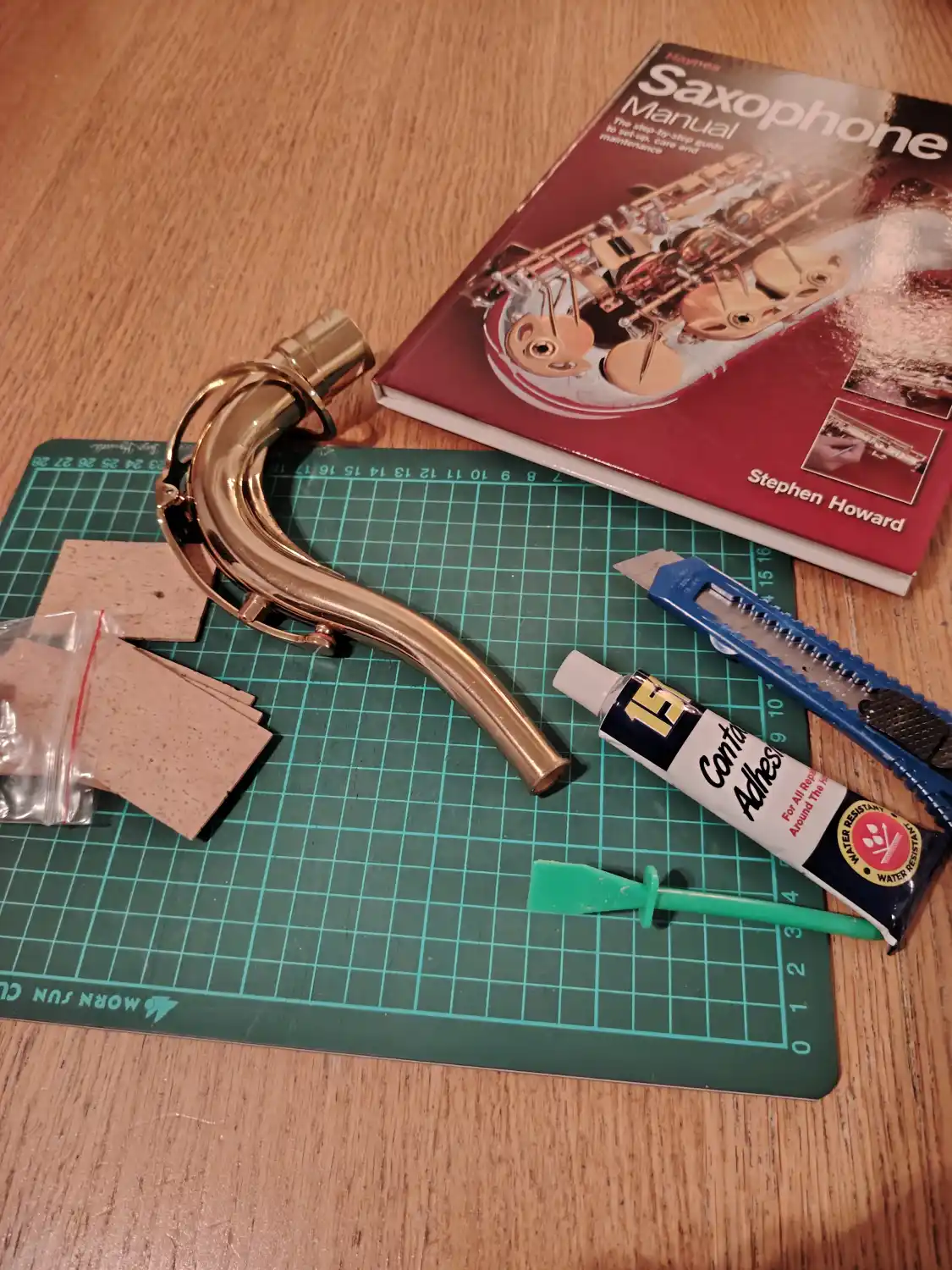
But I decided to tackle replacing it once my new corks arrived yesterday.
So, armed with @Stephen Howard Haynes manual i got to work. It was a bit nerve wracking as I haven't done any repairs on my horn before. Give my an angle grinder or stihl saw or road breaker or any construction power tool and I'm away 🤔👷😂
but this was more on the delicate side 😳😂
16 Replies
·
157 views

Saxophones King Tempo
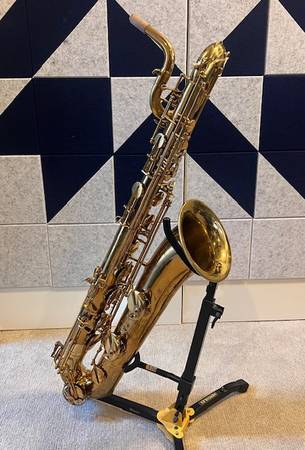
Hey all, there are a few threads on these at the other place but I didn't see one here. Found a listing for a King Tempo bari, I have a message to the seller asking about the serial # (edit: it's 60165, second number 1406) but anyone have a clue to this one's era/condition from the pictures?
 www.craigslist.org
Baritone saxophone King Tempo, overhauled - musical instruments - by owner - sale - craigslist
King Tempo Baritone Saxophone Famous King craftsmanship with a big, rich baritone sound. Recently professionally overhauled: • Complete cleaning • New pads installed • New springs where needed •...
0 Replies
·
28 views
Saxophones Conn 10m.... Could this be the one?
So guys😊☺️. I ve recently discussed with some of you, possible upgrades to move on from my Arbiter Pro jazz tenor. I almost went to try out a selmer SA80I but decided against it in the end.
Now, whilst I am not in any rush to move on just yet, I think it is definitely on the cards to happen at some point over the coming months. 😉
I was very drawn to a Selmer initially, but have stumbled across some YouTube videos on the Conn 10m.
Having watched a few comparison videos on Selmer mark VI Vs Conn 10m, (not that I was looking at the Mark VI 😳) I immediately noticed how different the tone was between them. The selmer sound much cleaner, crisper, whereas the Conn was a little warmer, fluffier 😳 (is that sacrilege to use fluffy and Conn in the same sentence?.... 🤔😳🤷)
I thought it would be just that one video so I watched a few others and yeah, it was still "fluffy" ☺️ I really liked the "fluffy" sound.
Someone said it was because they were made during the Swing era and so were more "harmonic" and "softer" built for a more acoustic environment and they blended well in a section with the likes of Buescher's. In context, this made so much sense to me.
Someone commented in my last post that perhaps I didn't really know at this stage what direction I wanted to go in looking for a new/old tenor, they were correct, I didn't know. But now I think I do 💡😳🤔
So... If this is a light bulb moment could y'all please enlighten me as to your opinions and experience with the Conn 10m tenor sax.
Is there a particular year or time period that was better than others to look for?
Any faults to look out for?
Are they harder to blow because they are so old?
What's an average price these sell for?
And really any other areas I've not thought about 🤔☺️
110 Replies
·
1840 views

Saxophones What to avoid?
New here, first question?
I'm a tuba player, looking to find a saxophone(s) for occasional doubling. I took a saxophone class when I was in school 20+ years ago. Went very well, really enjoyed it. I play in a group that is frequently short on saxophones and abundant with tubas so I can fill in where needed.
My question isn't what horns should I look for, but what i horns i should avoid. There's always those certain ones that are no good all around.
I'm looking for dirt cheap used instruments. I really like old instruments. I'm very good at repairing things and I work in a machine shop with access to all the toys. Thank you
40 Replies
·
1004 views
Saxophones Selmer no longer supreme!
Okay so I was saddened when I saw this video today and a little shocked but not all that surprised.
View: https://www.youtube.com/watch?v=9PYOU5SgysM
One of my favourite players Eric Alexander has moved to a Chinese brand saxophone. Can I blame him? No as I have done the same and most of my playing buddies have cashed out of the high end French and Japanese horns. They cannot justify the investment on return and these are gigging musicians who say it just doesn't matter!
I just booked a friend and a killer alto player for a gig this past weekend. He now sells insurance, he gave up gigging a few years ago but jumped at the offer of $400.00 for an hour wedding gig. Insurance sales are not paying the bills. He has sold off all his expensive Yamahas and now has Eastern music horns.
How many young players are on Chinese or Taiwan horns these days?
The times they are a changing - sell your VI's because the up and comers won' be lusting after them. 😎
Introducing our newest BetterSax artist, Eric Alexander!
One of my favourite players Eric Alexander has moved to a Chinese brand saxophone. Can I blame him? No as I have done the same and most of my playing buddies have cashed out of the high end French and Japanese horns. They cannot justify the investment on return and these are gigging musicians who say it just doesn't matter!
I just booked a friend and a killer alto player for a gig this past weekend. He now sells insurance, he gave up gigging a few years ago but jumped at the offer of $400.00 for an hour wedding gig. Insurance sales are not paying the bills. He has sold off all his expensive Yamahas and now has Eastern music horns.
How many young players are on Chinese or Taiwan horns these days?
The times they are a changing - sell your VI's because the up and comers won' be lusting after them. 😎
116 Replies
·
3363 views


Saxophones Couturier-Lyon&Healy-Holton
So, in the C melody discussion, and elsewhere, was discussion of the Couturier-Lyon & Healy - Holton path and the related products. I alluded at the time to my Couturier-design Holton Collegiate soprano, so here it is. I have many photos so will probably have to break this into several posts.
Overall view
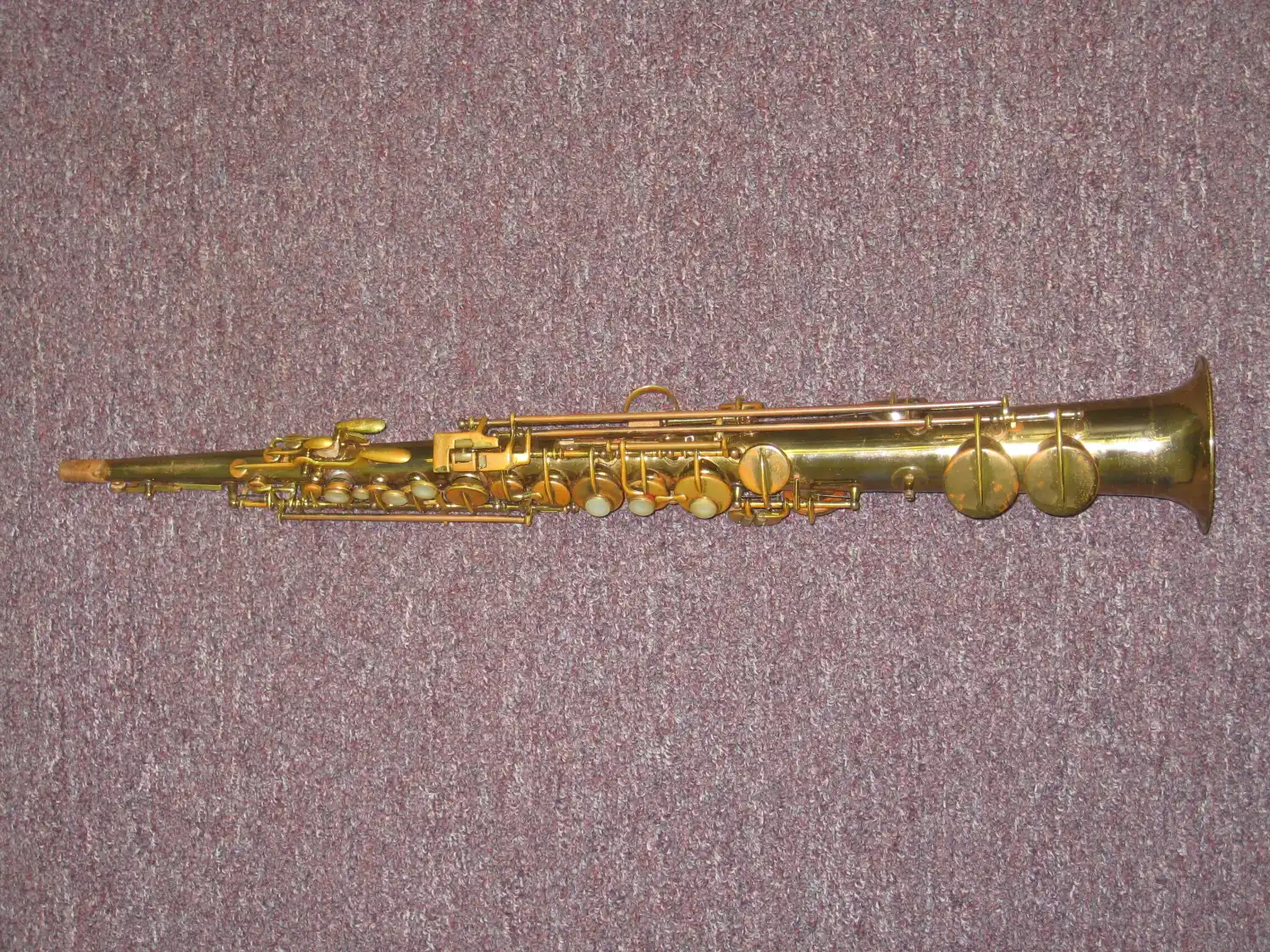
Here is the distinctive LH table, with integrated C# and G#.
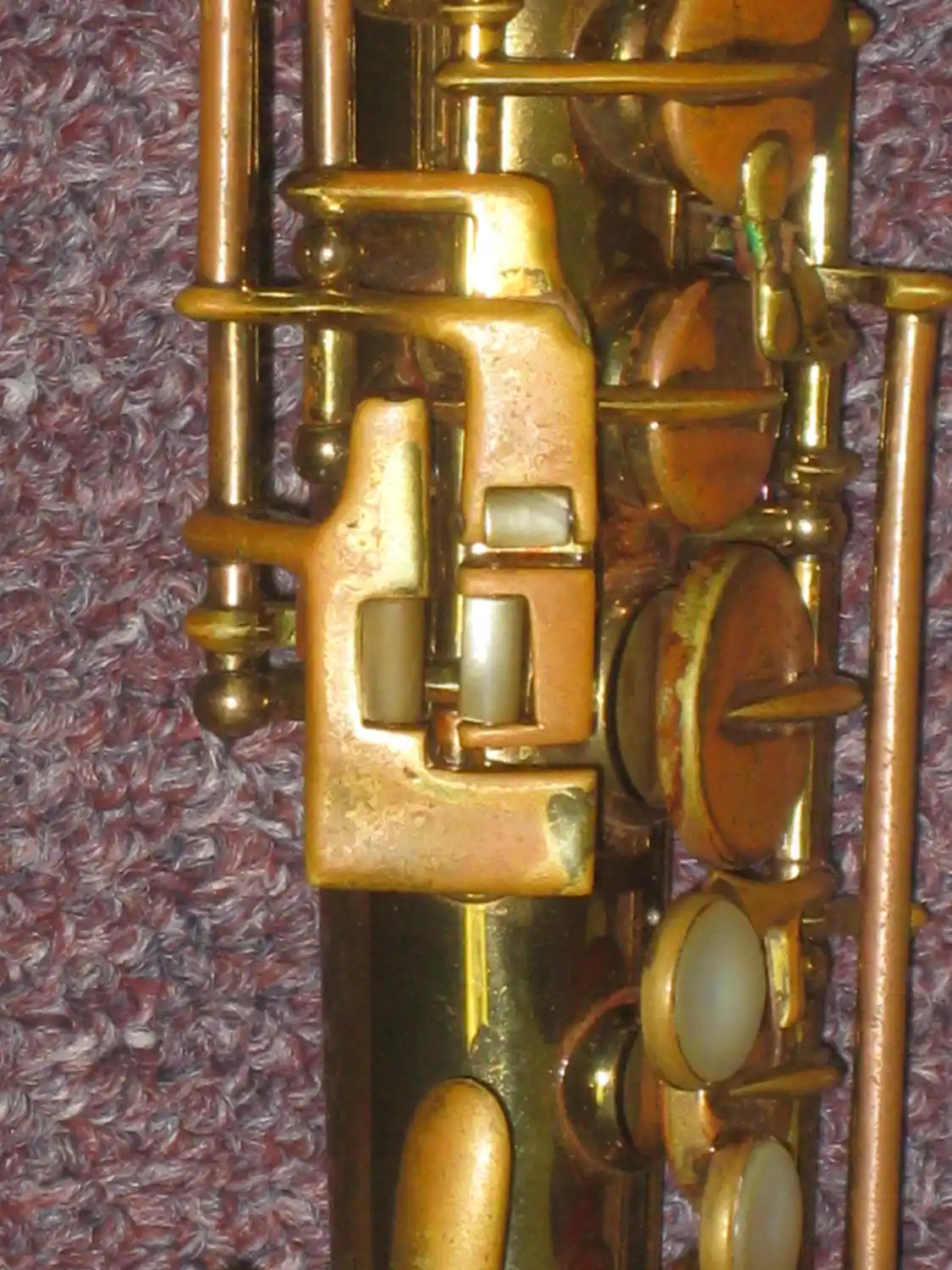
Overall view
Here is the distinctive LH table, with integrated C# and G#.
2 Replies
·
56 views
For those on Facebook, listen to this Irish folk tune medley by Eddie Barbash.
View: https://fb.watch/v/6fc-PYXdq/
His website and YouTube channel are also well worth checking out. Folk, classical, jazz, blues, latin, ... he has (for me) a refreshingly wide repertoire of performances and playing styles.
View: https://fb.watch/v/6fc-PYXdq/
His website and YouTube channel are also well worth checking out. Folk, classical, jazz, blues, latin, ... he has (for me) a refreshingly wide repertoire of performances and playing styles.
0 Replies
·
48 views

Saxophone FS Hanson VIII Alto
As per thread title, lovely example of Hanson VIII which I bought in 2020, in fantastic condition bar the octave ring being very slightly bent + slightly chipper cork on the neck, otherwise in pristine condition. Plays top to bottom super easily 🙂.
Comes with original case (never used since I also have a hiscox).
Happy to answer any question, provide more photos or let anyone try it in person.
Open to reasonable offers.
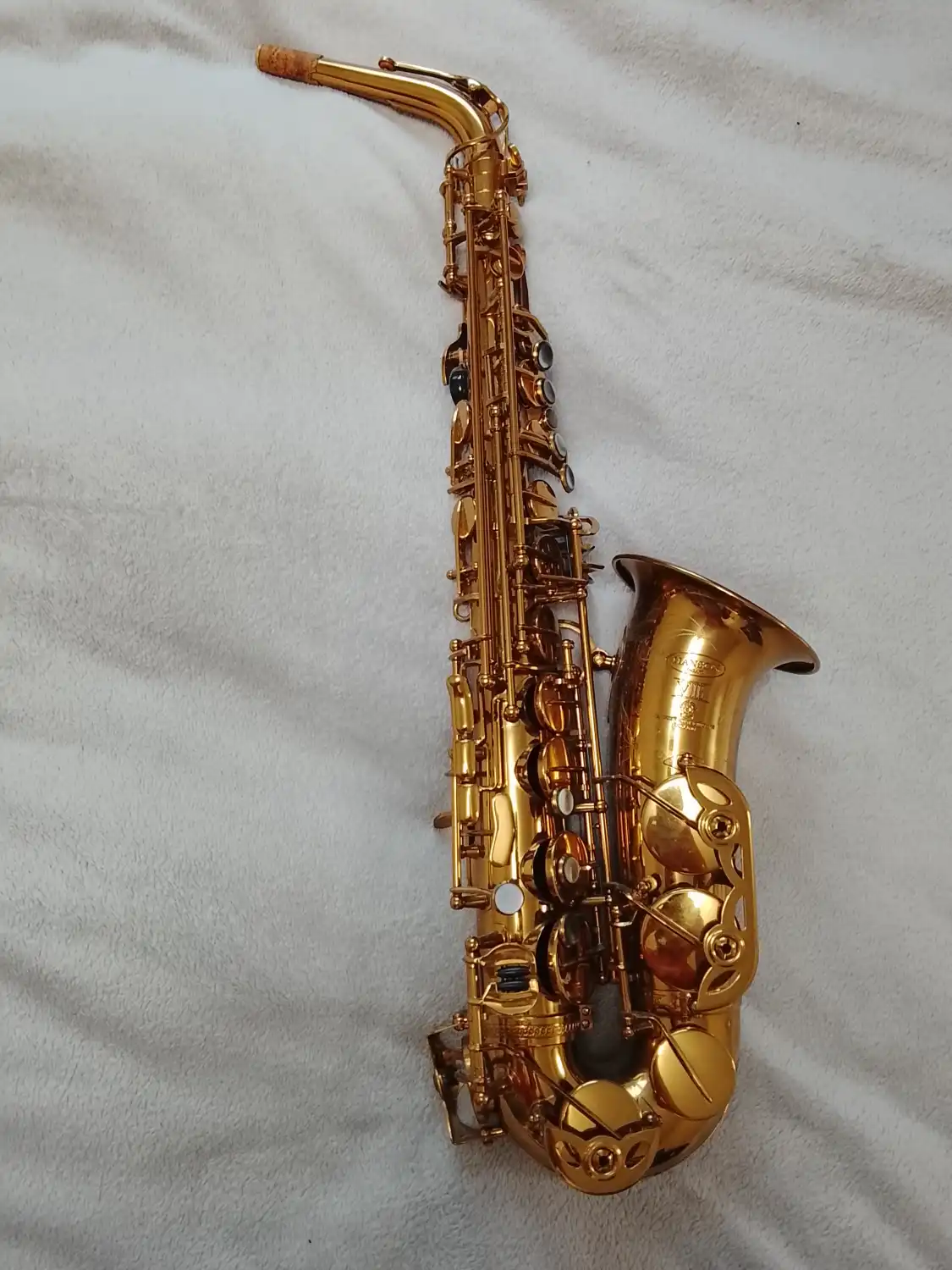
Comes with original case (never used since I also have a hiscox).
Happy to answer any question, provide more photos or let anyone try it in person.
Open to reasonable offers.
1 Replies
·
124 views
Saxophones Pork Tales: Saxophone Repair DIY Adventures.
Tales from a pig that likes to stick his nose into everything.
Paint that S. How difficult could it be ?

1) Search the net.
2) Find the color.
3) Order color.
4) Study task on University of YouTube, aka; For destruction by DYI presented by pro tech.


Do the cleaning & prep.

Paint and cleanup / detail the edges with hard cotton swabs. Sounds easy……

Yeah tha guy Matt makes it look easy.
Anyone remember your first experience cooking bacon crispy while still in the frying pan !
Paint that S. How difficult could it be ?
1) Search the net.
2) Find the color.
3) Order color.
4) Study task on University of YouTube, aka; For destruction by DYI presented by pro tech.
Do the cleaning & prep.
Paint and cleanup / detail the edges with hard cotton swabs. Sounds easy……
Yeah tha guy Matt makes it look easy.
Anyone remember your first experience cooking bacon crispy while still in the frying pan !
1199 Replies
·
67840 views


Miscellaneous Anyone know this company?
😉😉 Evening all.. I have been looking for an alto sax for a pal and have found some interesting Conn altos on the Vintage Sax.co.uk site.. Is there anyone in the cafe had any dealings with them.. Regards. 😉😉
2 Replies
·
140 views

Tech/maintenance Vise Advice
Picture of vise with V notch.
1. Why do some vises have that?
2. Not great for using parallels.
Thoughts for making something to allow use of parallels for milling.
Will be making small mounts for optics and other precision items, like metal bridges for string instruments, motor bike parts/mods, etc etc.
Might drill thru the rear block, from the back, make a metal plate, with counterbores, that is wider than the V notch and bolt it on when necessary.
Thicker parallels are an option, but they are not often used, like a parachute. 🙄
Thx
PP
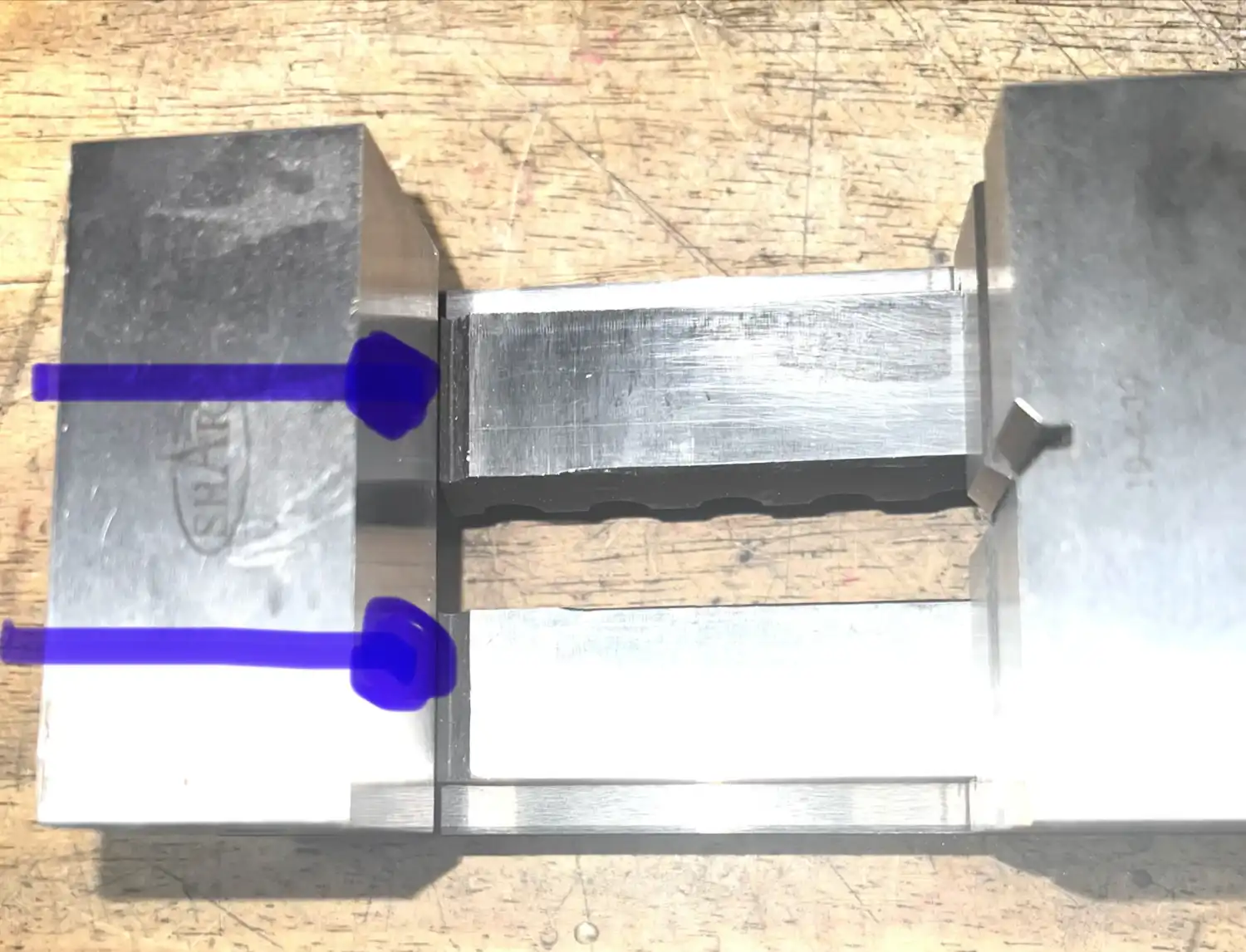
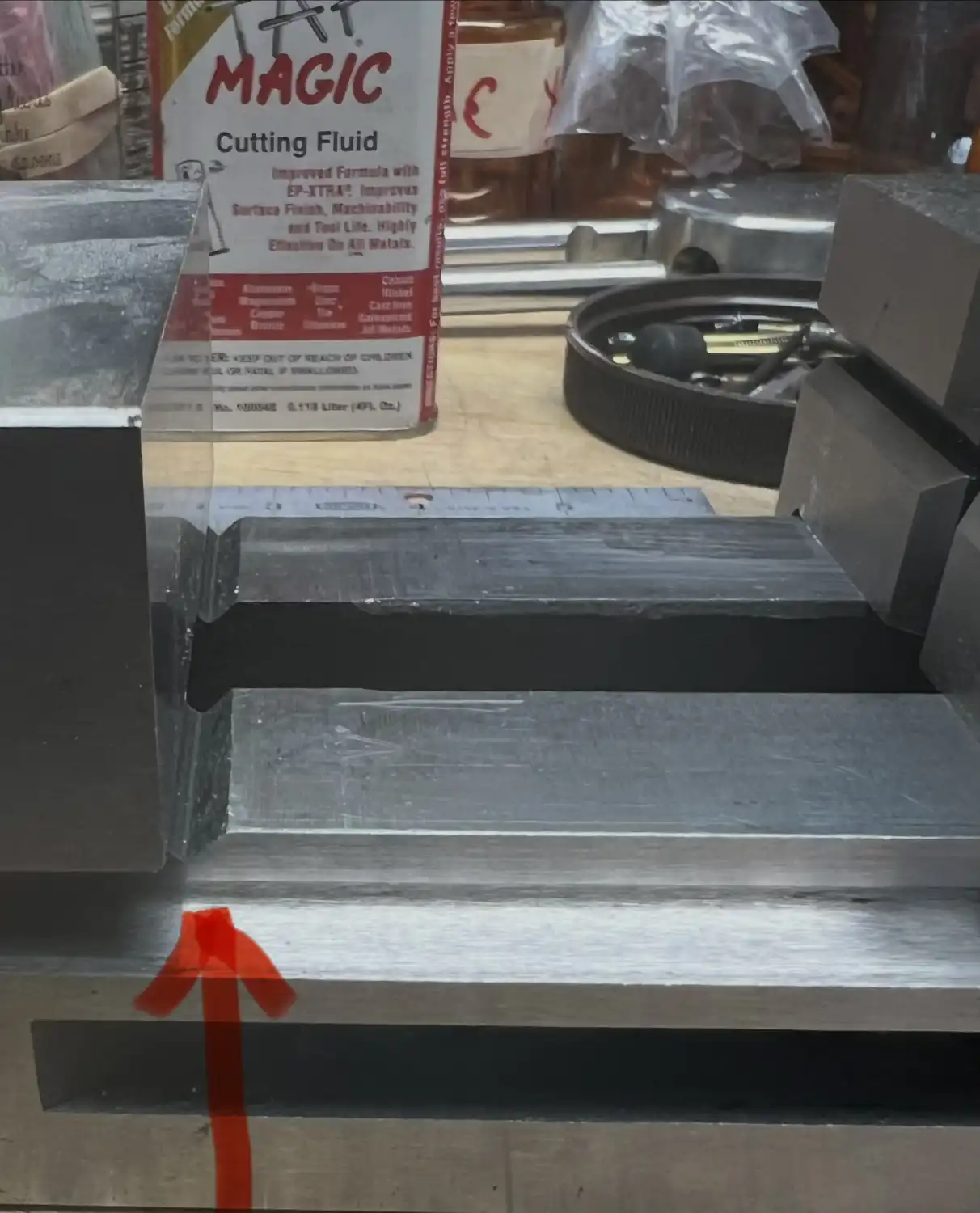
1. Why do some vises have that?
2. Not great for using parallels.
Thoughts for making something to allow use of parallels for milling.
Will be making small mounts for optics and other precision items, like metal bridges for string instruments, motor bike parts/mods, etc etc.
Might drill thru the rear block, from the back, make a metal plate, with counterbores, that is wider than the V notch and bolt it on when necessary.
Thicker parallels are an option, but they are not often used, like a parachute. 🙄
Thx
PP
9 Replies
·
270 views

Cafe Moderator
Café Supporter
Animals Show us your pets.
I apologise in advance but rest assured the Café is not going to turn into Facebook.
As a competition maybe the photo with the most likes or funnies gets a prize. I can offer a Cebulla or B.Air neck strap, as a prize. Might think of a few more. Or else a book or DVD. Or something else.
As a competition maybe the photo with the most likes or funnies gets a prize. I can offer a Cebulla or B.Air neck strap, as a prize. Might think of a few more. Or else a book or DVD. Or something else.
359 Replies
·
24215 views
Theory & Impro learning theory and improv
hello
I have been playing saxophone for roughly 13 years but only maybe half that time seriously
i play jazz
somewhere along the way on my practice i started skipping theory and fundimentals like learning all the keys, arpeggios, scales chords, and chord structures and how chord structures over songs work and how to propelry do voice leading, and i just started playing by ear and transcribing stuff without understanding how it works harmonically.
I found i have hit a wall where my playing doesnt make sense a lot of the time and i just play lines that i think sound good without understanding why. i think it is wrong
how can i re-learn the fundimentals and un-do these years of bad habits built up without having to completely re-learn everything i know about playing. i feel like my playing is still at a beginner level because i have not mastered the fundimentals when in reality i should be at a much higher level by now with my playing
22 Replies
·
434 views
Miscellaneous Photography - all aspects
Following various recent posts, I thought I would create a thread specifically for photography. Somewhere to talk about equipment, experiences, processing...
To start off, I was a Nikon user for over 40 years, but had to 'down size' as handling full-frame cameras and lenses was getting to be too much like hard work and giving me shoulder issues. My current digital camera is a mirrorless Fuji X-T5.
For film cameras, I have a Pentax MX, Mamiya RB67, and a Sinar F2.
387 Replies
·
14598 views

This is a test
0 Replies
·
33 views


Member Blogs (currently active)
-
 Saxophones Pork Tales: Saxophone Repair DIY Adventures.
- Started by PigSquealer
- Replies: 1K
-

-

Trending


Popular Discussions on the Café
-
 Saxophones C Melody Saxophones
- Started by Andy Hornblower
- Replies: 698
-
 Theory & Impro Do we really need theory?
- Started by jbtsax
- Replies: 500
-
 Saxophones Carrying a tenor on a (motor)bike?
- Started by Jay
- Replies: 779
-
 Saxophones How will Tariffs affect Sax Prices?
- Started by Ivan
- Replies: 465
-

-
 Playing the saxophone The Cafe Trio grown to Octet down to Sextet
- Started by trimmy
- Replies: 844
-
 Great Players Who sparked your love of Sax music
- Started by jools
- Replies: 619
-
 Playing the saxophone Learn to play by ear or by reading music
- Started by Taz
- Replies: 1K
-
 Tech/maintenance My new "DIY" pads...
- Started by DavidUK
- Replies: 393
-
Misc Reviews Yamaha YDS-150 Wind Synth
- Started by Acc6441
- Replies: 301
-
 Playing the saxophone Learning to Read v Playing by ear
- Started by BigMartin
- Replies: 505
Featured Classifieds
Latest Song of the Month
-
-
 SOTM SotM September 2026 - Autumn Leaves
- Started by mrblackbat
- Replies: 27
-

-

-
 SOTM SOTM June 2026 "And You Just Smile" (from ear to ear- training)
- Started by LostCircuits
- Replies: 11
-
SOTM SOTM May 2026 - Always Remember Us This Way
- Started by MikeMorrell
- Replies: 39
-
 SOTM SOTM April 2026 - Freedom Jazz Dance
- Started by rhysonsax
- Replies: 14
-
SOTM SOTM and PETE (Play by Ear Training Exercise)
- Started by Wade Cornell
- Replies: 16
-
SOTM SOTM Feb 2026 - On Green Dolphin Street
- Started by mrblackbat
- Replies: 44
-
 SOTM SOTM January 2026: Our Love Is Here to Stay
- Started by GCinCT
- Replies: 46
-
SOTM SOTM December 2025: Wexford Carol
- Started by MikeMorrell
- Replies: 37
-
 SOTM SOTM November 2025 - Red Baron
- Started by sax panther
- Replies: 36