Tech/maintenance Martin C Melody Restoration

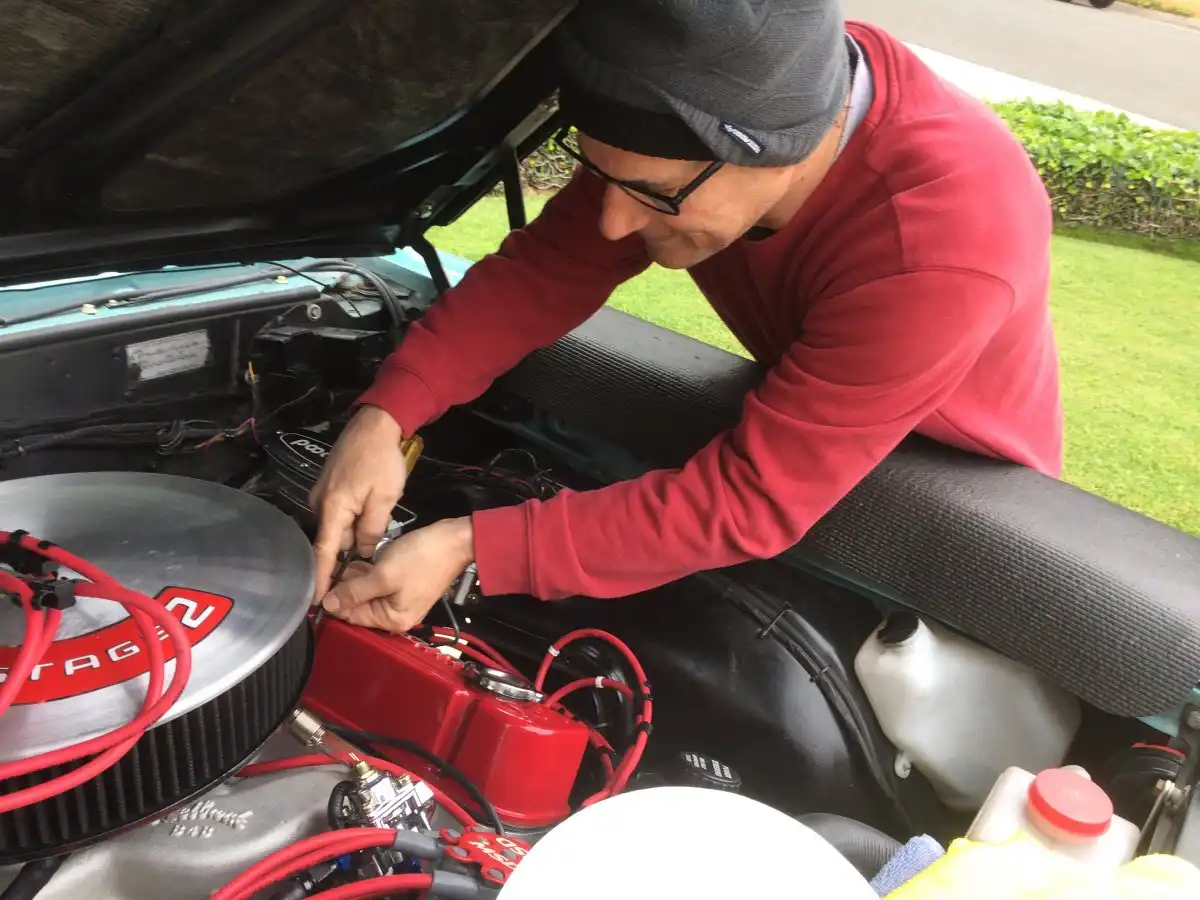
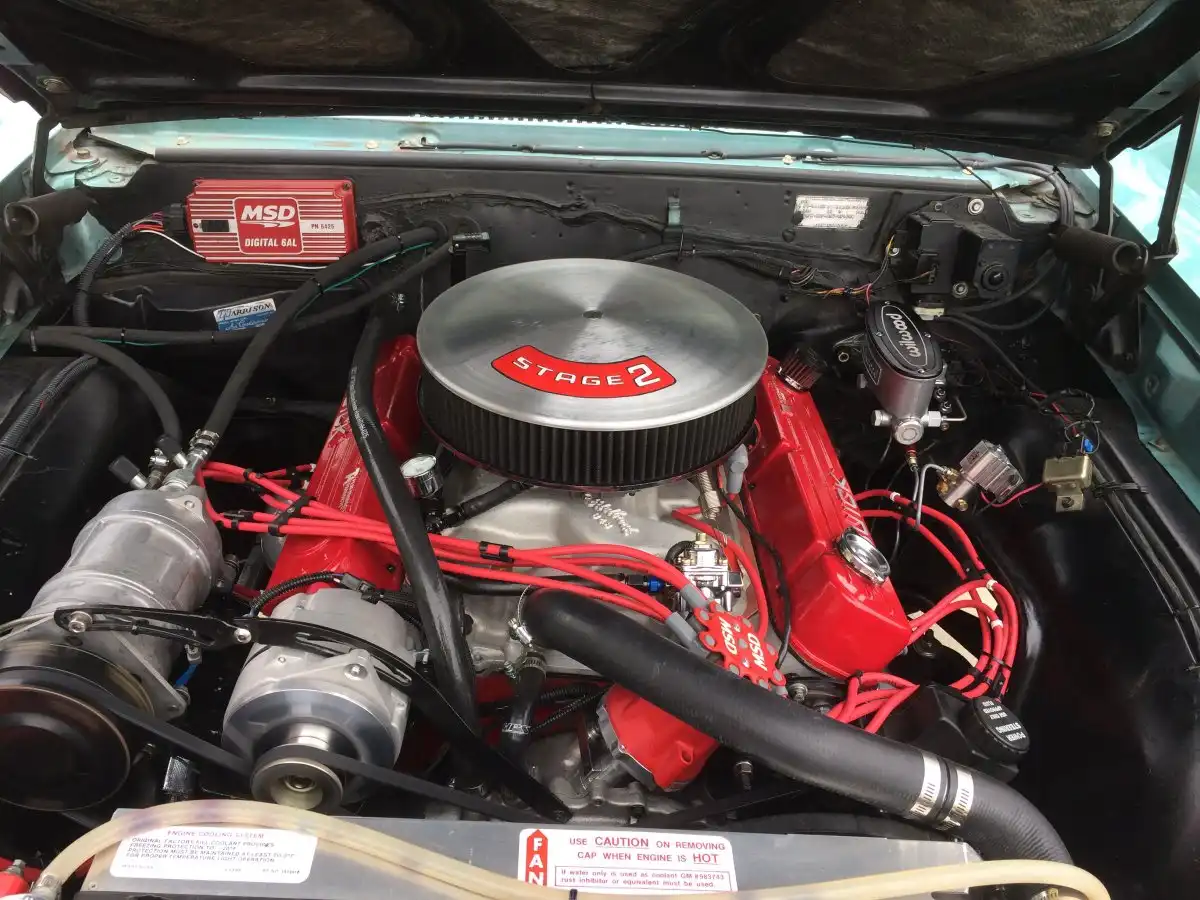
A little tuning this afternoon on a V8. Time for a Friday night with the car guys😎
9208D1D5-E9E6-42FC-B091-615F7554DCDE.webp

5BAD42BE-F5C3-42B7-A328-5F86C4C32ED6.webp
 
Every time an adjustment is made. Full review of fit is important. Some latitude down the line will be necessary. I.e. space for regulation cork and fit of the key cup/pad to the tone hole. This picture looks like a lot of space. It’s actually 1 mm.
AD477205-C1CB-4109-8046-2E0E9A9639E2.webp


All 5 small hinge rods are .0955 loose with slots spread.One is slot broken. Probably is due to someone using pliers. Making new set from .097 for a nice fit. All 3-56 tpi.
6BF678BA-5762-471C-AA39-CFFB8B14E81C.jpeg
 
Last edited:
5 new rods completed.
file end clean and smooth.
Machine about 4mm of end from .0975 to .093.
Square 3-56 tpi die with face of chuck in tailstock. Start slowly. Back away chuck and finish threading. With my die the thread cut length is just flush rod to die.
Cut rod to length. File end smooth.
I made a jig to cut the slots with moto tool.
Next I need to make a chucking reamer for sizing pillars.
E680536E-0AD0-4B8A-9FAD-4F456584C78E.webp
FB43D97D-A184-4C53-A5FE-A0175F9DFCC6.webp
8BCBD431-A477-42C0-A0C0-2D8B906D216E.webp
98C048F0-FEB0-4F3E-BFF5-C89EF4E53D40.webp
4A9471AB-523E-4248-832B-7088D40D647E.webp
 
It'd be worth investing in a collet chuck of some sort - it really makes a huge difference when working with small diameter rods. Doesn't have to cost a lot (though don't go cheapy-cheap). Mine's just a Morse taper 3 ER16 chuck with a home-made drawbar. The accuracy's much better than anything you'll achieve via 3-jaw chuck, and you can grip the work right at the point where you want to work on it..
'Course, a lot depends on how much hassle it is to take your chuck off. Mine's on a threaded spindle with a locking bolt - so it takes mere seconds to whip it off.

oversize rod making smaller.webp


Another handy tool is simple 1mm HSS parting off tool. It'll take down the diameter of the rod and put the relief in - and part it to size when done.
And a home-made die chuck is real boon. Lots of different designs for these. Mine uses an old keyless drill chuck on a tube that's a sliding fit over a tailstock arbor.

Like the slot cutter jig. I've been trying to come up with a universal design for years (self-centring, variable diameters) - but settled on making up a cutting block out of oil-hardening steel.

rod slitting block smaller.webp
 
I was going to type in one line and didn’t. ” I really need to get some collets”. I’ve only had this lathe since September. It was a disaster but worth the $300.
I picked up a couple of new chucks for $40 total. Making the backing plates now. The spindle is MT3. I’m keeping an eye out on lost- damaged and returned freight Sellers. Really nice Collett sets can be had for $100.
1620666207334.webp

i’m going to attempt one of these turret cutters.
1620666888629.webp
 
I got my collet chuck here:


Paid rather less than that, as I waited until they had an offer on. Prior to that I'd bought a Chinese one (£10 or so) but the runout wasn't up to much and nor were the collets that came with it.
Dunno that a collet set would be that useful - I tend to find that I use 2 - 4mm the most, and if you buy good collets you can get them in 1/2mm sizes.
But yeah, you won't regret buying one.

I'd seen that slitting tool (not cheap) - but I was figuring on something that used a V-block...so that any size rod could be centred and cut. I'd also want to fit it to a dedicated motor, given the use it would get.
Failing that, some sort of lathe toolpost setup would be good. Trouble is, the saw block works so damn well that I really don't have the incentive.
 
Nothing like correct tools to make things consistently. That’s a nice Collett set up you picked. I tinker on a variety of items. Last weekend I could’ve used a 17 mm collett. Thanks for the link.
Yeah that slicing turret is not cheap. That’s why I was figuring on making my own. Keeping the centerline is easy. I like your block. DIY? So how the heck do you hold the bit and cut at the same time? Blade choice for width? The motor tool composite discs are .032
 
Last edited:
Taking a few moments to listen to ”The Swan” posts.
Meanwhile I take a piece of scrap plastic (or wood). Poke some holes in it, and clean the threads on the pivot screws. Running them in and out a couple times is all it takes KeepIng them in the exact order they were removed. With everything cleaned I give it a light coat of diluted clear lacquer. A.k.a. fingernail polish. I only coat the heads of the screws. Not the point / threads.
5CCD2FAE-6D1D-48AB-AB26-859A7E2D6272.webp
51284972-BF3C-4C49-B699-02B9BC5E2E82.webp
 
Nothing like correct tools to make things consistently. That’s a nice Collett set up you picked. I tinker on a variety of items. Last weekend I could’ve used a 17 mm collett. Thanks for the link.
Yeah that slicing turret is not cheap. That’s why I was figuring on making my own. Keeping the centerline is easy. I like your block. DIY? So how the heck do you hold the bit and cut at the same time? Blade choice for width? The motor tool composite discs are .032
Ye, DIY'd the block out of gauge plate (square section silver steel) and hardened it.
You poke the rod through one of the holes, hold it below the block and cut the slot with a junior hacksaw (.025 blade width).
 
Laser pointer? I know they are out of fashion now but .... ? Just throwing this out here
Measuring the bend is no issue. How to straighten without crushing or kinking the tube is. l have several to fix. Most with .025 or less to iron out….. in multiple spots with hardware in the way🙁
The initial work I did was done very cautiously. I didn’t set myself up for failure at this stage. I also didn’t finalize straightening before I had alignment with the post to key to everything else. Chances were it would ruin a precision straightening job anyway.
 
Well padded narrow jaw pliers, boards with holes drilled, proceed slowly and check your work a lot.

While professionals have all kinds of tricks to straightening rods and tubes, for those of us where speed isn't money, hand bending carefully and checking against a known flat surface (or indicating in the lathe as you show) will get them plenty straight enough.

 

Similar threads... or are they? Maybe not but they could be worth reading anyway 😀

Social

New! Social Feeds

Look out for the navigation icon:

Follow CafeSaxophone

Latest Song of the Month

Trending

Forum statistics

Topics
32,069
Messages
578,516
Members
8,131
Latest member
Jef B
Back
Top Bottom