Well if it arrived at your doorstep in one piece. The seller did a good job on the shipping.
£300 ($381 usd) is a fuzz high but not awful.
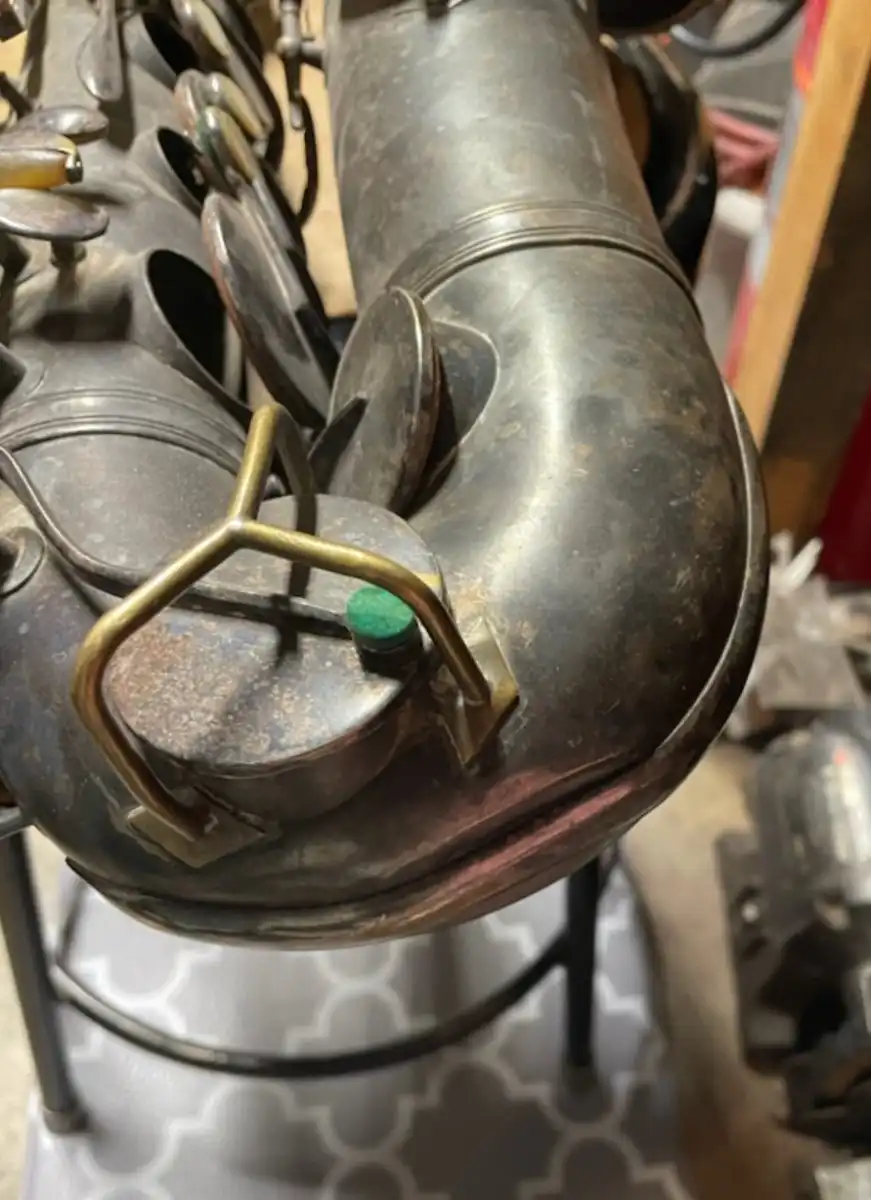
Just consider it a little bit of a premium for one in very good condition. I’ve looked up the listing and reviewed the pictures. Yes it is in very nice condition. A few little dimples in the back of body & bow. No big deal.
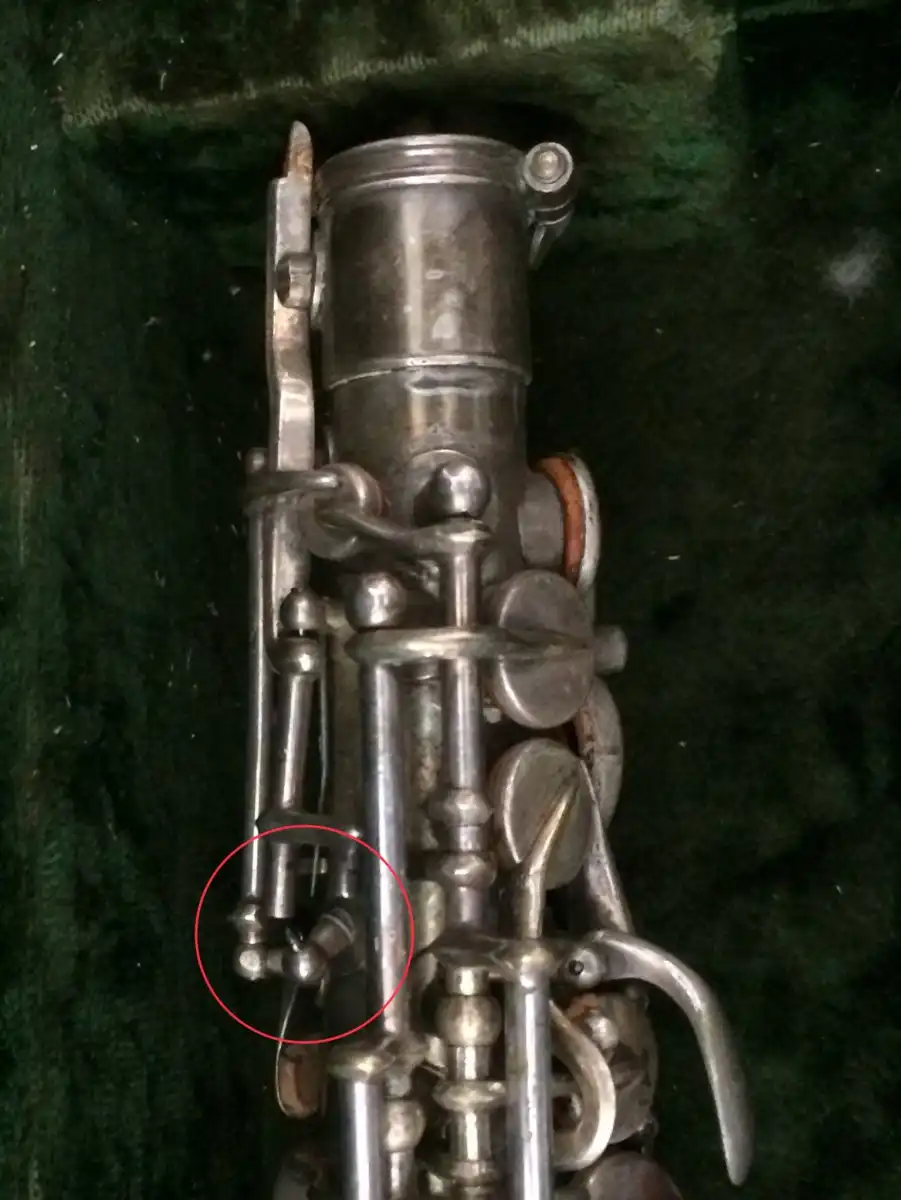
Doesn’t appear to be damaged over its lifetime and very low mileage unit at that. There’s no ware in the strap ring. The one spot plating missing on bowfin is from case. So yes, maybe a £100 /$127 premium was worth it.
I don’t see these as common in your region.
The few pictures of the pads that I can see. Well those look like a mixed bag of beans. Originals for that year were tan or white with a single stitch.
Yes, a repad on this is good advice. Worth it ? On a chance you don’t like it you may break even or lose a little bit. £600 /$763 is not out of line for a quality vintage tenor.
Sound comparison to any Conn. I’ve attached two YouTube videos
for your ears. Two different levels of playing. Two different models / years.
Pads make a difference in sound. Pads with rivets will sound differently than pads with rivets and the back filled with shellac. Flat metal boosters will sound different than domes. As you make each incremental change from a plain pad up ( a single stitch in the middle of the pad “plain”), The sound definitely changes on these. The first video I would say is riveted pads. No backfill. Mr. McLean on the RW model below most likely has domed boosters.
1926 tenor without front F like yours.
View: https://youtu.be/PsXp1a0MxIA?si=KldGL77wAblHsjFD
1930 Rudy Wiedoeft model
View: https://youtu.be/jFeyzhbpQz0?si=teYJUnVGPCGGSzJ5
When your tech says it needs new hing rods or lots of key fitting. Just laugh and think about it for a minute. How could it need these parts with no signs of use ?
Holton‘s we’re set up with loose tolerances. Heavy body grease and pillow pads. Tech of the era.
If the tech files the tone holes flat you will see missing silver around the rim of each one. Next will be swagg/swedge marks on all the tubes.




 acebook
 (bottom of page)