Tech/maintenance Removing lacquer when it's had new pads? "Project Conn"

DavidUK

Well-Known Member
Messages
8,133
Location
Near Evesham, Worcestershire
🙂

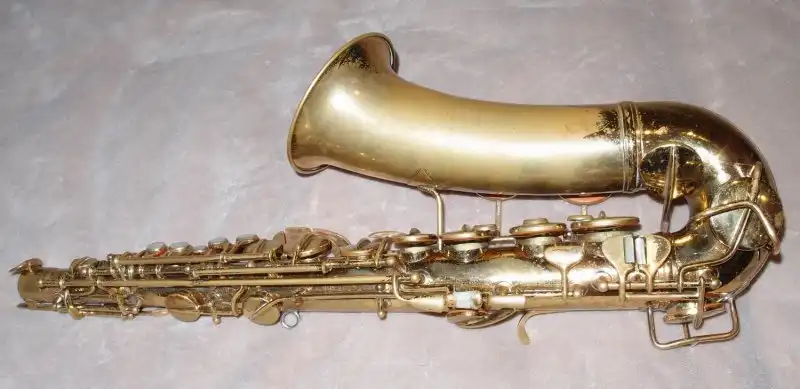
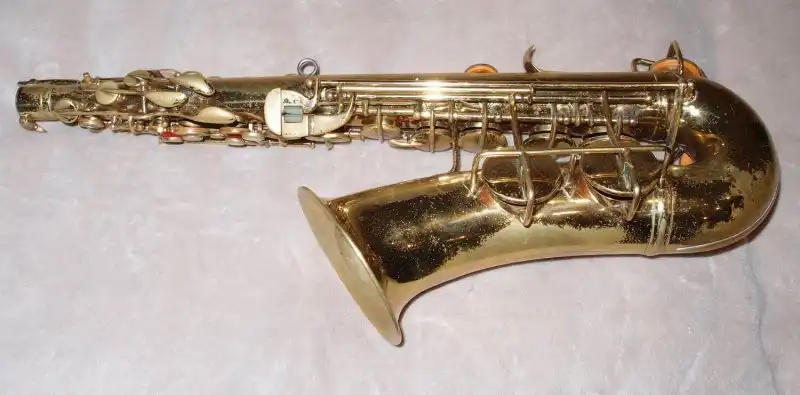
I quite like a 99% lacquer finish, so you don't worry when you scratch it...
I quite like a 0% "RAW" finish on a vintage horn, so it ages to a dull brass look...

I don't like my "new" 58M Conn's 60/40 finish...
PC153359a.webp
PC153358a.webp


Having stripped a Yamaha completely (apart from the springs) and re-assembled, I'm happy to do this so as to be able to strip the lacquer off the body. I'm guessing Nitromors will do this OK. Will it affect the blued springs? Guess I'd wash them off immediately and then oil them (Ballistol gun oil would be ideal and I have some of that).

But what to do with the keys? Pads are in great condition. So I either hand polish the remaining lacquer off which will be VERY time consuming (and I'll get polish on the pads no doubt), or somehow protect the pads while using the lacquer stripper. But this needs to be washed off, although the pads are waterproof ones. What effect would Nitromors have on leather!?

Anyone have any suggestions?

Thanks for any help.
 
You might want to try one or more of these 3M abrasive pads. Used aggressively they will cut through the old lacquer that is still on the keys. The place to be careful will be on the sides of the key cups so as not to scratch the pads themselves. If you don't have a bench motor, a high speed electric drill in a bench vice is a workable substitute. I would strongly advise against using any type of paint removing chemicals while the pads are still in the key cups.

 
Aww, leave it as it is...
personally I like the battle scarred, 'warts & all' look, but I'm too lazy to polish my saxes...

I'll leave it to the experienced delaquerers around here to give good advice, but I'd keep the paint stripper well away from the pads - maybe if you used a gel type paint stripper and wrapped a strip of blu tack around the edge of the keycup to stop it dribbling onto the pads..
Most paint stripper is alkaline, so it shouldn't dissolve the springs, but you could always drop a sewing needle or something similar made of steel in a bit of the stuff and see what happens
 
An electric toothbrush and some autosol will take the arm ache out of polishing. The oscillating head works better than a rotary dremel type tool. The rotary tool just throws off the polish. I'd be playing it not stripping it. I don't understand the raw thing. Verdigris isn't very pleasant.

[quote}As verdigris consists of various poisonous copper compounds, one should always wash one's hands after handling.[/quote]
 
The main cosmetic issue with the sax is the bell and bow. With nothing to lose, polish the unlaquered areas with some brasso (sparingly and carefully not to get in any moving parts).

If the shiny matches the lacquer, you can keep the shine more stable with Renaissance wax

Chris
 
The main cosmetic issue with the sax is the bell and bow. With nothing to lose, polish the unlaquered areas with some brasso (sparingly and carefully not to get in any moving parts).

If the shiny matches the lacquer, you can keep the shine more stable with Renaissance wax

Chris
Yes, I might try this. I'm currently doing a Renaissance wax Vs. Ballistol gun oil test on the Grassi's raw bell to see which keeps the brass better.
 
You shouldn't realy attempt to remove lacquer on a sax with the pads in. It's a job to be done during an overhaul.
The old cellulose lacquers will come off easier but modern lacquers can be difficult to shift. These harder lacquers can be attempted with pads in by using fine steel wool - 0000 grade and rubbing it off. It takes a lot of work.

Bare finishes are prone to reacting to moisture and can look a real mess after a while so it can be beneficial to leave it alone if you want it to look nice. If you want that aged look than you can strip it.

I have a silver plated sax with lacquer over the top that kept chipping off. It was looking patchy so I decided to get rid and rubbed the body down with 0000 steeo wool and then polished it . Looked good for a while but then it starts to tarnish.
If the lacquer is half decent I think it should be left. If you want to get the finish redone, get a professional job on it.
I had my Grassi stripped and polished (before and after pics here: http://www.picturetrail.com/sfx/album/slideshow/24402452) but preferred to keep it "raw" and protect it with Renaissance wax. So far it's doing a good job and if I see a stubborn spit spot I'll polish locally and re-apply the wax.

My 40's Pan Am alto also has old lacquer which, as you say, comes off fairly easily. What would you use on this around the pads... still the fine steel wool?

That looks really good I must say, though from a reselling point I was advised not to relac as it devalues the horn?, but leaving it bare looks way better than it did..I have one which is not pretty, this may be the way to go?!
 
That looks really good I must say, though from a reselling point I was advised not to relac as it devalues the horn?, but leaving it bare looks way better than it did..I have one which is not pretty, this may be the way to go?!
The Grassi was a total "all bits off" strip and polish by a professional metal polisher. It had to have new everything afterwards, thanks to Charlie Connolly.
You have the choice:
1/ Leave partially lacquered for that "lived in" look. Does look good on some saxes.
2/ Only buy mint horns. Even if you don't use them they'll deteriorate over time.
3/ Strip and re-lacquer. I'd never be happy with this.
4/ Strip and keep in check the resulting tarnishing. My current choice, if possible.
5/ Apply tacky custom finish - paint, plating, etc. Hmmm......
 

Similar threads... or are they? Maybe not but they could be worth reading anyway 😀

Social

New! Social Feeds

Look out for the navigation icon:

Follow CafeSaxophone

Latest Song of the Month

Trending

Forum statistics

Topics
32,083
Messages
578,894
Members
8,140
Latest member
AnnaR
Back
Top Bottom