
 (bottom of page)




Martin Indiana Saxophones Part 1 - The Indiana Band Instrument Company
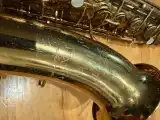
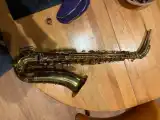
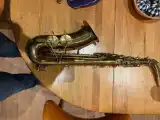
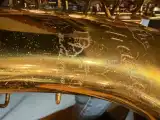
I have been trying to learn more about Martin Indiana saxophones recently. The Indiana was the brand name for Martin’s second-line instruments.
I thought I would write down what I have found out. None of this information is new or original - I’m just trying to put it all in one place. And of course there may be mistakes in what I am writing.
My main sources have been “The Martin Story”, SaxPics, saxophone.org and SOTW.
The Martin Story website is an excellent resource for people who want to learn about Martin saxophones:
The Martin Story - All there is to know about Martin saxophones
The Indiana Band Instrument Company
The Indiana Band Instrument Company was created in 1928 by the Martin management as a brand for their second-line instruments. IBICo never had a separate existence from Martin and IBICo never had a separate factory. Indiana saxes were made in the main Martin factory in Elkhart. (See below for sources.)
There is an informative article on the history of Indiana saxophones in the Bassic Sax blog:
The Indiana Band Instrument Co. | The Bassic Sax Blog
This article quotes Greg Holtz, the grandson of the Martin Manager Fred Holtz:
“In December 1928, in order to broaden their customer base, Mr Bassett (majority owner and G.M.) and Grandad incorporated The Indiana Band Instrument Company. Like Conn had done several years earlier with their Pan American brand, and then Buescher, with their Elkhart Band Instrument division, it allowed Martin to produce and market a line of less costly instruments to those who could not afford the premium Martin offerings.
“These entities were wholly owned by their parent, but at least in the case of MBI, both Martin and Indiana lines were built on the same line by the same craftsmen. These were long before ‘student horns’ were ever conceived. Rather Martin brought older retired top-of-the-line models (with existing tooling) back to life. The Indiana horns were of excellent quality (the Indiana saxophone, for instance, was a dead ringer for the older Handcraft Standard premium horn).
“During war production buildup in 1942, Martin dropped the Indiana Band Instrument logo, and subsequently , labeled the horns as “INDIANA by Martin”. MBI did keep the serial numbers on a separate ledger.
“In 1961, Paul Richards, a businessman with little band instrument experience, purchased three companies (Martin, Blessing, Reynolds and their factories) to produce as many student horns as possible. With the success of ‘The Music Man’ on Broadway and the movie in the works, he had dreamed of a huge student horn boom. Sadly he was wrong and faced bankruptcy in less than two years.
“Wurlitzer, a longtime Martin client) picked up the pieces and operated the Elkhart plant for several years, until the Leblanc sale. The Indiana horns were produced throughout all those years.”
In another thread, another grandson, Chris Holtz, wrote:
“As many have noted the Indiana product line made use of older designs and tooling , perhaps also removing a feature or two.”
Source: Post #33 in the SOTW thread
https://www.saxontheweb.net/threads/a-bit-of-martin-family-history.175073/page-2
And thomsax writes on a Cafe Sax thread:
“This is my own conclusions/thoughts. They are based on articles, books, contact with guys who knows and have worked on Martin saxes and a former Martin worker (in the 50') that I had contact with in late 80's.
“Where were they made?
I don't think they were made in separate buildings . But two companies IBICO (Indiana Band Instruments Company) and Martin Band Instruments. In the 50's they were made in the same building but not at the same time. The staff was told to clear out the benches/workplaces and make ready for Indiana production. They used old tools for Indiana. The tempo was high and the quality control was less. The shouldn't spend so much time on each saxophone. So they did lots of Indianas during a short (some weeks or months?) time. And If you see the serial charts many Indiana were made in late 50's. But It was also during these years the big market for student saxes increased.”
Source: Post #14 in the Café Saxophone thread
https://cafesaxophone.com/threads/saxophone-evolution.29351/#post-435686

I have been trying to learn more about Martin Indiana saxophones recently. The Indiana was the brand name for Martin’s second-line instruments.
I thought I would write down what I have found out. None of this information is new or original - I’m just trying to put it all in one place. And of course there may be mistakes in what I am writing.
My main sources have been “The Martin Story”, SaxPics, saxophone.org and SOTW.
The Martin Story website is an excellent resource for people who want to learn about Martin saxophones:
The Martin Story - All there is to know about Martin saxophones
The Indiana Band Instrument Company
The Indiana Band Instrument Company was created in 1928 by the Martin management as a brand for their second-line instruments. IBICo never had a separate existence from Martin and IBICo never had a separate factory. Indiana saxes were made in the main Martin factory in Elkhart. (See below for sources.)
There is an informative article on the history of Indiana saxophones in the Bassic Sax blog:
The Indiana Band Instrument Co. | The Bassic Sax Blog
This article quotes Greg Holtz, the grandson of the Martin Manager Fred Holtz:
“In December 1928, in order to broaden their customer base, Mr Bassett (majority owner and G.M.) and Grandad incorporated The Indiana Band Instrument Company. Like Conn had done several years earlier with their Pan American brand, and then Buescher, with their Elkhart Band Instrument division, it allowed Martin to produce and market a line of less costly instruments to those who could not afford the premium Martin offerings.
“These entities were wholly owned by their parent, but at least in the case of MBI, both Martin and Indiana lines were built on the same line by the same craftsmen. These were long before ‘student horns’ were ever conceived. Rather Martin brought older retired top-of-the-line models (with existing tooling) back to life. The Indiana horns were of excellent quality (the Indiana saxophone, for instance, was a dead ringer for the older Handcraft Standard premium horn).
“During war production buildup in 1942, Martin dropped the Indiana Band Instrument logo, and subsequently , labeled the horns as “INDIANA by Martin”. MBI did keep the serial numbers on a separate ledger.
“In 1961, Paul Richards, a businessman with little band instrument experience, purchased three companies (Martin, Blessing, Reynolds and their factories) to produce as many student horns as possible. With the success of ‘The Music Man’ on Broadway and the movie in the works, he had dreamed of a huge student horn boom. Sadly he was wrong and faced bankruptcy in less than two years.
“Wurlitzer, a longtime Martin client) picked up the pieces and operated the Elkhart plant for several years, until the Leblanc sale. The Indiana horns were produced throughout all those years.”
In another thread, another grandson, Chris Holtz, wrote:
“As many have noted the Indiana product line made use of older designs and tooling , perhaps also removing a feature or two.”
Source: Post #33 in the SOTW thread
https://www.saxontheweb.net/threads/a-bit-of-martin-family-history.175073/page-2
And thomsax writes on a Cafe Sax thread:
“This is my own conclusions/thoughts. They are based on articles, books, contact with guys who knows and have worked on Martin saxes and a former Martin worker (in the 50') that I had contact with in late 80's.
“Where were they made?
I don't think they were made in separate buildings . But two companies IBICO (Indiana Band Instruments Company) and Martin Band Instruments. In the 50's they were made in the same building but not at the same time. The staff was told to clear out the benches/workplaces and make ready for Indiana production. They used old tools for Indiana. The tempo was high and the quality control was less. The shouldn't spend so much time on each saxophone. So they did lots of Indianas during a short (some weeks or months?) time. And If you see the serial charts many Indiana were made in late 50's. But It was also during these years the big market for student saxes increased.”
Source: Post #14 in the Café Saxophone thread
https://cafesaxophone.com/threads/saxophone-evolution.29351/#post-435686