Tech/maintenance Maintenance schedule

Marge

Member
Messages
351
Location
Leeds uk
Hiya I always clean my sax with the pull through and cloth when I finish practicing but I was just wondering is there a simple weekly/monthly cleaning and maintenance schedule I should be following? I noticed in my second hand tenor case there was some oil and a little screwdriver, bear in mind I spent 59 years of my 60 years of life knowing nothing more about the saxophone than I like the sound, and I still feel like I'm rubbing my head whilst patting my belly and trying to ski down hill in my learning journey, but I'd like to look after my instrument as much as I can. Thank you
 
Solution
In addition to pull-through swabbing, after playing each day I use Yamaha "cleaning paper" under several keys to help prevent sticking. Just slip in the paper, press the key lightly, pull the paper out. (Usually, low C#, low C, G#, Bb bis because those seem to stick the most). Then I slip the cleaning paper under the G# key because it tends to stick. Half the time I forget to remove it when I next play 😳

I have a hard rubber mouthpiece. Each month I wash it with regular dish detergent and a brush. I rinse and dry it and apply some Extra Virgin Olive Oil using a little bit of paper towel (some EVOO on the paper, then another piece to wipe it off). This is to keep it clean and to prevent it starting to smell sulphury.

Last, I take...
In addition to pull-through swabbing, after playing each day I use Yamaha "cleaning paper" under several keys to help prevent sticking. Just slip in the paper, press the key lightly, pull the paper out. (Usually, low C#, low C, G#, Bb bis because those seem to stick the most). Then I slip the cleaning paper under the G# key because it tends to stick. Half the time I forget to remove it when I next play 😳

I have a hard rubber mouthpiece. Each month I wash it with regular dish detergent and a brush. I rinse and dry it and apply some Extra Virgin Olive Oil using a little bit of paper towel (some EVOO on the paper, then another piece to wipe it off). This is to keep it clean and to prevent it starting to smell sulphury.

Last, I take it in for a Clean Oil and Adjust service once a year.

The Haynes Saxophone Manual by @Stephen Howard is informative, nicely written, and well-illustrated (in my opinion, of course). For example, even if you never do a repad it's interesting to know what is involved. It's out of print but who knows, it may be available used.
 
Vote:
Upvote 0
Solution
I'm sure there'll be some specific suggestions; but I'd suggest: look at it, get used to how it looks and feels and keep an eye out for changes.

Eg
Are you gripping tighter to make something sound?
Is something clicking?
All the heads at the end of the rods should be almost flush - does a screw or rod look like its working out?
Are the cork and felt pads looking nice?
...
 
Vote:
Upvote 0
In addition to pull-through swabbing, after playing each day I use Yamaha "cleaning paper" under several keys to help prevent sticking. Just slip in the paper, press the key lightly, pull the paper out. (Usually, low C#, low C, G#, Bb bis because those seem to stick the most). Then I slip the cleaning paper under the G# key because it tends to stick. Half the time I forget to remove it when I next play 😳

I have a hard rubber mouthpiece. Each month I wash it with regular dish detergent and a brush. I rinse and dry it and apply some Extra Virgin Olive Oil using a little bit of paper towel (some EVOO on the paper, then another piece to wipe it off). This is to keep it clean and to prevent it starting to smell sulphury.

Last, I take it in for a Clean Oil and Adjust service once a year.

The Haynes Saxophone Manual by @Stephen Howard is informative, nicely written, and well-illustrated (in my opinion, of course). For example, even if you never do a repad it's interesting to know what is involved. It's out of print but who knows, it may be available used.
Thank you, that's really useful 👍
 
Vote:
Upvote 0
I'm sure there'll be some specific suggestions; but I'd suggest: look at it, get used to how it looks and feels and keep an eye out for changes.

Eg
Are you gripping tighter to make something sound?
Is something clicking?
All the heads at the end of the rods should be almost flush - does a screw or rod look like its working out?
Are the cork and felt pads looking nice?
...
Thank you. That's helpful. I've taken both for a service since I got them but the alto is a really cheap, £300, Chinese make, Eastex, my husband got me to see if I took to it. So I don't really want to spend £100 every year on servicing, I thought if I can maintain it myself I might be able to just take it when I think there's a problem. I'll upgrade at some point I expect but it's OK for now and my teacher says it's not a bad one, though the neck isnt as snug as it should be. The tenor is a bit better one, trevor James, but still it wasn't expensive second hand so if I look after it I can perhaps take it to the shop a bit less?
 
Vote:
Upvote 0
Is there's anything other than "keep the sax clean and dry and don't knock or drop it"? Some suggest a little oil, but even that doesn't seem a 100% consensus! And pad cleaning...

Seems to me, beyond that, it's a question of how handy you are - and how much DIY risk you're comfortable with... And even that starts with learning to recognise what the problem is... Some are obvious others very devious. The recent B/B♭ thread illustrates that - a lose spring should be easy to spot, a dodgy low D might be a number of things.
 
Last edited:
Vote:
Upvote 0
Saxophones don't really need oiling a whole lot. I'd probably leave that to the tech. The reason for this is that too much oil will cause issues such as corks and felts falling off etc. as the oil breaks down the adhesive.

Effective lubrication really requires taking apart, cleaning and reassembly. If you're not comfortable doing this: don't, but if you are there plenty of people on here to offer advise.

Key leaves are an excellent product:

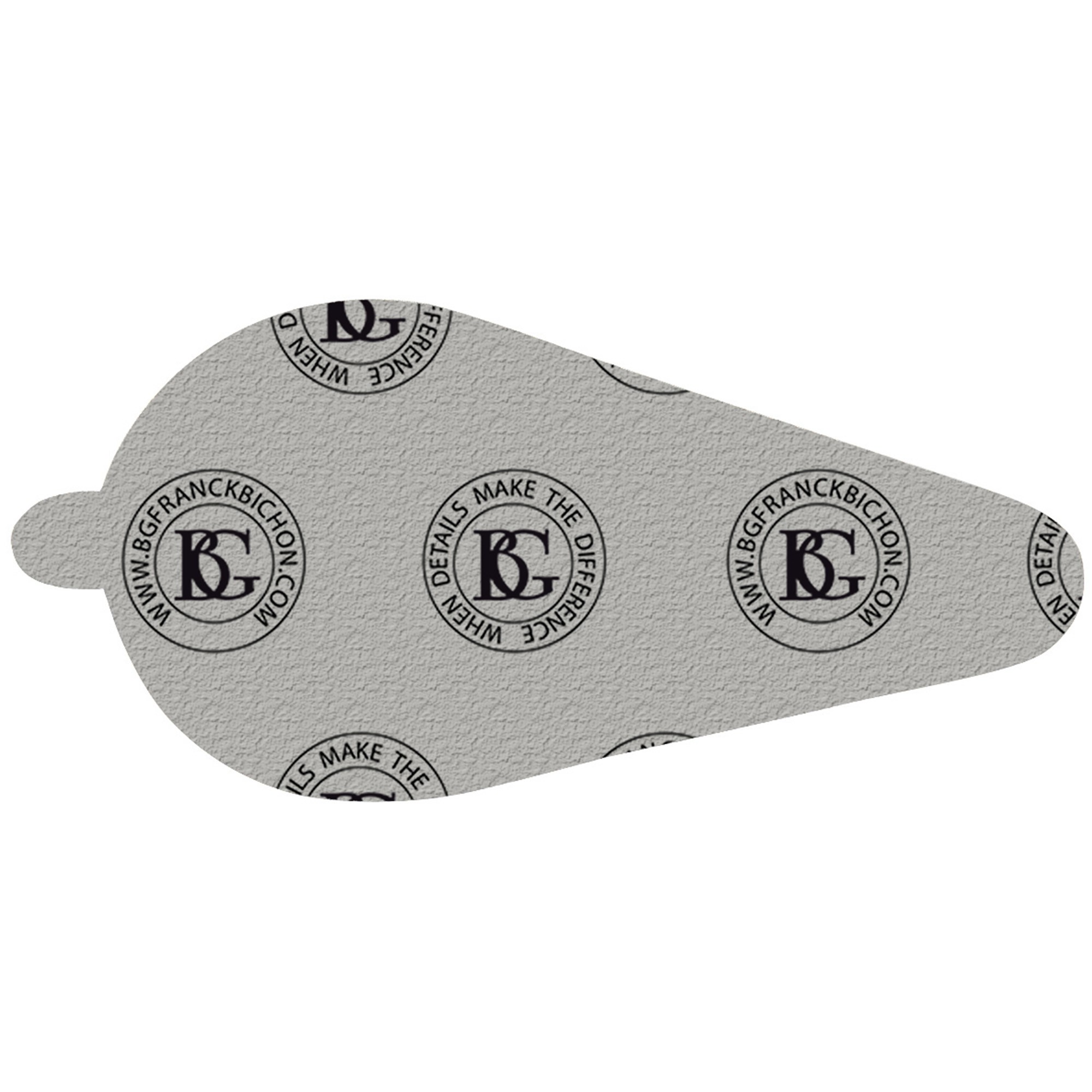
A BG AS65 Pad dryer is a first rate product -I dry each of the normally closed pads after playing, starting at the top of the horn and working down. To dry open the key and slide over tone hole and let the pad close on the dryer then count to 10, remove and move to next hole. It is also a really good way of getting to know your saxophone and what does what.

 
Vote:
Upvote 0
Seems to me, beyond that, it's a question of how handy you are - and how much DIY risk you're comfortable with...
lol that's funny because my husband won't even let me in 'his' garage in case I happen to touch a tool and damage it! To be fair the washing machine flummoxs him so it's sort of even. In short, generally, I am the very antithesis of 'handy' as far as oil and screwdrivers go, but I am willing to learn if it means I keep my sax happy and healthy. I just don't want to do more harm than good by tinkering without knowing what I'm doing.
 
Vote:
Upvote 0
With a cheap Chinese saxophone, play it till it won't play, then upgrade and move on.

TJ saxophones have a decent reputation and being a Yamaha copy most techs will work on them. Keep it clean and enjoy it.
Thank you. I do like my cheap Chinese one and I'd like to keep it going a while but I think that's good advice. Thank you
Saxophones don't really need oiling a whole lot. I'd probably leave that to the tech. The reason for this is that too much oil will cause issues such as corks and felts falling off etc. as the oil breaks down the adhesive.

Effective lubrication really requires taking apart, cleaning and reassembly. If you're not comfortable doing this: don't, but if you are there plenty of people on here to offer advise.

Key leaves are an excellent product:

A BG AS65 Pad dryer is a first rate product -I dry each of the normally closed pads after playing, starting at the top of the horn and working down. To dry open the key and slide over tone hole and let the pad close on the dryer then count to 10, remove and move to next hole. It is also a really good way of getting to know your saxophone and what does what.

Thank you. That's helpful. Amazon key leaf order on way!
 
Vote:
Upvote 0
Thank you. I do like my cheap Chinese one and I'd like to keep it going a while but I think that's good advice. Thank you

Thank you. That's helpful. Amazon key leaf order on way!
Be sure to use correctly: make sure the silicone 'leaves' are under the key arms and not touching the pads themselves (otherwise they can leave an impression which will cause a leak'.

I prefer to finger C# and D# and allow the keys to drop down on to the 'leaves' rather than pulling at the keys themselves and ramming them under of that makes sense
 
Vote:
Upvote 0
For a low cost saxophone the main priority is to keep the pads alive:

avoid direct sunlight
avoid gorilla grip
do not use sugar before playing
dry the saxophone after playing
avoid oil on the pads
Store around 60% air moisture do not exceed 70%

The last remark is inspired by one of my saxophone pals who keeps his house very dry. When he plays not enough you can hear that his pads do not close properly. Luckily they come back when he stores his saxophones in his garage.
When you exceed 70% too long fungi will eat the pads.
For myself I make pads that are resistant to uv, light moisture and fungi but that is not common.

Clean the inside of the octave pips every year with a pipe cleaner.
 
Vote:
Upvote 0
Hiya I always clean my sax with the pull through and cloth when I finish practicing but I was just wondering is there a simple weekly/monthly cleaning and maintenance schedule I should be following?
This is what I do after every time I've been playing:

1. Get the water/moisture out from the sax!

I use to do rolls of kitchen paper to soak up. Leave it on a stand. Both neck and body. I use to clean my mouthpiece and taking care of the reed(s) while the paper is doing the work.


IMG_3794.JPGIMG_3795.JPG
 
Vote:
Upvote 0
3. Insert a pad sawer.

Twist the pad sawer so the fibers reach the top of the chimney. I'm playing Martin saxes with soft soldered tone holes and I believe dry and clean tone hole joints is important on these saxes.

IMG_3800.JPG
 
Last edited:
Vote:
Upvote 0
Couple of additional things to think about; a lot of helpful advice so far, but there are things you can do to keep from having problems.

First- when you put the horn together, put the mouthpiece on the neck first, then put the reed on the mouthpiece, then put the neck on the main body last. This avoids two common issues that can make it harder to play - compressing the neck tenon and bending the neck. Both of these things happen more easily if you put the mouthpiece on after the neck, or perhaps I should say “crook”, is on the horn.

Second - use a pull through swab after playing every time. You can buy one, or make one yourself - I use chamois for mine, have done so since the age of 13 when my clarinet teacher showed me how. I’m now 76…. Saxophones love me, but goats hate me, what can I say. Saxophones need two swabs, one for the body and one for the crook and mouthpiece.

Third - if you use cane reeds, get a reed case if you haven’t got one and rotate your reeds. Play a different reed every day. If you use a synthetic, this isn’t necessary.

Fourth - comments about previous topics:
  • I also like and use the Key Leaves, prevents the horrible sticky G# pad.
  • I always put my horn back in the case after playing, but I do leave the case open for a few hours before closing it up. Leaving it out on the stand is fine too, as long as you are careful about dust, children and pets.
  • Regarding oil, once evey 6 months put a tiny weensie little drop at every place where a key meets a post, and use a cotton bud or piece of paper towel to mop up any excess immediately. If you are over 40, or have poor eyesight, use reading glasses. I like the Music Medic Ultimax medium viscosity. It comes in a small bottle with a needle oiler.
  • Take your horn in for service once a year.
 
Vote:
Upvote 0
4. Dry the pads.

Use some kind of pad dryer/swab. There are some different types on the market. A strong kitchen paper or pad paper is also fine. Make sure every pad is dry. This is the basic thing to do to prevent sticky pads.


IMG_3801.JPGIMG_3802.JPG

Now the sax is ready for the next séance.

To do my cleaning/drying rituals at home is easy. Harder when I'm at a jam or been playing at the local pub.
 
Last edited:
Vote:
Upvote 0

Social

New! Social Feeds

Look out for the navigation icon:

Follow CafeSaxophone

Latest Song of the Month

Trending

Forum statistics

Topics
32,064
Messages
578,475
Members
8,131
Latest member
Jef B
Back
Top Bottom