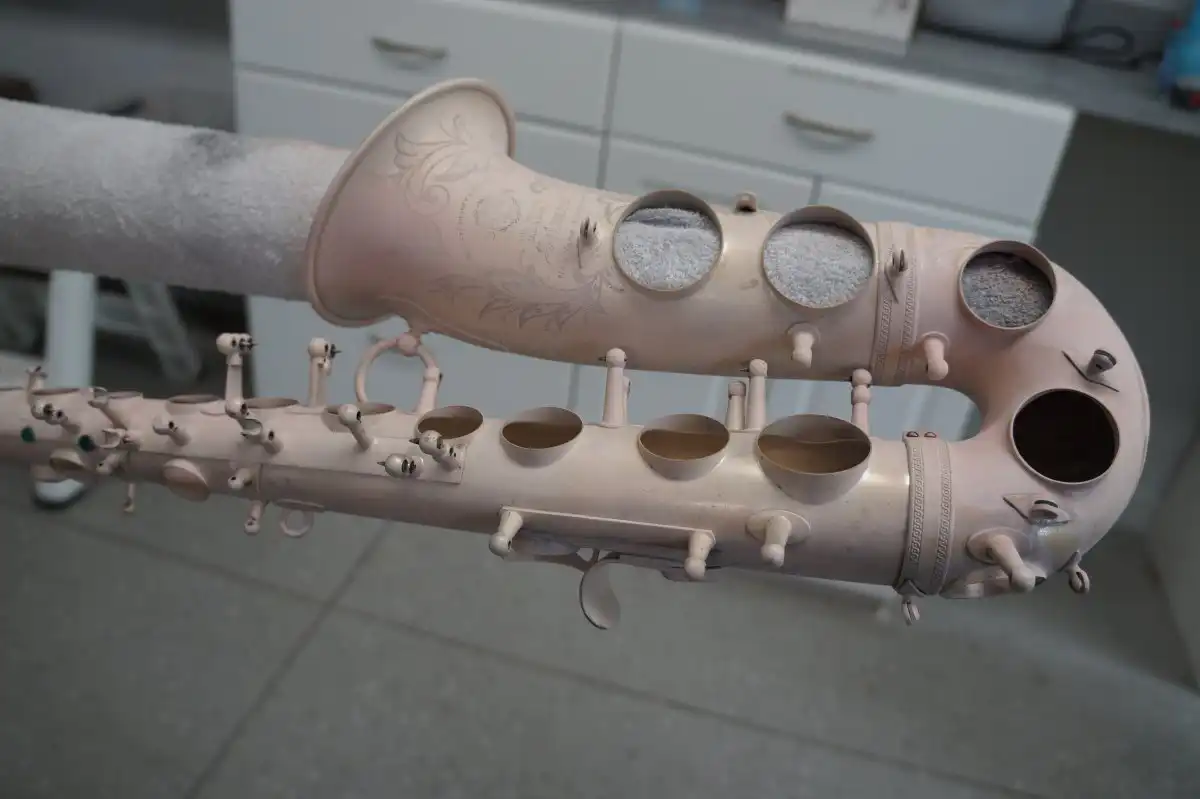
Tech/maintenance Do I dare attempt a tear down and cleaning of a silver plated sax?

My thoughts and suggestions can be read here: So ya wanna learn sax repair

If you use the Haggerty spray, be sure to spray it on outside and let it dry before coming indoors. Also do a section of the horn at a time. A useful tip I learned for polishing keys is to use the JL Smith Tarnish Ragging Cloth attached to the front of the work bench and move the key back and forth to polish it. Never use paste or liquid polish on keys with pads in them.
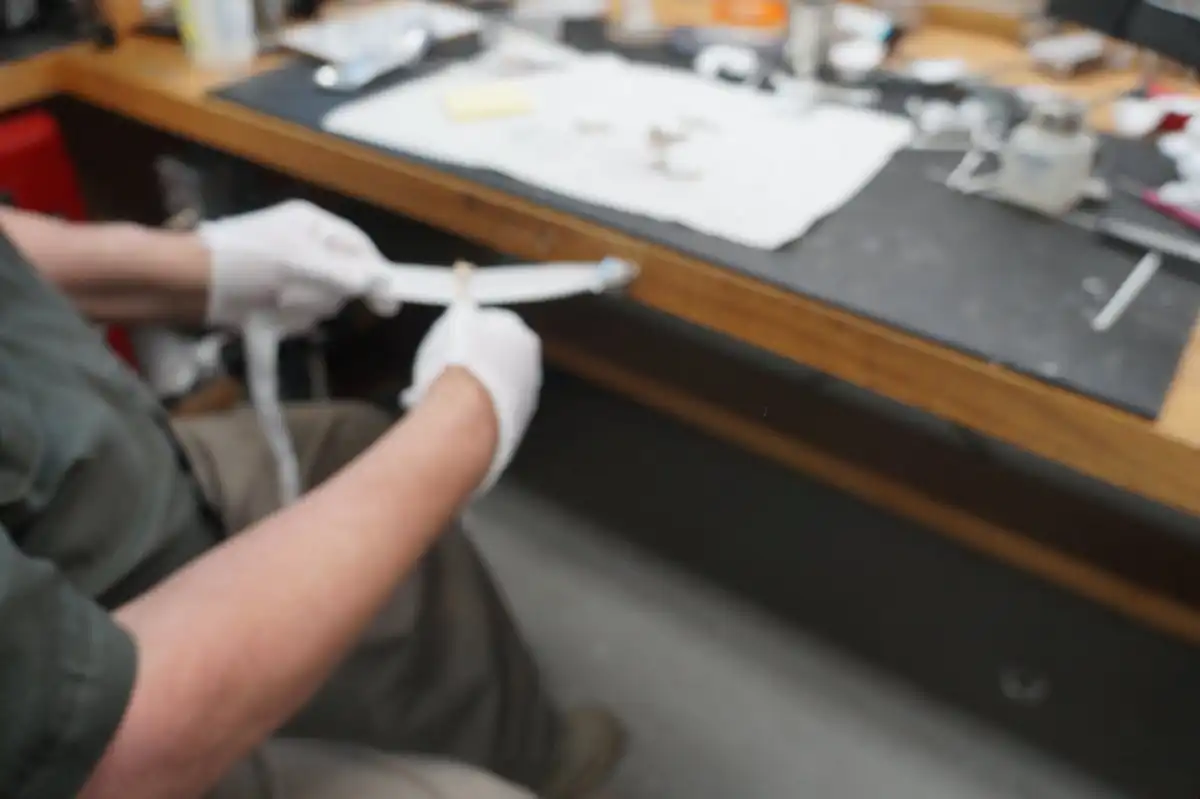
1666717190815.webp
1666717495263.webp
1666717537829.webp


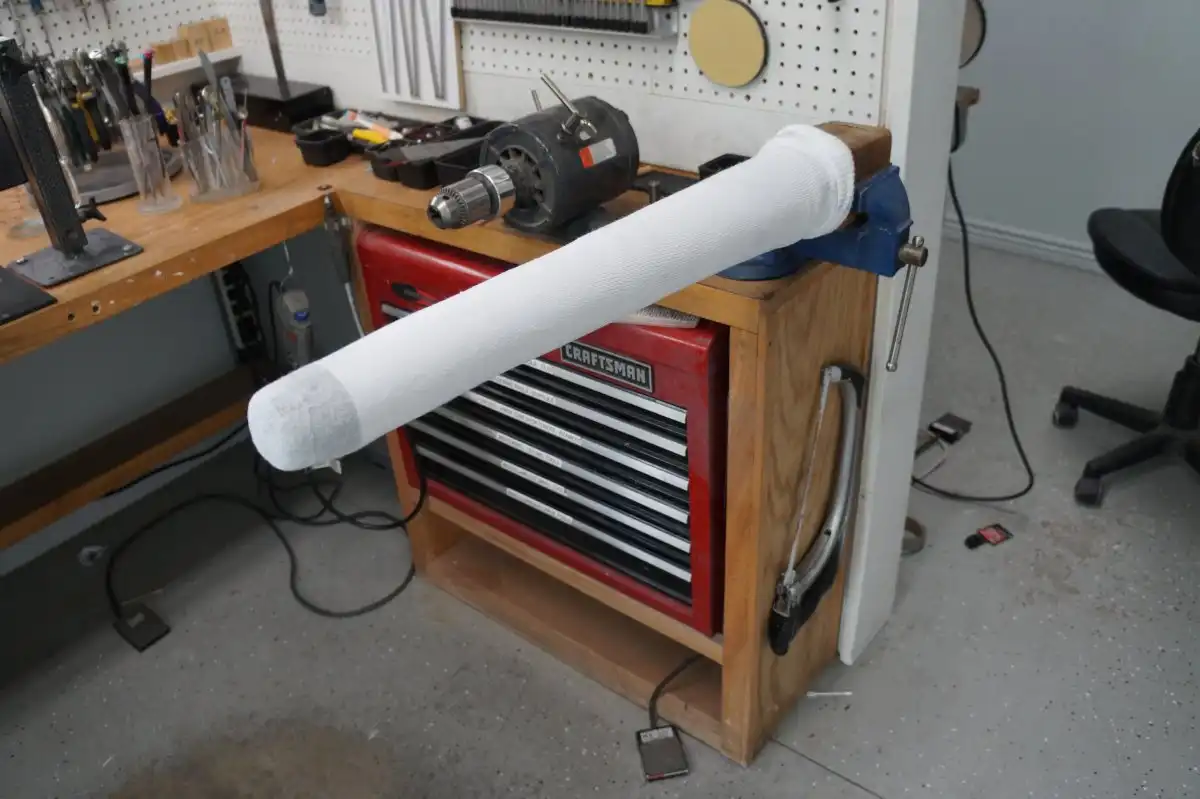
A useful fixture to hold the body of the saxophone while "ragging" is a called a
wood assembly mandrel available from Ferree's. Anyone with a wood lathe and a bit of skill can make one from a 4" x 4" post. Strips of cotton muslin cloth work well for "ragging" in conjunction with the Haggerty spray. The JL Smith ragging cloth also works very well without having to use any polish. Here are some before and after photos using these techniques.
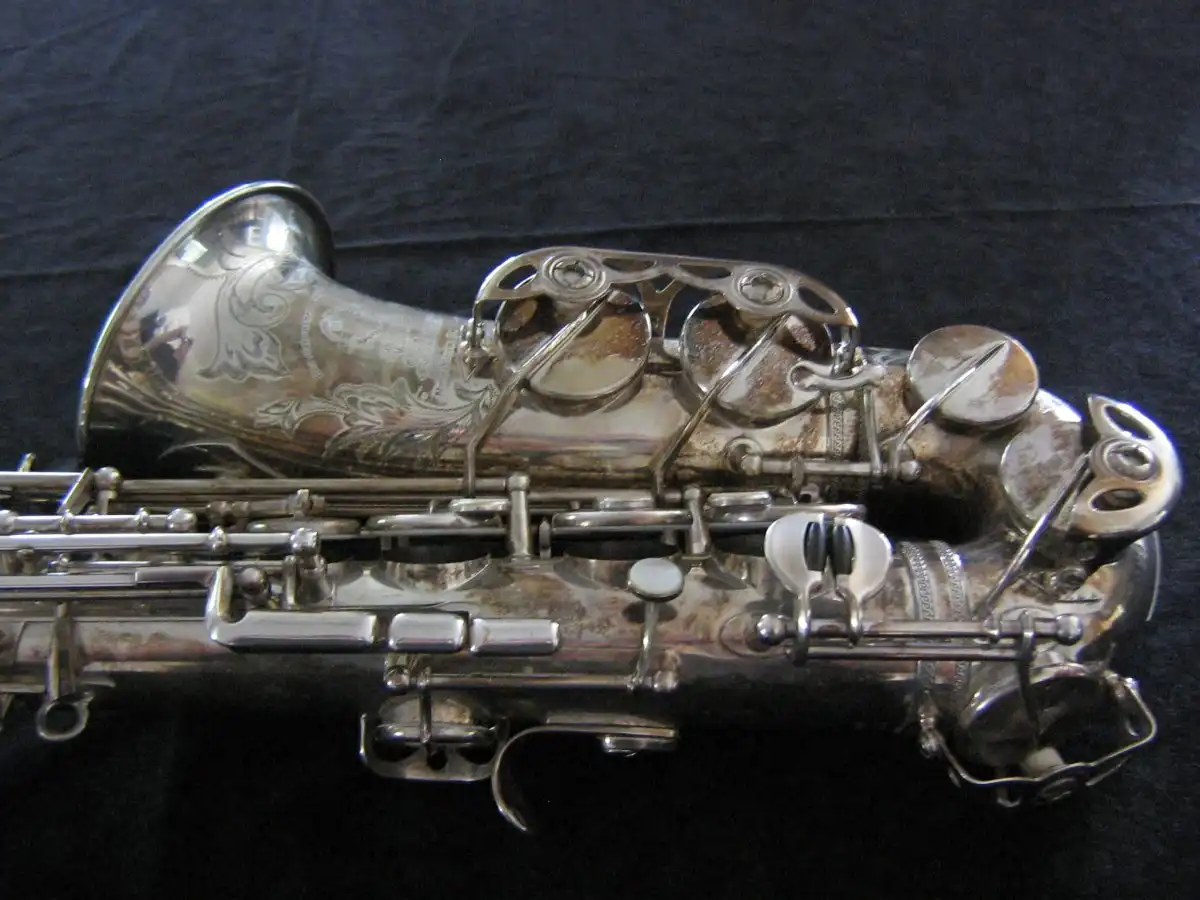
1666718372713.webp
1666718399948.webp
 
Last edited:
As someone who disassembled a silver True Tone alto by the seat of his pants I have a couple of recommendations.

First, as already mentioned, when taking off all the keys, rods, levers, springs and related parts, do it in order. One good idea I read about is to make some divided trays out of cardboard to organize everything in the same longitudinal order that they came off and need to go back on the sax.

The rectangular compartmented box or tray will thus be laid out like the sax minus the body tubes and visually help you reassemble it. You can also tag the rods with a tag notating the order they go back in because it can get confusing which rods go in which order on the upper stack. Videoing it as you mentioned might also be a very good way to get it right.

As to the needle springs IMHO a better way to protect yourself from them (they don't need protection from you) is to cut some pieces of plastic wire insulation from an old cable and slide them onto the springs. Make them long enough to protect your fingertips from the nasty points which make the job like the ancient bamboo fingernail torture. I can attest to that because I didn't know about the need for doing it until after the disassembly and so suffered a thousand torturous pokes in the quick.l Old electrical cable is perfect. I used a cable stripper to slide the insulation off the cable and the plastic tubettes are alot easier to use than little pieces of cork that can pop off.

Best thing, of Course, is to get Stephen Howard's book and let him guide you. I didn't have it and that was unfortunate.

Good luck, but be aware that in a couple or three years it'll be black again.
 
20221025_144004.webp


20221025_144241.webp


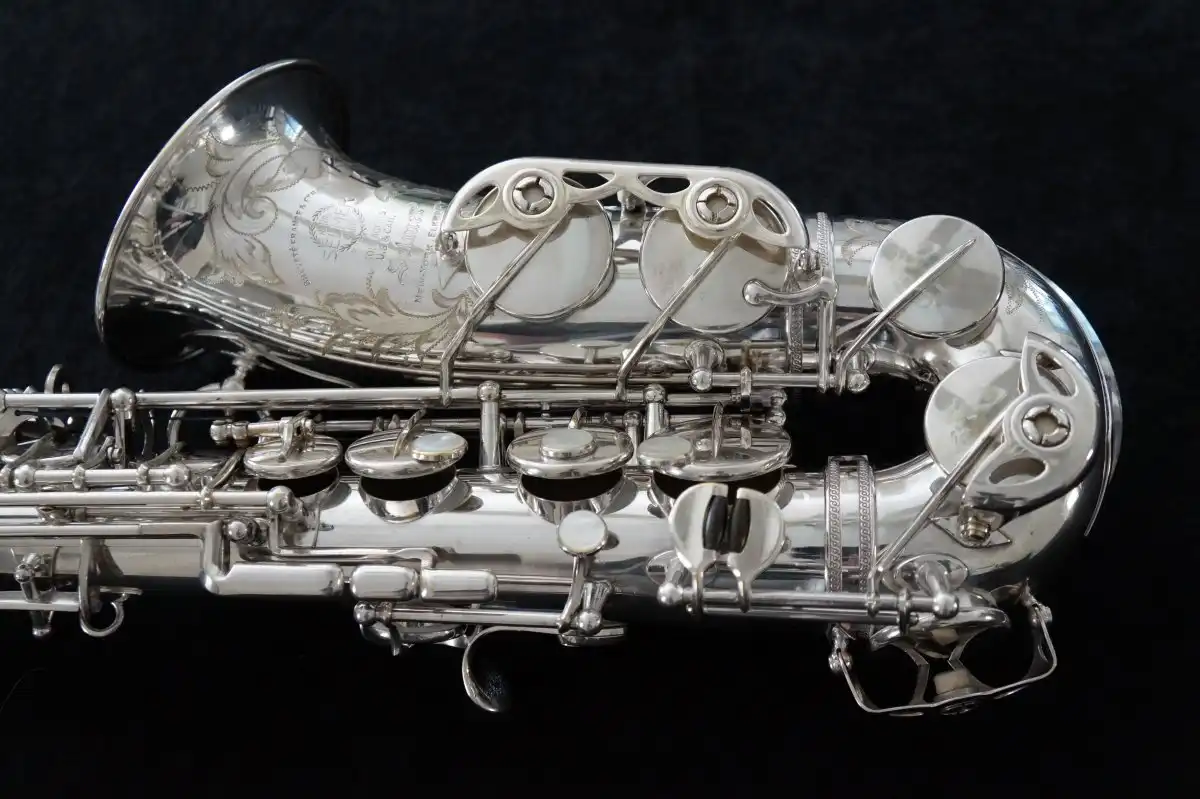
Here is my 'Silver Beauty' in its current state. Not that bad, but bad enough to bother me.
It dates some where between 1928-1932. The gentleman who left it to me got it in 1934/35. He told me that his father purchased it from a pawn shop in Grand Rapids, MI not more than 5 miles from the building where it was made. Not that it matters to anyone other than myself.

I did go over it where I could safely reach this past Spring with some Wrights Silver Cream that I use for jewelry. Since the finish is matte with only the cartuche, keys, and inside the bell in polished silver, it didn't do a very good job. I know the matte will never be shiny but it should be bright after a thorough 'deep clean'.
 
Can he wipe down the sax with silver cloth once a month after the full tear-down and cleaning to keep it looking nice?

It helps to quote the person that you are asking a question.

If you are asking about the general upkeep of a silver instrument after a thorough polish, sure. I just touch up the areas that are easy to access and wipe off spit drips when I see them. I do like to shine the interior of the bell as it adds to the horn's flash when playing under stage lights.
 
I know the matte will never be shiny but it should be bright after a thorough 'deep clean'.

I have seen some matte silver plated saxophones from that time period with polished accents on the bell and the bands around the bow and tenon area. I can see that your Beauty is polished on the bells name shield area in this fassion, It is a nice look.
 
There are a couple of "old fashioned" ways to clean and polish bead blasted silver instruments. One is to use a brush with a baking soda paste. It takes a lot of "elbow grease" but works quite well. Another is to use a soft brass "scratch brush wheel" under power and a soap solution. I have done the latter, and it makes quite a mess if you are not careful. 😉
 
I've heard about the baking soda paste and was considering that method. That was after I gave the body a nice long bubble bath with Dawn dishsoap. I'm sure just getting off the surface grime will make the job go a bit easier. We'll, maybe a bit easier.
 
Nice looking York. It looks to be a York made York.
Here’s a thread to give a quick once over.

Also a little bit on history. Date your serial number here too.

You have a very fun project !
 
Nice looking York. It looks to be a York made York.
Here’s a thread to give a quick once over.

Also a little bit on history. Date your serial number here too.

You have a very fun project !

It is a York made York.
I did check out The York Loyalist to get a rough idea on when it was made. I also had to take into consideration the year it was purchased (1934/35) for the sweet old man who left it to me. I had to estimate it at somewhere between 1928-1932.
According to old interviews with some of the York employees the serial numbers can be deceiving as some of the saxophone makers/assemblers were rumored to have had their own personal set of numbers. The York history as far as saxophone production is a lot of hit or miss. So many of the company records have been 'lost' or destroyed.
Good to know you know what you have. That’s going to be an enjoyable alto. Some of the early years are really interesting to sort out the origin. I’d like to have a York C Melody. A York C by Evette & Schaeffer would be interesting also.
 

Similar threads... or are they? Maybe not but they could be worth reading anyway 😀

Social

New! Social Feeds

Look out for the navigation icon:

Follow CafeSaxophone

Latest Song of the Month

Trending

Forum statistics

Topics
32,073
Messages
578,613
Members
8,133
Latest member
walthang
Back
Top Bottom