Tech/maintenance Small Bench Grinder from Screwfix any good for sax repairs

Just a small one - a jeweller's or bench anvil. Around an inch wide and two inches long on the face. Should fit in the palm of a hand, just. In the meantime, stick an upturned hammer in the vice and use the face as an anvil.
Oh, and you'll need a vice. Get one with four inch jaws.
I've got a lovely York 100A vice (built-in pipe grip - handy for dent bars. The standard 100 vice doesn't have this.)...which was/is a Czech brand that a rep stole and remarketed as the all-American Wilton. It's a very nice vice - and they pop up on ebay at good prices occassionally (and often at silly prices). Failing that get an old Record vice (better off with an old one). Most importantly, get a vice with a swivel base.


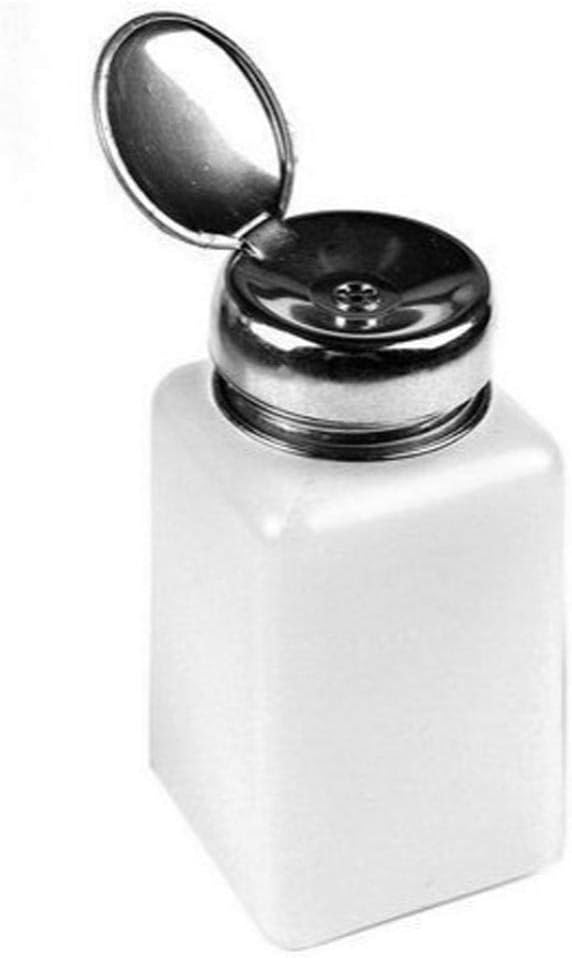
Looking at a Naphtha dispenser any ideas?

Cheers
 
Looking at a Naphtha dispenser any ideas?

Cheers
Why?

Are you talking about lighter fluid ("Ronsonol")? Why wouldn't you just dispense it from the little bottle it comes in? Personally I don't use the stuff in sax repair, but I do use both isopropyl alcohol and (carefully) acetone. I've never seen any need to decant them from the bottles they come in.

Don't buy stuff for the sake of buying stuff.
Got 90%+ isopropyl use for detailing my car :thumb::thumb:
 
Why?

Are you talking about lighter fluid ("Ronsonol")? Why wouldn't you just dispense it from the little bottle it comes in? Personally I don't use the stuff in sax repair, but I do use both isopropyl alcohol and (carefully) acetone. I've never seen any need to decant them from the bottles they come in.

Don't buy stuff for the sake of buying stuff.
I just squish it out of the tin.
 
I don't have the HD sax repair stuff. My bench was carpenters bench. Some wood is harder than brass. I could use most of the sax tools and machines on my carpenter bench.

The first tools I bought/had was some good screwdrivers, spring hooks, pliers, blowpipe, alcohol lamp, files. sliding vernier caliper, bench anvil, bench plug, pad iron, leak light ...... . The few machines I had came later.

I used shellac. Ferree's white standard felts (bumpers and key felt). Cork; tube corks (for necks) and different sheet corks. Ferree's B43 (.160"/4 mm) and B44 (.185"/4,7 mm) pads that I bought in mm even if most of my saxes were constructed in ".

I relized early that sax repair wasn't my thing. But it was interseting to dig into the sax repair world. And I did most service on my own saxes. The first repair job I did was the re-cork a sax neck. I used contact glue and some kind of compressed sheet cork (in the style that was on DDR and CZ saxes in the 70's.). After that I used real cork and shellac.
 
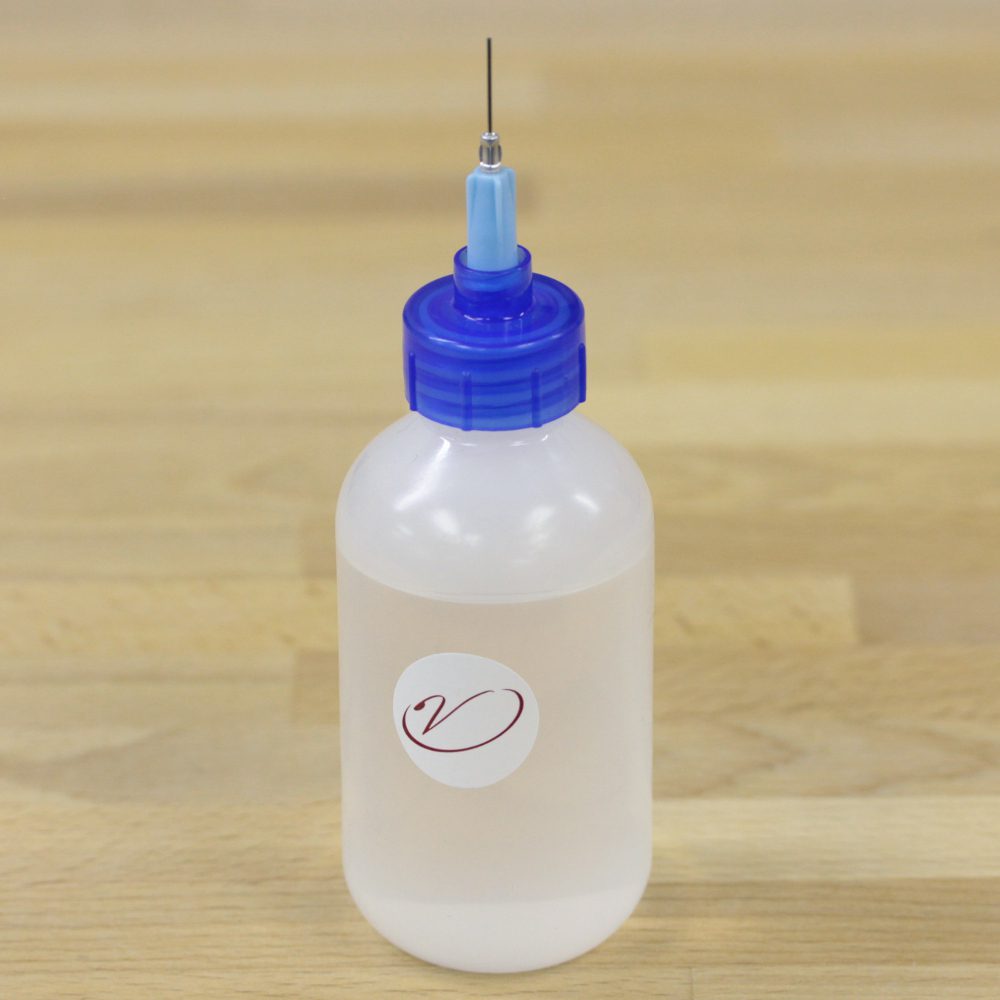
This is the type of pump dispenser I use for alcohol on my bench. It comes in handy when moistening a piece of paper towel or a Q-tip (cotton bud). I know some techs that use these for naptha as well. When I need to take the alcohol to the part, I use a needle container.

51ePrCS-tKL._AC_SL1071_.jpg
valentino-4-thin-bench-oil-2-oz.jpg
 
Last edited:
This is the type of pump dispenser I use for alcohol on my bench. It comes in handy when moistening a piece of paper towel or a Q-tip (cotton bud). I know some techs that use these for naptha as well.

51ePrCS-tKL._AC_SL1071_.jpg
Thanks for that as I had saved this type of dispenser on ebay. The ones on ebay are plastic esd alcohol looks like your pic.
Help appreciated
 
Hi @jbtsax Do you have a detailed run down how to delacquer a horn using your 3m abrasive pads /deremel wheels?
If its a topic that's been done before please can you point me to thread.
thanks
You can eventually "cut through" most lacquer finishes by "bearing down" on the abrasive wheel to get to the bare brass but it takes a while and removes more metal. On all of the saxes I have given a "brushed finish" I have removed the lacquer first and then used the abrasives lightly to give the brushed effect. In the U.S., Aircraft Paint Remover works on most epoxy lacquers. On old Selmers with nitrocellulose lacquer, I used very hot water. A tech I know reports that he removes lacquer using "soda blasting" which sounds interesting.
 
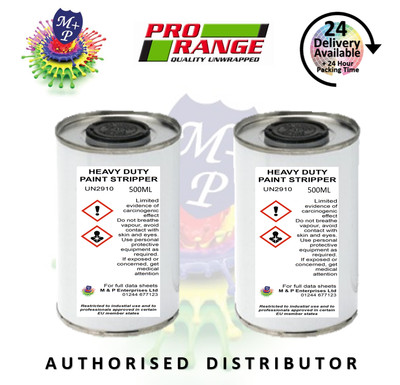
Just look for a paint stripper that contains dichloromethane. You can find some on ebay.
It's largely banned for home use but still available for (ahem) industrial applications. It's the old-style paint stripper....you know, the one that actually works (and burns your hand if you get a splash on it and don't notice for a while).
Would this do?
 
Yep, that's the stuff.
Make sure you wear safety goggles - and it's probably best to use the stuff outdoors if you can, or at least ensure the room you're in is very well ventilated. Just common-sense stuff.
 
From my limited experience I have found that having a dedicated area and bench to work on is the first and most important thing to get sorted unless you live alone and can start doing your repairs anywhere you like
 
From my limited experience I have found that having a dedicated area and bench to work on is the first and most important thing to get sorted unless you live alone and can start doing your repairs anywhere you like
I hear you. Looking at either buying one or building one. I have some plans for a wooden workbench. Going to start with the overhaul by doing the sax neck only. Remove old neck cork strip lacquer. Scotch pad brushed finish. Then recork neck.
 
I hear you. Looking at either buying one or building one. I have some plans for a wooden workbench. Going to start with the overhaul by doing the sax neck only. Remove old neck cork strip lacquer. Scotch pad brushed finish. Then recork neck.
Having done this a couple of times I can say the finish looks great but one of the drawbacks is that that there will be a strong brassy smell all the time that might be reduced by a wax coating but I have not tried this, best of luck with your adventure
 

Similar threads... or are they? Maybe not but they could be worth reading anyway 😀

Social

New! Social Feeds

Look out for the navigation icon:

Follow CafeSaxophone

Latest Song of the Month

Trending

Forum statistics

Topics
32,080
Messages
578,745
Members
8,136
Latest member
peterdehelegrote
Back
Top Bottom