



 acebook
 (bottom of page)

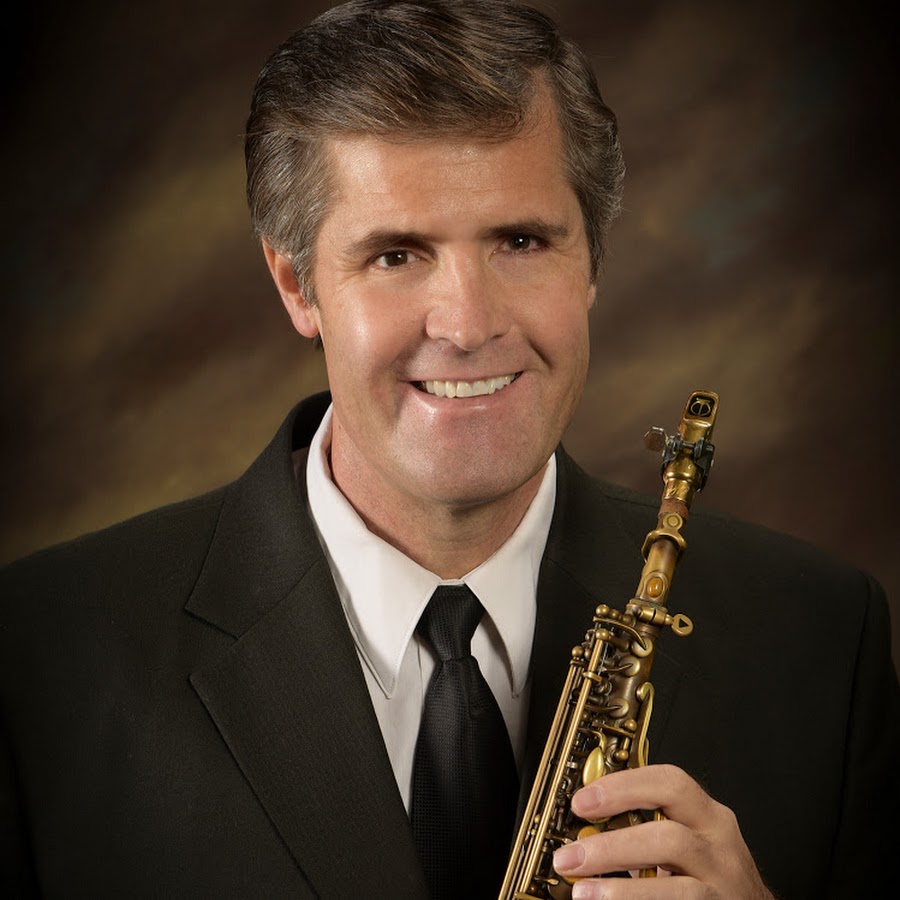
Mark Watkins - I heard about him on the Everything Saxophone Podcast - has a series of videos you won't want to watch at breakfast, as I'm doing now. They are video recordings made inside people's mouths.
Book blurb: "With a doctorate in five woodwind instruments and decades as both a performer and a teacher, Dr. Mark Watkins has long been interested in the production of sound."
He took a number of videos of the mouths of saxophone players in action, showing palate, tongue . Although at my early level of sax education (see what I did there?) a lot of it is way too advanced, there is a lot about sound production and articulation that rubs off, even as a beginner. Articulation exercises, for example, looks like something anyone can practice. I'm posting this because the number of subscribers and views are very low, suggesting many of you haven't seen them.
The podcast episode link above is an extended interview with Ben Britton, who explains how he worked on his sound production at length and recommends the book, a $50 tome. Britton studied with or met Watkins and has studied the book. Again, not something the beginner would want, probably, but the concepts are sound and if even a little rubs off, that's a good thing.
The podcast has proved to be very interesting and you do not need to have a special app to listen to the episodes. You can hear them on the web on any browser.
 www.youtube.com
Book blurb: "With a doctorate in five woodwind instruments and decades as both a performer and a teacher, Dr. Mark Watkins has long been interested in the production of sound."
He took a number of videos of the mouths of saxophone players in action, showing palate, tongue . Although at my early level of sax education (see what I did there?) a lot of it is way too advanced, there is a lot about sound production and articulation that rubs off, even as a beginner. Articulation exercises, for example, looks like something anyone can practice. I'm posting this because the number of subscribers and views are very low, suggesting many of you haven't seen them.
The podcast episode link above is an extended interview with Ben Britton, who explains how he worked on his sound production at length and recommends the book, a $50 tome. Britton studied with or met Watkins and has studied the book. Again, not something the beginner would want, probably, but the concepts are sound and if even a little rubs off, that's a good thing.
The podcast has proved to be very interesting and you do not need to have a special app to listen to the episodes. You can hear them on the web on any browser.
Mark Watkins
Welcome! This channel holds the video intended to accompany Dr. Watkins' book, From the Inside Out: An In-Depth Resource for the Development of Saxophone Sou...
www.youtube.com


